
Laboratory Equipment and Instrumentation Appraisal for Transactional Due Diligence
Laboratory equipment appraisal for transactional due diligence, covering precision instruments, calibration equipment and clean-room installed assets in a pending transaction. AppraiseItNow inspected a Texas laboratory on site, inventorying primary instruments and ancillary equipment and verifying manufacturer replacement and retirement data against secondary-market sale evidence.
Project Overview
Assignment Summary
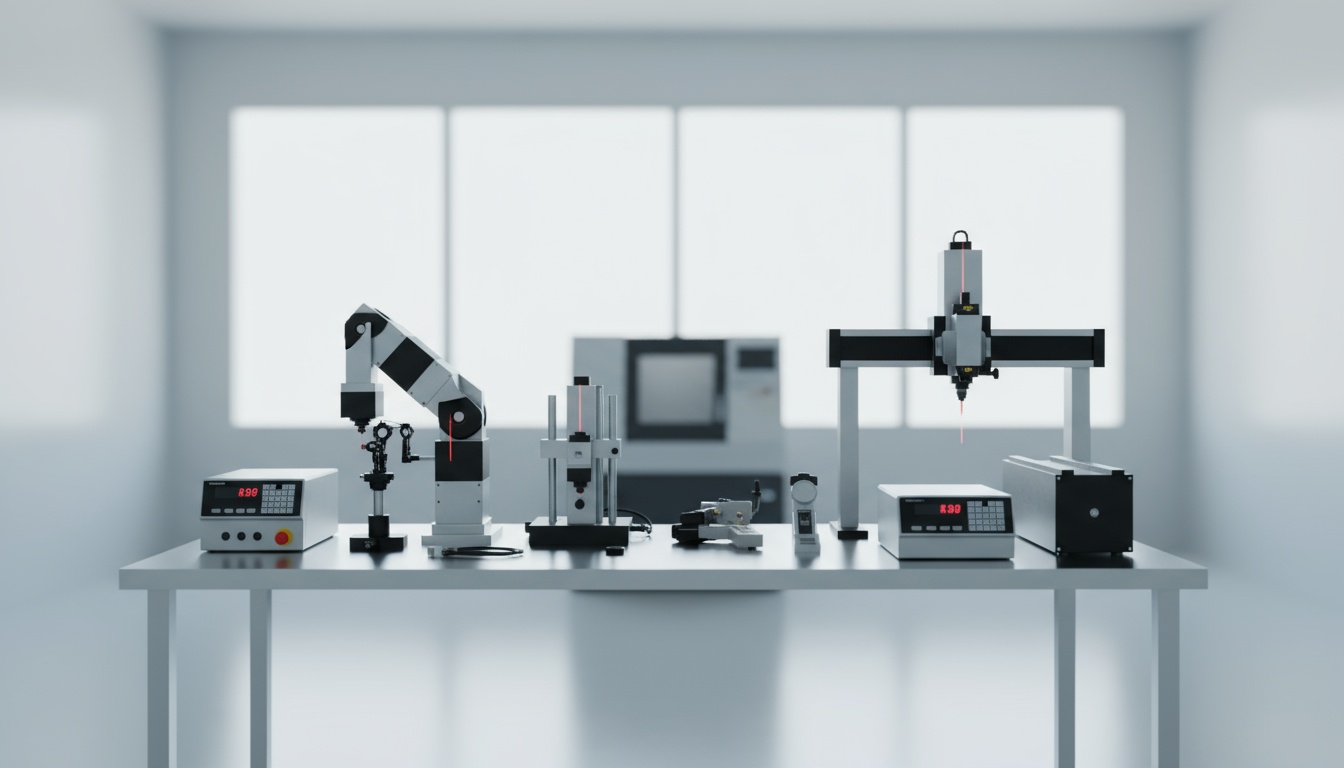
The scope included identification and physical examination of primary laboratory instruments and ancillary equipment, research of the secondary markets for comparable sale transactions, and verification of manufacturer replacement and retirement data. Subject assets consisted primarily of precision instruments operating in clean-room conditions and dedicated to calibration tasks, with major original equipment manufacturers represented among the equipment. The sales comparison approach was used to determine fair market value in accordance with USPAP standards. The intended use was transactional due diligence to support a potential transfer of assets separate from the ongoing business operations.
Challenges
Our Approach
Project Outcome
Ready to start your appraisal?
Tell us the asset and what the value is for, and we will confirm scope, timing, and a fixed fee before any work begins.
Request an AppraisalFrequently Asked Questions
What does a buyer need from an equipment appraisal during due diligence?
A defensible independent figure for the tangible assets, and an understanding of what those assets will need. The value conclusion supports purchase price allocation and financing; the inventory and condition assessment tell the buyer which instruments are near end of support and what replacement capital is coming. A due diligence appraisal that reports only a number leaves half the value of the work on the table.
Why does manufacturer end-of-support matter to instrument value?
Because an instrument the manufacturer no longer services carries risk the market prices. Once calibration support, parts and software updates end, buyers discount heavily even for a fully functional unit. Verifying retirement horizons directly with manufacturers is what turns a guess about remaining useful life into a documented input.
Are clean-room installed instruments valued in place or removed?
It depends on the transaction. If the buyer is acquiring the facility and continuing operations, value in place is appropriate and captures the installation, validation and calibration state. If the assets will be relocated, removed value applies and decontamination, rigging, revalidation and requalification costs come out of it. The premise is agreed before fieldwork, because it changes the conclusion materially.
Why inspect on site when so much equipment work is done remotely?
Because condition, configuration and actual presence are the three things a photograph cannot settle for a laboratory. On-site work confirms what is installed, what is operating, what has been cannibalized and what is sitting unused, and it is what allows an inventory to be relied on in a transaction. For due diligence, that verification is usually worth the cost.