
Kitchen Cabinetry Appraisal for Charitable Donation Tax Filing
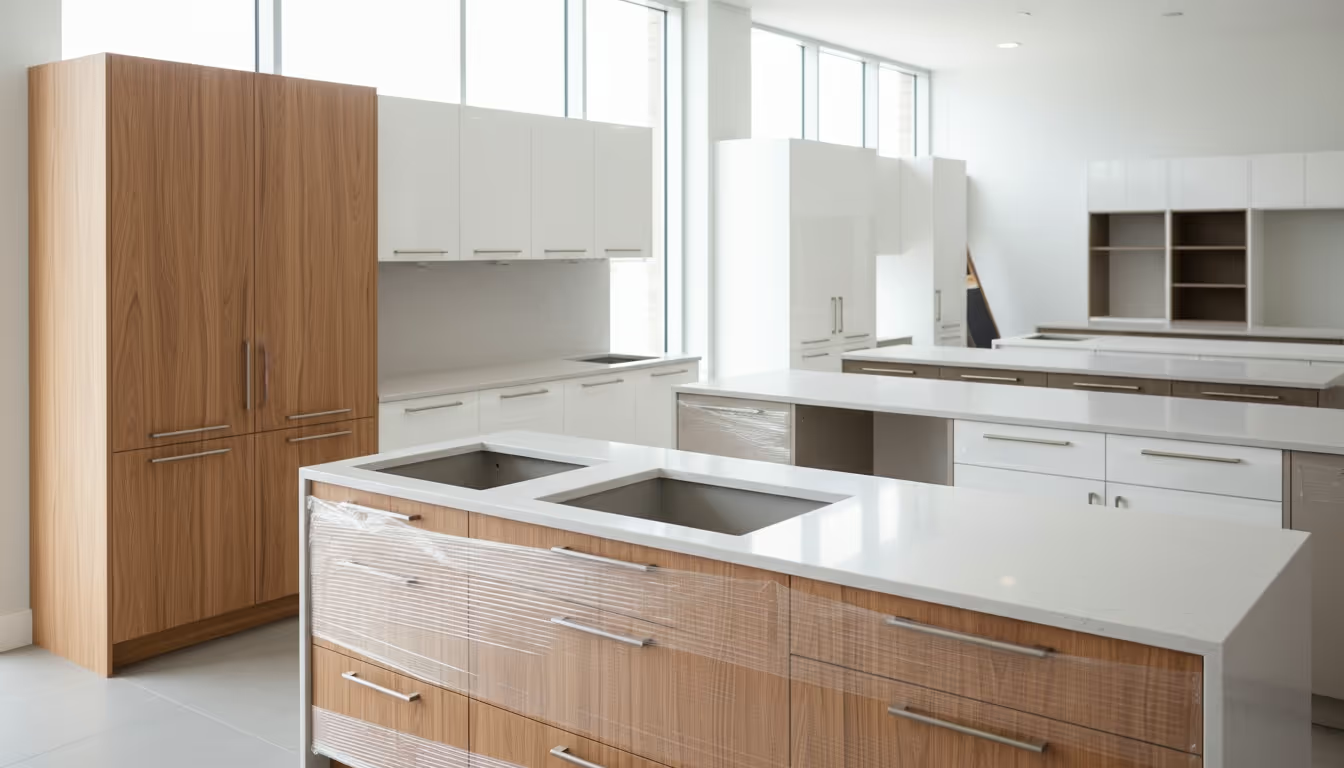
Kitchen cabinetry appraisal for charitable donation substantiation, covering pantry, wall, base, sink, oven and drawer units donated as new or boxed material. AppraiseItNow appraised a Florida donation of kitchen cabinetry from design renderings and photographs, matching cabinet types and counts to comparable retail and resale transactions.
Project Overview
Assignment Summary
The scope included identifying and describing the cabinetry from client-provided renderings and images, researching market data for comparable cabinets and finished kitchen components, and applying an appropriate valuation method to reach a fair market value opinion. The subject inventory consisted of various cabinet types including pantry, wall, base, sink, oven, and drawer units with condition notes reflecting largely new, boxed material where evident. The sales comparison approach served as the primary valuation method because comparable retail and resale transactions provided the best evidence for market value. The appraisal was prepared to meet IRS substantiation requirements for non-cash charitable contributions and to be used by the donor in completing required tax documentation.
Challenges
Our Approach
Project Outcome
Ready to start your appraisal?
Tell us the asset and what the value is for, and we will confirm scope, timing, and a fixed fee before any work begins.
Request an AppraisalFrequently Asked Questions
Can cabinetry be appraised from design renderings instead of the actual units?
It can, under stated assumptions, and renderings are often all that exists when cabinets are donated straight from a cancelled project. Renderings establish cabinet types, configurations and approximate counts but not dimensions or finish quality. The appraisal states that counts and types were taken from the renderings and identifies that as an extraordinary assumption.
Does donated cabinetry get valued at the price of a new kitchen?
No. A new kitchen price includes design, delivery, installation and the retailer's margin, none of which transfer with a donation of boxed cabinet boxes. The relevant market is the one where surplus and reclaimed cabinetry sells, typically building reuse centers and contractor resale, and that market prices a long way below installed retail.
How much does missing dimension information affect the conclusion?
Meaningfully, because cabinetry is priced by size and configuration. A 36-inch base cabinet and a 24-inch one look identical in a rendering and do not cost the same. Where dimensions are unavailable, the analysis works from standard sizing for the cabinet types shown and concludes conservatively, with the limitation disclosed.
Does new, still-boxed material change which market applies?
It raises the value within the reclaimed market but does not move the donation into the retail market. Boxed, undamaged cabinetry sells at the top of the surplus range because the buyer takes no condition risk. The report notes the boxed condition where it was evident from the images and reflects it in the conclusion.