
Estate Tax Appraisal of a 2016 Honda Hatchback
Honda Fit appraisal for estate tax reporting, covering late-model subcompacts, documented accident history, and vehicles reported on IRS Form 706. AppraiseItNow appraised a 2016 Honda Fit EX in a California estate, selecting comparables with similar mileage and accident histories so the effect of a repaired front-end collision was measured rather than assumed.
Project Overview
Assignment Summary
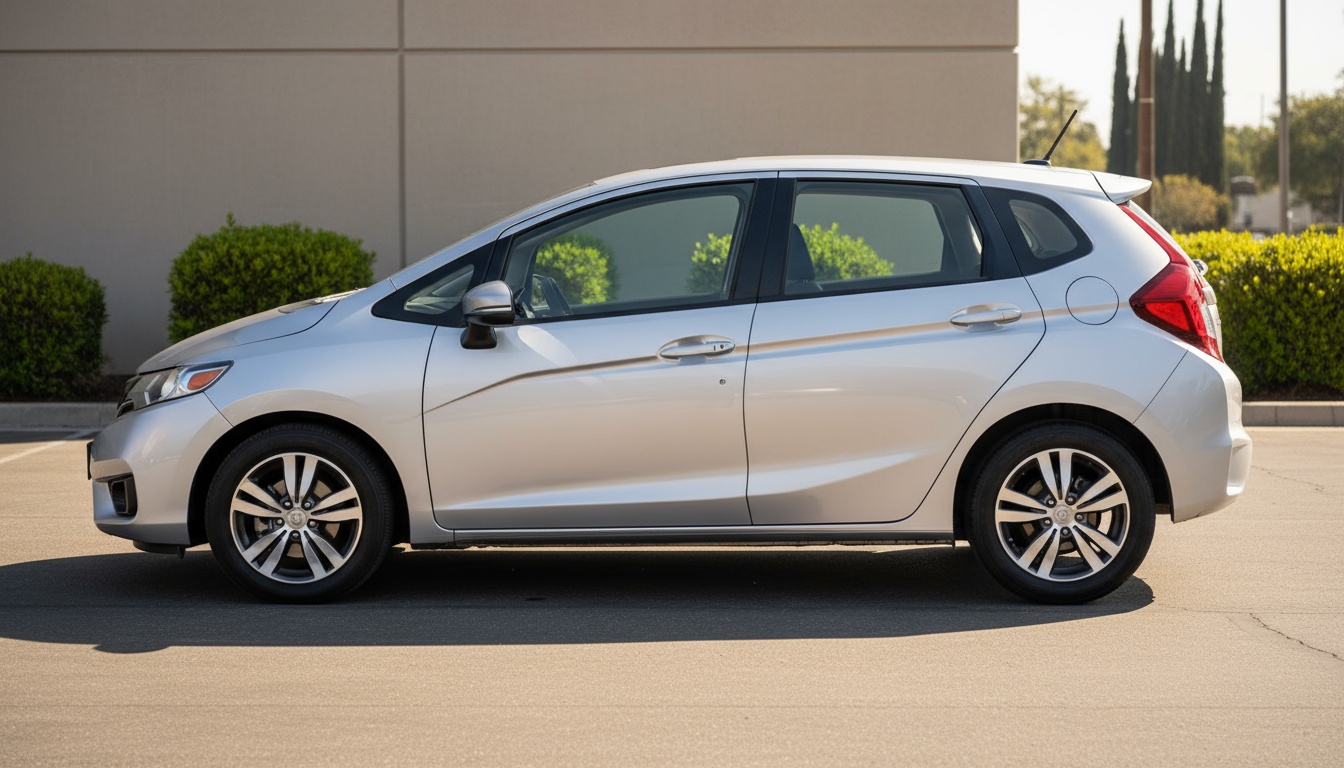
The scope included identification and examination of the subject vehicle via provided photographs and supporting documents, selection of comparable market data, and preparation of an Appraisal Report for estate tax purposes. The assignment followed USPAP and IRS definitions of fair market value and was intended for use by the estate executor, attorneys, accountants, and the Internal Revenue Service. The vehicle is a subcompact hatchback with a four-cylinder engine, continuously variable transmission, common convenience features, and a documented prior front-end collision that was reported to have been professionally repaired. The market comparison approach was used because it best addressed the estate tax valuation objective for this asset.
Challenges
Our Approach
Project Outcome
Ready to start your appraisal?
Tell us the asset and what the value is for, and we will confirm scope, timing, and a fixed fee before any work begins.
Request an AppraisalFrequently Asked Questions
Does a car need a formal appraisal for an estate?
It depends on the value and the situation. Executors often rely on published guide values for ordinary vehicles, but a guide figure describes a clean example and says nothing about a specific car's condition or history. Where a vehicle has damage history, unusual mileage, or where beneficiaries disagree about a division, a documented appraisal is what makes the reported figure defensible.
How does a repaired accident affect a vehicle's estate value?
Reported accident history depresses resale value even after professional repair, because buyers discount for it and history reports make it visible. The size of the discount is market evidence, not a formula, so the analysis includes comparables that also carry documented accidents. That way the effect is measured from what buyers actually paid rather than applied as a flat percentage.
Who are the intended users of an estate vehicle appraisal?
The executor, the estate's attorneys and accountants, and the IRS. Naming them matters because it sets the scope of work and the reporting level. A report written for an insurance claim or a private sale answers a different question, and reusing it on a Form 706 filing invites exactly the challenge the appraisal was meant to prevent.
Can a vehicle be appraised from photographs after it has been sold?
Yes. A retrospective appraisal establishes value as of the date of death using information available at that time, working from photographs, service records and the vehicle's documented specification. It requires stated extraordinary assumptions about condition, and the report explains what was assumed. This is a common situation in estates, where assets are often disposed of before the tax work begins.