
Estate Tax Appraisal: Diversified Gold Coin Collection
Gold coin collection appraisal for estate tax reporting, covering modern bullion issues, historic gold coinage, and multi-mint holdings valued as of the date of death. AppraiseItNow appraised a Florida estate's diversified gold collection from inventory records and images, deriving market indicators for each issue type from recent dealer and marketplace transactions.
Project Overview
Assignment Summary
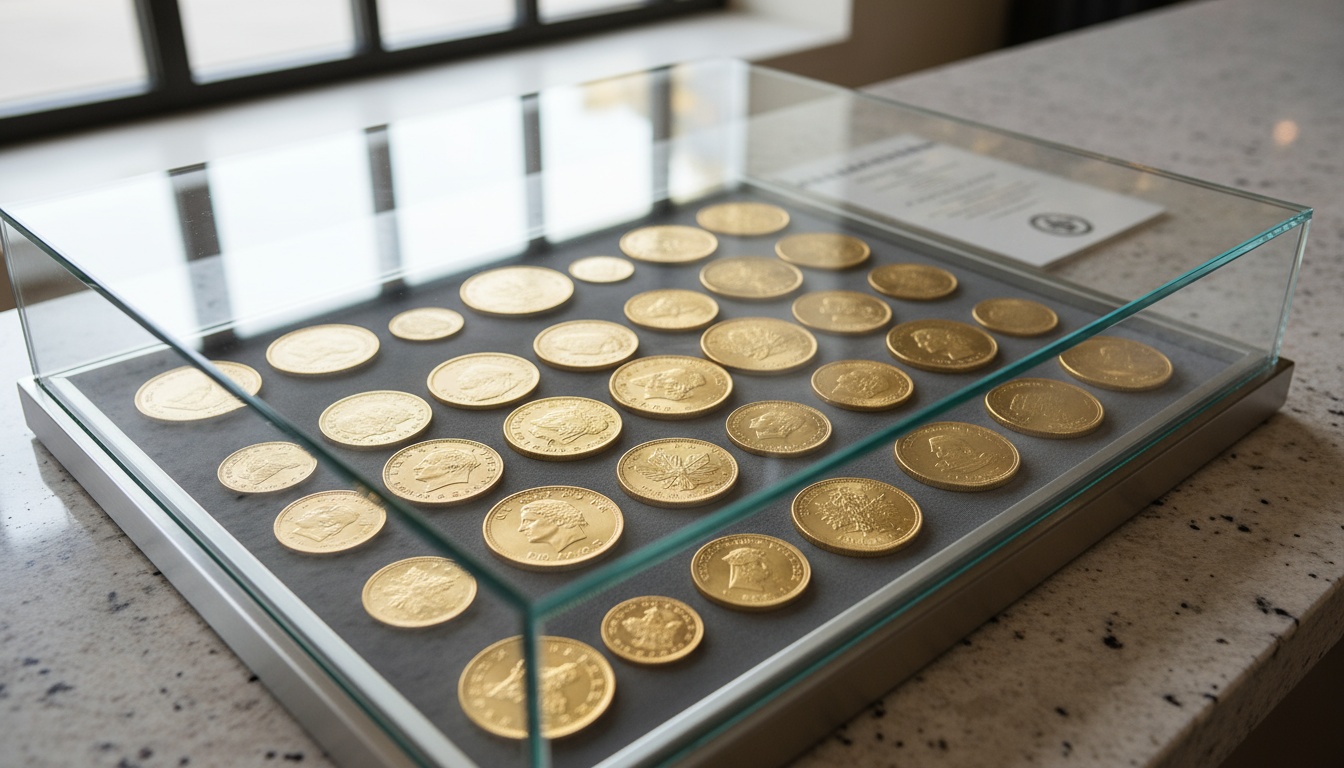
The scope of work covered identification and examination of the collection based on client-provided images and inventory information, market research for comparable sales, and analysis to determine fair market value for estate tax purposes. Subject assets consisted of a diversified group of modern bullion coins and historic gold issues from several well-known mints and manufacturers. The appraisal was prepared in accordance with the Uniform Standards of Professional Appraisal Practice and applicable tax valuation principles for estate reporting. The intended use was strictly estate tax reporting, and the report was delivered with supporting comparables, photographic documentation, and a written narrative suitable for submission with estate tax filings.
Challenges
Our Approach
Project Outcome
Ready to start your appraisal?
Tell us the asset and what the value is for, and we will confirm scope, timing, and a fixed fee before any work begins.
Request an AppraisalFrequently Asked Questions
What date is used to value coins for estate tax purposes?
The date of the decedent's death, unless the estate elects the alternate valuation date six months later. That election applies to the entire estate rather than to selected assets, and it is only available if it reduces both the gross estate and the estate tax due. For a volatile asset like gold, the choice can move the figure meaningfully, which is why the appraisal states its effective date prominently.
How are numismatic coins valued differently from bullion issues?
Bullion coins track metal content plus a market premium; numismatic coins are priced by rarity, date, mint mark and grade, and a single grade point can change value by multiples. A mixed collection has to be sorted before it is valued, because applying bullion logic to a scarce historic issue understates it and applying numismatic logic to a common bullion coin overstates it.
Does an estate need coins professionally graded before appraisal?
Not always, but grading is worth considering for high-value numismatic pieces where the difference between adjacent grades is large. For bullion and common issues it usually costs more than it adds. Where coins are ungraded, the appraisal describes apparent condition, states that grading was not independently certified, and reflects that uncertainty in the conclusion.
Why does the executor need an independent appraisal rather than a dealer quote?
Because a dealer quote is an offer to buy, not an opinion of fair market value, and the dealer has an interest in the number. Form 706 asks for fair market value supported by the kind of documentation an examiner can test. An independent appraiser has no position in the property and is required to disclose the basis for the conclusion, which is what makes the figure defensible.