
Classic Pickup Truck Appraisal for Insurance Claim Resolution
Classic pickup truck appraisal for insurance claim support, covering vintage and collector trucks, factory option verification, and condition-adjusted market value. AppraiseItNow appraised an Illinois classic pickup for a claim, researching comparable listings and sales across multiple collector channels to document a value the owner could put in front of the carrier.
Project Overview
Assignment Summary
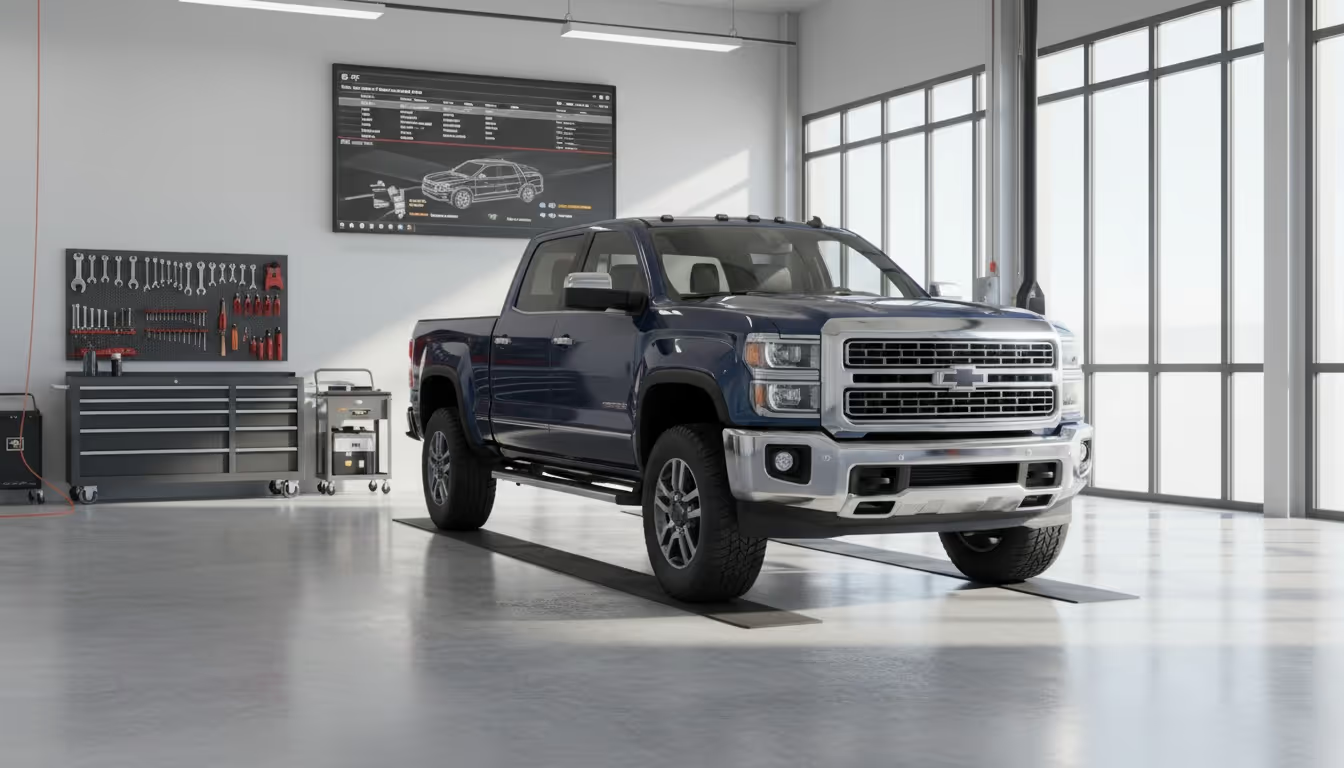
The assignment focused on determining the fair market value of a pickup truck for insurance claim purposes. The scope included identifying the vehicle specifications from provided photographs, conducting extensive comparable market research, and analyzing data to reach a well-supported value conclusion. The appraisal was prepared in accordance with USPAP standards using the Appraisal Report option, with careful documentation of all assumptions and limiting conditions. The intended use was strictly limited to submission and review by the vehicle owner, their representatives, and the insurance company in support of the claim.
Challenges
Our Approach
Project Outcome
Ready to start your appraisal?
Tell us the asset and what the value is for, and we will confirm scope, timing, and a fixed fee before any work begins.
Request an AppraisalFrequently Asked Questions
Why do carriers and owners disagree on the value of a classic truck?
Because standard valuation tools are built for late-model vehicles. Book systems and total-loss valuation software price by year, make, model and mileage, which describes a modern truck adequately and a restored classic barely at all. Originality, drivetrain correctness, quality of restoration and desirability of the configuration drive collector pricing, and none of those appear in a book value. An independent appraisal puts that evidence on the table.
What is actual cash value on a classic vehicle claim?
Actual cash value is what the vehicle was worth immediately before the loss in its actual condition, which for a collector truck means its condition-adjusted market value rather than a depreciated replacement cost. Policies differ: an agreed value or stated value policy fixes the figure in advance, while an actual cash value policy leaves it to be determined after the loss. The policy language decides which fight the appraisal is supporting.
How are comparables selected when no identical truck is for sale?
By widening the search across collector marketplaces and auction records, then adjusting for the differences that this market actually prices: engine and transmission configuration, originality of the drivetrain, body and paint condition, interior completeness and desirable factory options. Each adjustment is shown separately. A narrow search that finds nothing is not evidence of no market; it is evidence the search was too narrow.
What should an owner document before filing a claim on a collector vehicle?
Photographs from every angle taken before the loss, receipts for restoration and parts, any prior appraisals, service records, and documentation of originality such as build sheets or casting numbers. Owners rarely have all of it. What exists should be gathered before the claim rather than assembled under deadline, because the same evidence is what an appraiser needs to support a higher figure.