
Charitable Donation Appraisal for Reclaimed Steel Building Materials
Reclaimed steel building appraisal for charitable donation substantiation, covering metal roof and wall panels, structural subfloor, and the fire suppression, alarm and electrical systems that come with a dismantled structure. AppraiseItNow appraised a Texas donation of reclaimed prefabricated steel building components, combining auction results with direct outreach to metal building suppliers on secondary demand.
Project Overview
Assignment Summary
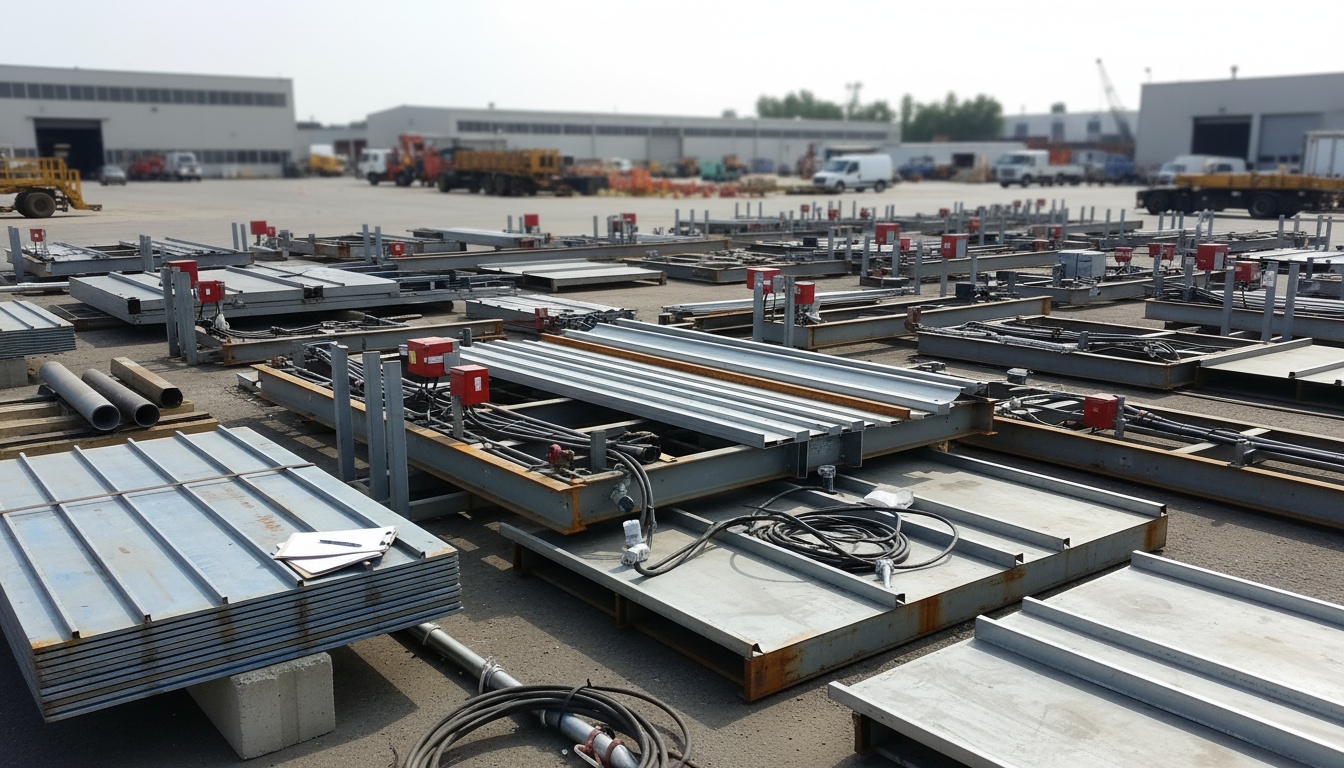
The scope of work included examination of client-supplied photographic documentation and specification materials, comprehensive market research into recent auction results and current listings, and industry outreach to prefabricated steel building suppliers. The subject assets comprised reclaimed building components including metal roof and wall panels, a metal subfloor, and additional systems such as fire suppression, alarm, and electrical components. The appraisal was performed in conformance with USPAP and relevant IRS regulations governing non-cash charitable contributions. The intended use was limited to substantiating a charitable donation appraisal for the donation and preparing the necessary tax reporting documentation.
Challenges
Our Approach
Project Outcome
Ready to start your appraisal?
Tell us the asset and what the value is for, and we will confirm scope, timing, and a fixed fee before any work begins.
Request an AppraisalFrequently Asked Questions
Why is a used steel building worth less than the sum of its components?
Because a buyer has to pay to make it usable again. Transport, reassembly, replacement of missing hardware and modification to fit a different site all come out of what a buyer will offer, and those costs are substantial for a structure measured in tens of thousands of square feet. Secondary market pricing for used building kits reflects that discount, and a component-by-component sum ignores it.
How are comparables found for a custom metal building?
Through auction records for dismantled and surplus kits, current listings for similar systems, and direct conversations with suppliers who see this material trade. No two kits match on span, height and included systems, so the analysis derives per-square-foot indicators from several transactions and adjusts them rather than searching for a twin. Supplier outreach matters here because much of this market never appears in published data.
Do fire suppression and electrical systems add value in a reclaimed building donation?
Sometimes less than expected. Building systems are engineered for a specific structure and code environment, so their reuse value depends on whether a buyer's project can accept them as configured. Where components are standard and in good condition they carry value; where they are custom-fitted or of uncertain code status they contribute little beyond scrap. The report values them explicitly rather than folding them into a blanket figure.
Does a donation of dismantled building materials still count as tangible personal property?
Once a structure is dismantled and the components are stored as materials, they are generally treated as tangible personal property rather than real property, which brings the donation under the tangible personal property rules, including the related use test. That distinction affects the donor's deduction and should be confirmed with their tax advisor, since it turns on facts about the property's status at the time of the gift.