
Charitable Donation Appraisal for Construction Aggregate Material
Construction aggregate appraisal for charitable donation substantiation, covering bulk unprocessed stone, gravel, and fill material valued by the ton or yard. AppraiseItNow appraised a Maine donation of bulk construction aggregate, surveying local supplier pricing and separating material cost from the delivery charges that distort headline quotes.
Project Overview
Assignment Summary
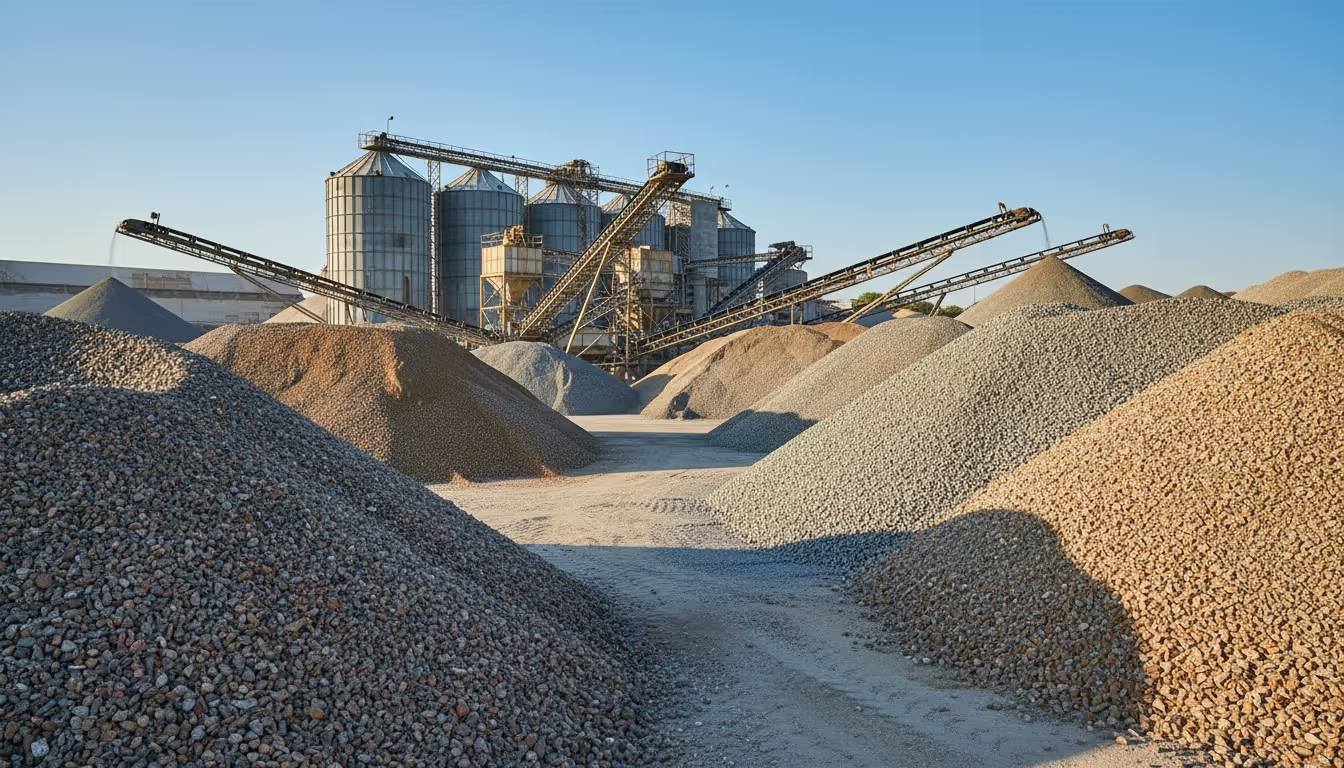
The assignment focused on developing a fair market value conclusion for bulk, unprocessed construction aggregate being donated to a charitable organization. The scope of work included identifying the material characteristics from owner-provided information and imagery, surveying local retail suppliers for current unit pricing, and analyzing comparable data relevant to the market area. The sales comparison approach served as the primary valuation method because it best reflected how this commodity is traded in the retail market. The report was prepared in full conformance with USPAP and relevant IRS guidance for qualified appraisals for charitable donation, including all documentation necessary to assist the client with required tax reporting.
Challenges
Our Approach
Project Outcome
Ready to start your appraisal?
Tell us the asset and what the value is for, and we will confirm scope, timing, and a fixed fee before any work begins.
Request an AppraisalFrequently Asked Questions
How is bulk aggregate valued when every supplier quotes a different price?
By collecting quotes across the local supply area and working to a median material-only figure. Aggregate pricing varies with haul distance, pit location and volume, so any single quote is a poor proxy for the market. We gather pricing from multiple suppliers serving the donation's market area and reconcile them, which produces a supportable per-unit figure rather than one vendor's list price.
Should delivery charges be included in the value of donated stone?
No, when the donation is of the material itself. Delivered pricing bundles freight with product, and freight is a service the donor did not contribute. Because delivery can be a large share of a quoted price for a low-value, high-weight commodity, leaving it in would inflate the conclusion substantially. We back it out explicitly and show the material-only rate used.
Does the location of the material matter for a commodity like gravel?
Very much. Aggregate is the classic case where value is local: the same material is worth different amounts twenty miles apart because hauling costs dominate. The market researched is the one serving the site where the material sits, not a national average, and the report identifies that market area.
How are quantities established for a bulk material donation?
Quantity comes from the donor's records, scale tickets or survey measurements, and the appraisal states which. For material that cannot be weighed, volumetric estimates converted at standard densities are used and the conversion is shown. Because the value conclusion is quantity times rate, an unsupported quantity undermines the whole figure no matter how well researched the rate is.