
Charitable Donation Appraisal: Decorative Brass Sculptures for IRS Substantiation
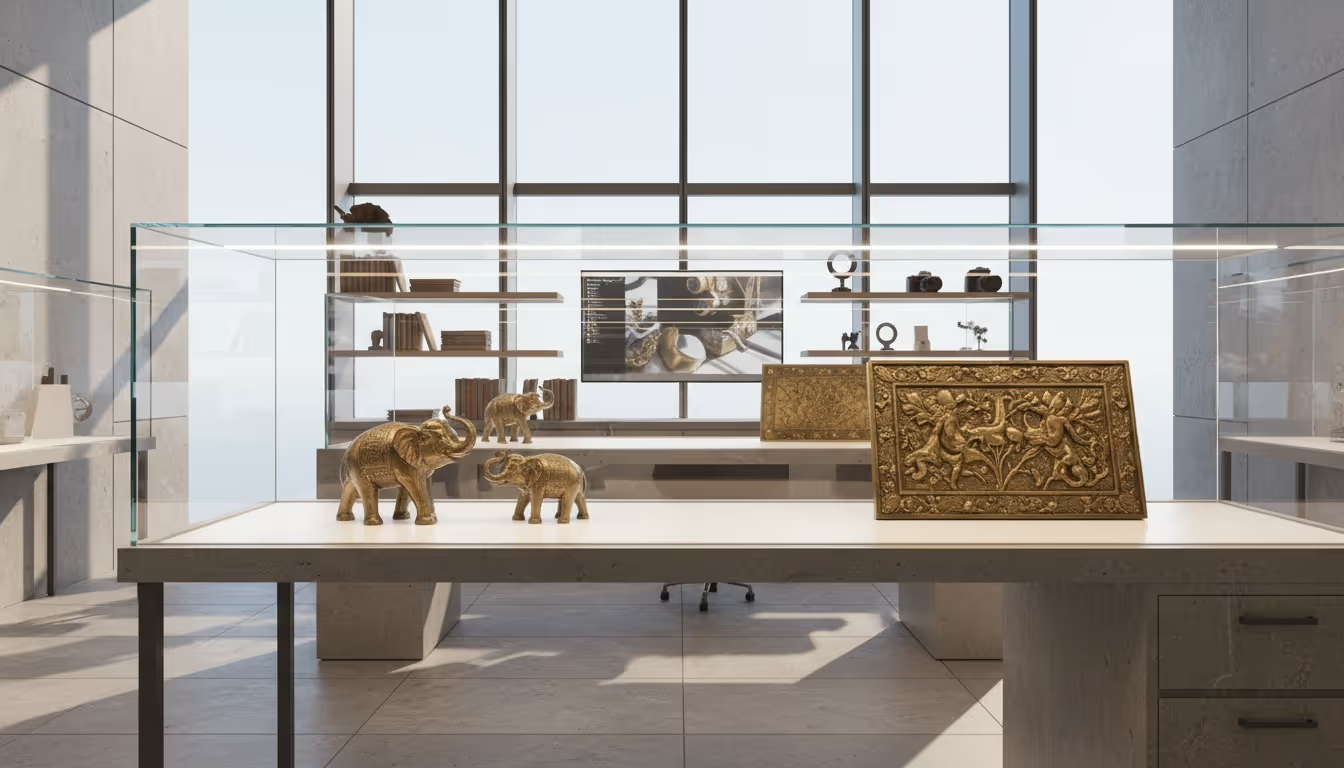
Brass sculpture appraisal for charitable donation substantiation, covering cast figural sculpture, mounted decorative pairs, and large-format relief wall panels. AppraiseItNow appraised a California donation of a matched pair of cast brass elephants on platforms and a high-relief brass wall plaque, building a comparable set from the decorative brass statuary market where such pieces actually resell.
Project Overview
Assignment Summary
The scope of work centered on identifying and describing the personal property items, researching the market for comparable sales, and developing fair market value opinions using the sales comparison approach. The subject assets included a matched pair of cast brass elephant figures mounted on large platforms and a large sculpted high-relief brass wall plaque. The appraisal relied on photographic documentation and client-provided provenance and ownership statements. The intended use was limited to substantiation of a non-cash charitable contribution, with the report prepared for the donor and relevant tax authorities.
Challenges
Our Approach
Project Outcome
Ready to start your appraisal?
Tell us the asset and what the value is for, and we will confirm scope, timing, and a fixed fee before any work begins.
Request an AppraisalFrequently Asked Questions
How is a decorative sculpture valued when no identical piece has ever sold?
By reasoning from the closest analogues and adjusting openly. For unsigned or unattributed decorative work, the comparable set is drawn from pieces of similar material, scale, technique and decorative effect rather than from the same model. Adjustments for size, mounting and condition are stated individually so a reviewer can test each one. A range built this way is more defensible than a single figure presented without its reasoning.
Does a matched pair sell for more than two single pieces?
Usually yes, in the decorative market. Matched pairs are scarcer than singles and buyers pay for the symmetry, so a pair often carries a premium over twice a single's price. That premium disappears if the pieces do not genuinely match in size, patina and casting. We note whether the pair is original to each other, because a made-up pair does not command the same market.
How does mounting affect the value of a cast sculpture?
Platforms, bases and mounts are part of what a buyer receives and part of what they have to move. A large, well-made platform can add real value to a figural piece; an oversized or damaged mount can subtract from it by making the work harder to place and transport. Where the mount is separable, we describe it and value it as part of the lot rather than silently folding it in.
What does the IRS look for in a qualified appraisal of donated art objects?
The regulations call for a detailed description of the property, its physical condition, the date of contribution, the terms of any agreement about use or disposition, the appraiser's qualifications, the valuation method, the specific basis for the valuation, and the appraisal date. Publication 561 sets out the same expectations in plainer language. A report that omits condition or the specific comparables relied on is the kind most likely to be questioned.