
Business Inventory Appraisal for Consigned Quartz Slabs
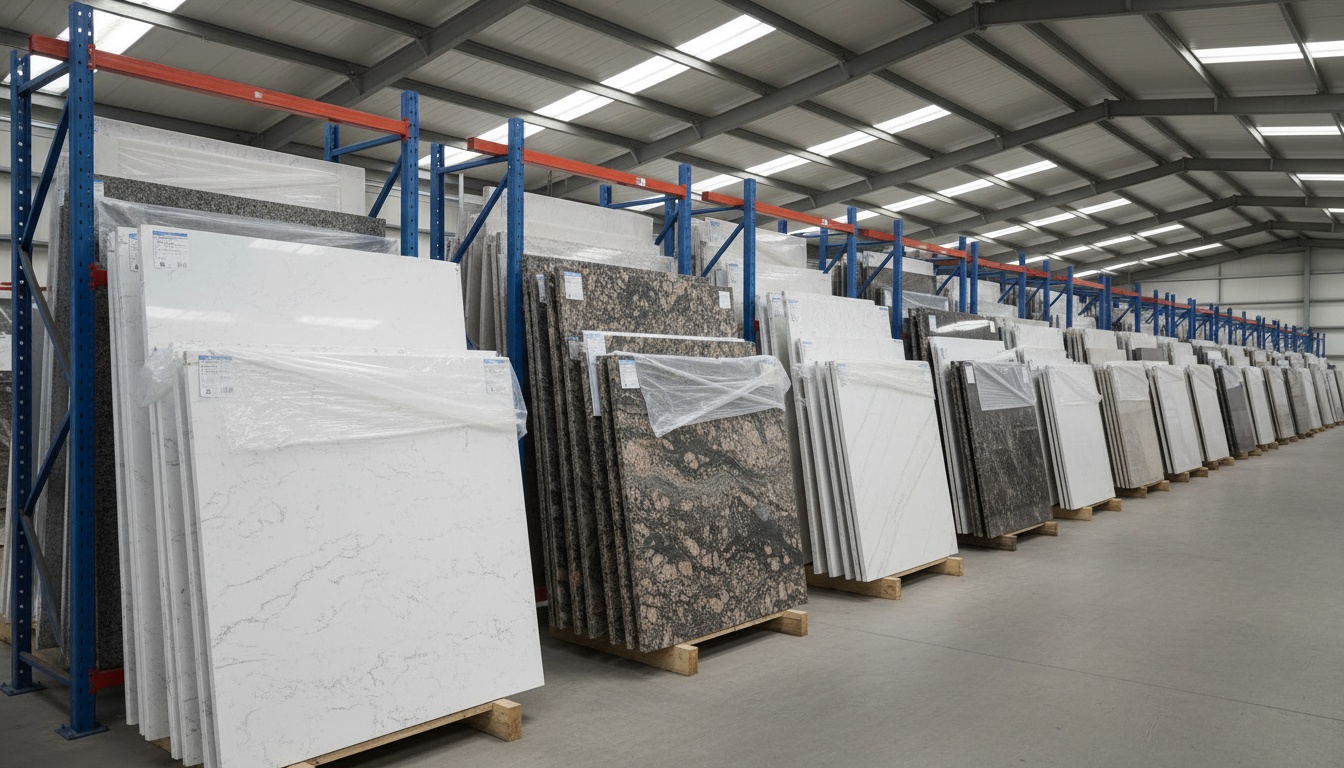
Quartz slab inventory appraisal for loan collateral, covering consigned stone, warehouse stock verification, and eligibility testing for asset-based lending. AppraiseItNow inspected a Georgia storage facility to verify slab counts against purchase and consignment records, then tested reported costs against retail and wholesale countertop pricing.
Project Overview
Assignment Summary
The scope required verification of inventory quantities and reported costs, observation of facility operations and inventory management, and analysis of eligibility, movement, and obsolescence. Work performed included a physical inspection of the storage location to verify presence of the slabs, review of purchase and consignment summaries provided by the parties, and an interview with the on-site representative. The appraiser performed market research on comparable retail and wholesale pricing for quartz countertops and partially developed a Cost Approach to test reported costs. The value premise adopted was Fair Market Value and the intended use was limited to supporting a loan collateral decision by the lender.
Challenges
Our Approach
Project Outcome
Ready to start your appraisal?
Tell us the asset and what the value is for, and we will confirm scope, timing, and a fixed fee before any work begins.
Request an AppraisalFrequently Asked Questions
Can inventory held on consignment be pledged as loan collateral?
Consigned goods are usually the consignor's property until sold, which means a borrower holding them may not own what a lender thinks it is lending against. That is why an inventory appraisal for lending purposes reads the consignment terms rather than the stock count alone. The report identifies which units are owned outright and which sit under consignment, because eligibility for a borrowing base turns on that distinction.
What happens when stock is packed too tightly to count?
The appraiser verifies what can be verified and discloses the rest. Skids of slabs stored covered and pressed together cannot be individually counted without unstacking them, so the observable inventory is compared against purchase and delivery records to test whether the reported totals are reasonable. The report states plainly that a full physical count was not possible and identifies which figures rest on records rather than observation.
What value premise do lenders use for inventory collateral?
Lenders generally want a liquidation premise rather than a going-concern one, because the relevant question is what the collateral realizes if the borrower stops operating. Net orderly liquidation value assumes a managed sale over a reasonable marketing period; forced liquidation value assumes a compelled, immediate sale. Which one applies should be agreed before the engagement starts, since the two conclusions differ substantially on the same stock.
How does obsolescence affect a stone inventory conclusion?
Stone does not spoil, but styles, colors and slab formats fall out of demand, and slow-moving material ties up warehouse space a buyer would rather use. We look at movement and aging alongside the physical stock, because inventory that has not turned is worth less than identical material that is selling, regardless of what either cost.