






USPAP-compliant appraisals by best-in-class appraisers
.avif)
Joe Kattan

Anne Hay, ISA AM

Jason Dolph, CAGA

Ashley Innes, ISA AM

Aron Blue
About AppraiseItNow's Memorabilia & Collectibles Appraisal Services
AppraiseItNow provides professional appraisals for memorabilia and collectibles across a wide range of purposes, including charitable donation filings (IRS Form 8283), estate tax reporting (IRS Form 706), insurance coverage and claims, divorce proceedings, and probate. Our appraisers evaluate sports memorabilia, entertainment collectibles, trading cards, autographed items, pop culture artifacts, and other collector-grade assets with the rigor required by the IRS, insurance carriers, and courts. As a specialized subset of professional personal property valuations, memorabilia and collectibles appraisals demand category-specific expertise in authentication context, provenance, condition grading standards, and current secondary market activity. Our mission is to deliver defensible, USPAP-compliant valuations with exceptional speed, professionalism, and client service.
Our appraisers serve individual collectors, estates, attorneys, CPAs, financial advisors, and nonprofit organizations that receive donated collectibles. Most memorabilia appraisals are completed remotely using photographs, documentation, and provenance records submitted by the client, though onsite inspection can be coordinated for large collections, high-value single items, or situations where physical condition assessment is critical to the valuation. We offer Fair Market Value (FMV), Replacement Value, and Actual Cash Value (ACV) appraisals for various intended uses.
What Types of Memorabilia & Collectibles Do We Appraise?
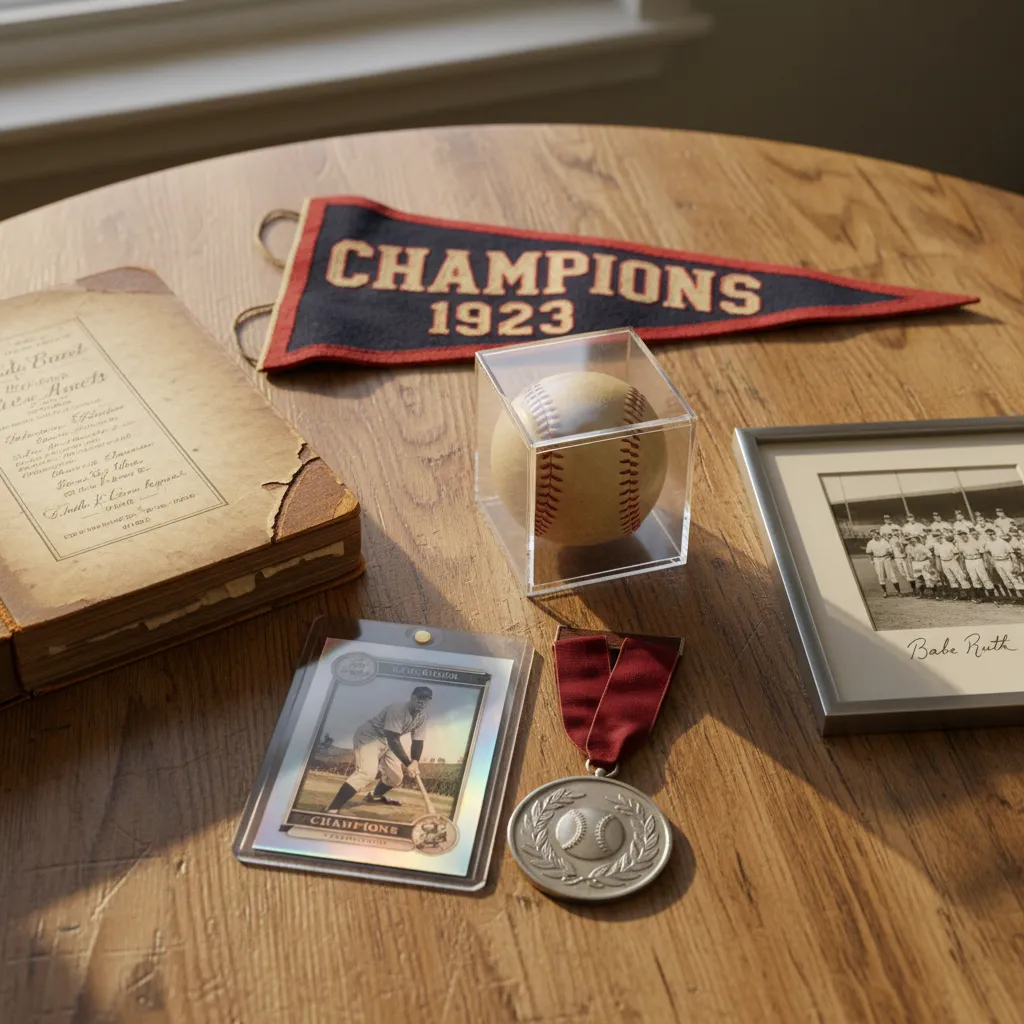
The memorabilia and collectibles category spans a broad range of asset types, each with its own grading standards, market dynamics, and documentation requirements. AppraiseItNow appraises:
- Sports memorabilia, including game-used equipment, jerseys, helmets, and balls
- Autographed items across sports, entertainment, and historical figures
- Trading cards, including graded and raw cards from major sports and gaming franchises
- Movie and television props, costumes, and production-used items
- Music memorabilia, including instruments, stage-worn items, and signed records
- Comic books, both graded and ungraded, across major publishers and eras
- Political and historical memorabilia, including campaign items and documents
- Vintage toys, action figures, and boxed collectibles
- Limited edition prints, posters, and licensed collectible art
- Bobbleheads, figurines, and manufacturer-issued sports collectibles
Who Does AppraiseItNow Serve?
AppraiseItNow serves individual collectors, estates, and donors who need credible valuations for tax filings, insurance, or legal proceedings, as well as attorneys, CPAs, and estate administrators managing collections on behalf of clients or beneficiaries.
How much does a Memorabilia & Collectibles appraisal cost?
Appraisal Type
Standard Fee Range
Pricing By Volume
What Drives Cost?
.svg)
5-Star Valuation Services, Loved by Hundreds
{{sectionName}}

{{sectionName}}
{{sectionName}}
{{sectionName}}
.svg)
View all Locations
How our Valuation Process Works
Written USPAP-compliant personal property appraisals for when defensibility matters.
Given the USPAP-compliant nature of AppraiseItNow’s appraisal reports, we prepare our deliverables for major legal, tax, and financial reporting purposes for individual and commercial clients.
Popular uses of our appraisal reports include:
Taxes, Estates & Financial Planning
- Gift Tax - IRS Form 709
- Estate Tax - IRS Form 706
- Charitable Donations - IRS Form 8283
- Estate planning, equitable distribution, and probate
- Loan Purposes
Life Events & Special Circumstances
- Divorce
- Social Security reporting or Medicaid Application Filings
- E-2 visa applications
Insurance & Risk Management
- Insurance coverage
- Insurance claims
- Third-party & legal damage claims



What types of memorabilia and collectibles does AppraiseItNow appraise?
AppraiseItNow appraises a wide range of memorabilia and collectibles, from sports and entertainment items to historical artifacts and pop culture pieces. Our appraisers handle both individual items and full collections across categories including:
- Signed sports memorabilia such as jerseys, bats, balls, and photographs
- Entertainment and celebrity autographs and props
- Movie and television memorabilia
- Political and historical memorabilia
- Trading cards and sports cards
- Comic books and graphic novels
- Vintage toys, games, and action figures
- Military medals, uniforms, and artifacts
- Concert and music memorabilia
- Limited-edition collectibles and figurines
Are your memorabilia and collectibles appraisals USPAP-compliant?
Yes. All appraisals completed by AppraiseItNow follow USPAP Standards 7 and 8, which specifically govern personal property appraisals including memorabilia and collectibles. Standard 7 requires proper identification of the property, market analysis, and a credible value conclusion, while Standard 8 mandates accurate reporting with documented methodology and supporting data. Our reports are qualified for use with the IRS, insurance agencies, courts, and other institutions that require compliant appraisals.
What are common reasons someone needs a memorabilia and collectibles appraisal?
There are many situations where a professional appraisal of memorabilia or collectibles is necessary or legally required. Common reasons include:
- Insurance coverage to establish replacement value
- Charitable donation deductions requiring IRS Form 8283
- Estate tax reporting on Form 706
- Divorce proceedings and equitable distribution
- Probate and estate settlement
- Damage or theft claims
- Sale or auction preparation
- Gift tax reporting
- Bankruptcy filings
Can you appraise memorabilia and collectibles in poor condition, with unknown provenance, or with limited documentation?
Yes. Appraisers regularly work with items that have incomplete histories or condition issues, and these factors are simply reflected in the valuation methodology and final value conclusion. Condition, provenance, and authenticity are all key variables that affect value, so an item with limited documentation will be analyzed using available market comparables and physical inspection findings. If provenance cannot be verified, the appraiser will note that limitation in the report and adjust the value accordingly, which is standard practice under USPAP.
Can you appraise large collections or multiple collectibles?
Absolutely. AppraiseItNow regularly appraises small and large collections, including estates with hundreds of individual items. Whether you have a focused collection of signed sports memorabilia or a broad assortment of vintage toys, trading cards, and historical artifacts, we can scope the project appropriately and provide volume pricing for larger engagements.
Do you provide online or remote memorabilia and collectibles appraisals?
Most memorabilia and collectibles appraisals are completed remotely using photographs, documentation, and information you provide, making the process fast and convenient regardless of your location. For larger collections, complex estates, or situations where a physical inspection is required by scope or client need, we can coordinate an in-person appraiser anywhere in the United States. Remote appraisals follow the same USPAP standards and produce the same defensible reports as onsite inspections.
How much does a memorabilia and collectibles appraisal cost?
Appraisal fees depend on the purpose, number of items, and complexity of the collection. Standard appraisals for insurance coverage, personal use, probate, and estate distribution start at $195, while advanced appraisals for charitable donations, estate tax, insurance claims, divorce, and legal proceedings start at $295. Volume pricing is available based on collection size:
- 1 item: $195 to $495
- 10 items: $695 to $1,200
- 50 to 100 or more items: $1,600 to $3,500 or more
Do you offer discounted pricing for large volumes?
Yes. Collections of 50 items or more qualify for discounted collection pricing, with fees ranging from $1,600 to $3,500 or more depending on scope and complexity. This makes professional appraisal accessible for estate liquidations, large personal collections, and institutional inventories. Contact us to discuss your specific collection and receive a fixed-price quote before work begins.
How long does a memorabilia and collectibles appraisal take?
Most remote appraisals are completed within 7 to 10 business days from the time all required information and photographs are received. Onsite inspections or larger collections typically take 2 to 3 weeks to complete. Rush service is available for same-day or next-day turnaround upon request if your situation requires an expedited report.
Who prepares the appraisal report?
Appraisal reports are prepared by credentialed personal property appraisers with specific expertise in memorabilia and collectibles. AppraiseItNow's team includes ISA-credentialed appraisers who are trained in USPAP-compliant valuation methods and experienced with the auction records, price guides, and comparable sales databases used to support defensible value conclusions for this asset category.
Are your appraisers ISA, ASA, or AAA credentialed?
Yes. AppraiseItNow's personal property appraisers hold credentials from the International Society of Appraisers, including the ISA AM designation. ISA members are required to complete USPAP training and adhere to professional standards specific to personal property appraisal, including memorabilia and collectibles. These credentials are recognized by the IRS, insurance companies, and courts as evidence of appraiser qualification.
Do you prepare appraisals for IRS Form 8283 (Noncash Charitable Contributions)?
Yes. If you are donating memorabilia or collectibles valued at $5,000 or more to a qualifying charity, IRS rules require a qualified appraisal completed by a qualified appraiser, and the appraisal summary must be attached to Form 8283. AppraiseItNow prepares USPAP-compliant appraisals that meet these requirements, including the specific comparable sales analysis and market documentation the IRS expects to see for collectibles and memorabilia donations.
Do you prepare appraisals for IRS Form 706 (Estate Tax)?
Yes. When an estate includes memorabilia or collectibles and the gross estate exceeds the federal filing threshold, which is $13.61 million in 2024, a qualified appraisal of personal property is required for Form 706. AppraiseItNow provides USPAP-compliant estate tax appraisals that document fair market value as of the date of death, using appropriate comparable sales and market analysis to support the figures reported on the return.
Do you buy, sell, or broker memorabilia and collectibles?
No. AppraiseItNow is an independent appraisal firm and does not buy, sell, or broker memorabilia or collectibles. This independence is essential to producing unbiased, defensible valuations that are credible for IRS filings, insurance purposes, legal proceedings, and other uses where a conflict of interest would undermine the report's integrity.
What information do you need to get started?
To begin a memorabilia or collectibles appraisal, it helps to gather the following before submitting your request:
- Clear photographs of each item from multiple angles, including any signatures, marks, labels, or damage
- A description of each item including type, maker or athlete, approximate age, and any known history
- Certificates of authenticity, letters of provenance, or third-party authentication documentation if available
- Original purchase receipts, auction records, or prior appraisals if on hand
- The intended purpose of the appraisal, such as insurance, donation, or estate
- Any deadlines or filing dates that may affect turnaround requirements
Can AppraiseItNow appraise memorabilia and collectibles located anywhere in the U.S.?
Yes. Remote appraisals are available nationwide and can be completed for items located in any state, with no need for an in-person visit in most cases. For larger or more complex projects, such as full estate collections or situations requiring physical inspection, we can coordinate an in-person appraiser in any state across the country. Our nationwide reach means geography is never a barrier to getting a qualified, defensible appraisal.
Will my appraisal be accepted by the IRS, insurers, or courts?
AppraiseItNow's appraisal reports are USPAP-compliant, prepared by qualified appraisers, and structured to meet the specific requirements of the IRS, insurance carriers, and legal proceedings. For IRS purposes, our reports include the comparable sales analysis, market documentation, and appraiser qualifications required under Treasury Regulations. Reports state a single firm value rather than a range, which is required for IRS and court admissibility, and digital copies exactly match signed physical versions to satisfy legal and institutional standards.
What is the difference between fair market value and replacement value for memorabilia, and does it matter which one I use?
It matters significantly, and using the wrong value type can void compliance with the IRS or your insurance policy. Fair market value is the price a willing buyer would pay a willing seller in an open market, which is the standard the IRS requires for charitable donations, estate tax, and casualty loss claims. Replacement value, by contrast, is the retail cost to replace the item with one of similar kind and quality, which is what insurers use to determine coverage limits. Requesting the wrong value type for your purpose can result in rejected tax filings or inadequate insurance payouts.
Does the IRS ever challenge or reject memorabilia appraisals, and what makes one more defensible?
Yes. The IRS Art Advisory Service, which reviews appraisals submitted with tax filings, commonly rejects reports that lack specific comparable sales analysis with quality and relevance adjustments, or that fail to include supporting documentation such as exhibition records or authentication certificates. A defensible memorabilia appraisal must cite actual public or private sales close to the valuation date, adjust those comparables for differences in condition and provenance, and be prepared by a qualified appraiser with documented credentials. Appraisals that rely on price guides alone or omit artist and maker comparables are particularly vulnerable to IRS scrutiny.
How does authentication affect the appraised value of signed memorabilia, and what happens if authenticity is uncertain?
Authentication has a direct and substantial impact on value. Signed memorabilia without third-party authentication from a recognized service can lose a significant portion of its appraised value because the market heavily discounts items where provenance cannot be verified. Appraisers note authentication status in the report and use comparable sales of similarly authenticated or unauthenticated items to support the value conclusion. If authenticity is uncertain, the appraiser will document that limitation under USPAP requirements, and the resulting value will reflect the market's treatment of unverified items rather than the higher value attributed to authenticated pieces.
APPRAISEITNOW APPRAISERS ARE BEST-IN-CLASS & CREDENTIALED BY LEADING APPRAISAL ORGANIZATIONS LIKE THE ISA, ASA, & MORE.




