






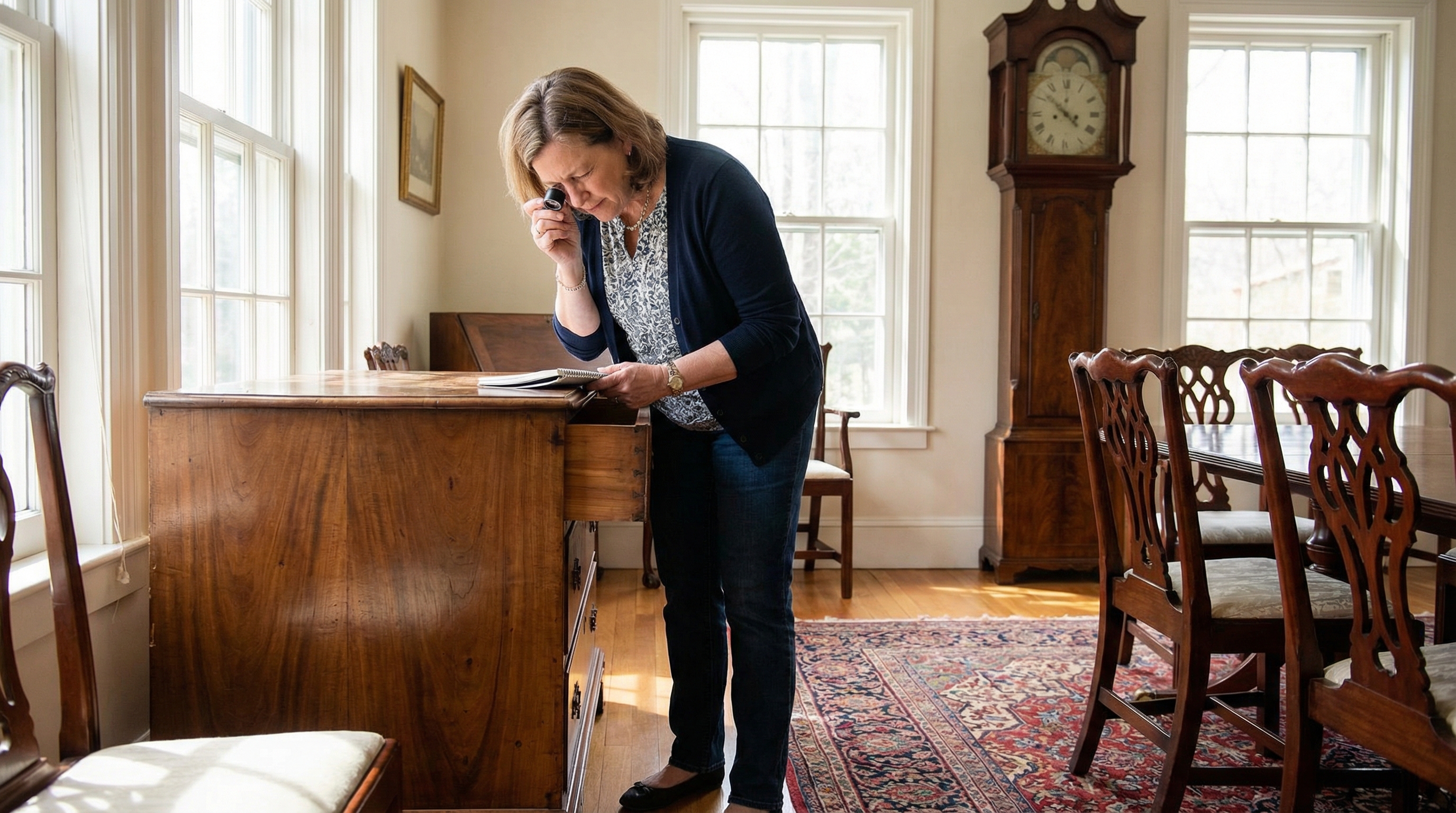
Personal property appraisers evaluate the value of tangible assets like artwork, antiques, jewelry, machinery, and business equipment. Unlike real estate appraisers, you don't need a state license to become a personal property appraiser, but you do need proper education, USPAP training, and professional credentials to be taken seriously by courts, the IRS, and insurance companies.
The path involves completing foundational coursework, gaining hands-on experience, and earning designations from recognized organizations like the American Society of Appraisers (ASA) or International Society of Appraisers (ISA). With proper training, personal property appraisers can earn between $50,000 to $100,000 annually, with specialists in niche areas often commanding higher fees.
Quick Answer: No state license is required for personal property appraisers, but you need 120 hours of appraisal education, USPAP training, documented experience, and professional designations to build credibility with clients.
No, there are no federal or state licensing requirements specifically for personal property appraisers. This differs significantly from real estate appraisers who must be licensed under federal regulations. However, this doesn't mean anyone can simply call themselves a qualified appraiser.
While no government license exists, most credible clients including courts, the IRS, and insurance companies require appraisers to meet minimum qualifications established by The Appraisal Foundation's Appraiser Qualifications Board (AQB). These standards include specific education hours, USPAP training, and documented experience.
Professional organizations like ASA, ISA, and others issue designations that serve as industry-recognized credentials. These designations carry significant weight when clients evaluate an appraiser's qualifications and are often required for certain types of assignments, including professional antiques appraisals.
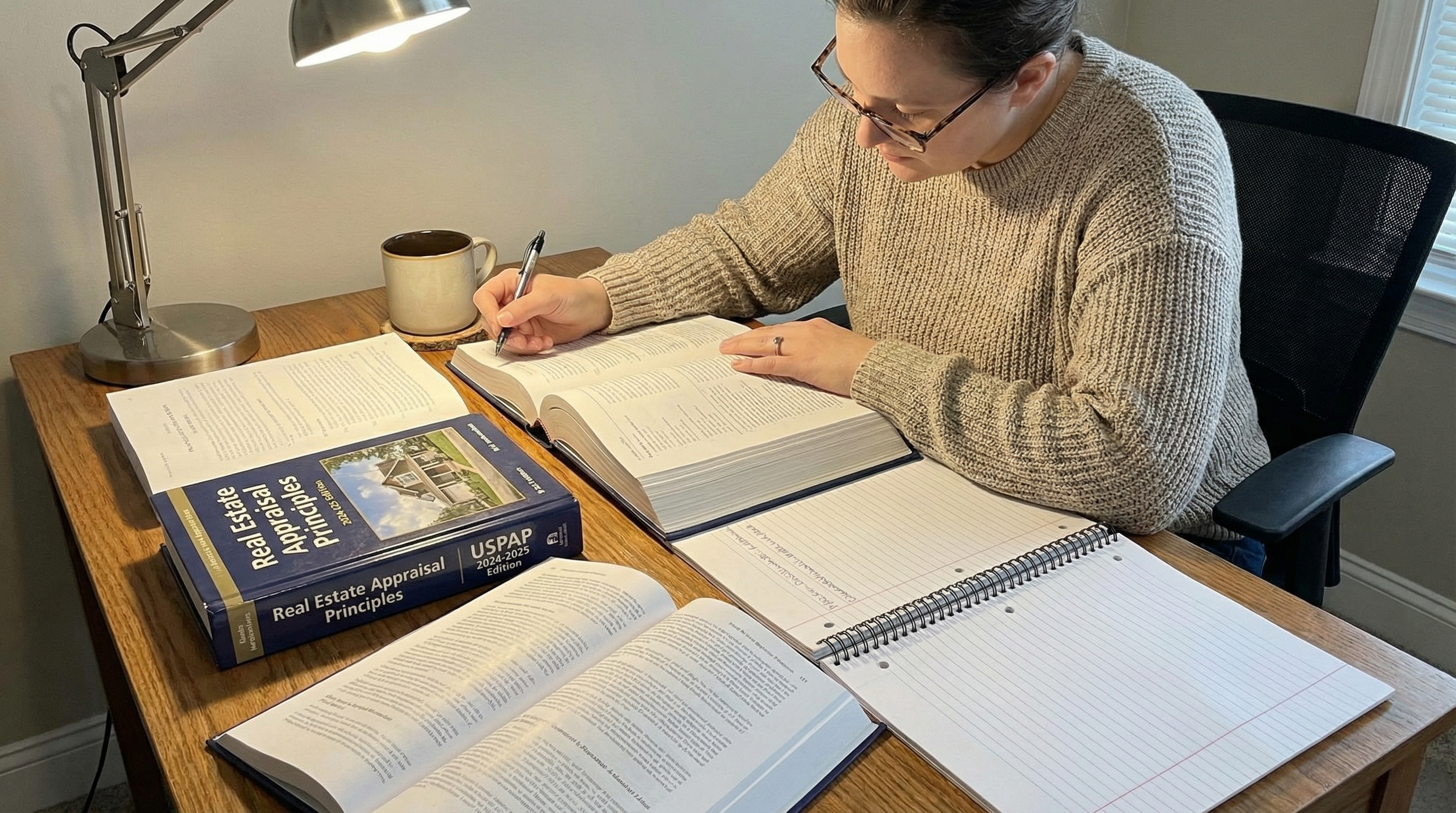
The AQB recommends minimum qualifications that most professional organizations adopt. You need 120 hours of appraisal-specific education covering topics like valuation theory, market analysis, and report writing. Additionally, you must complete either 30 semester hours of college coursework or hold an associate degree or higher.
The cornerstone of appraisal education is the 15-hour Uniform Standards of Professional Appraisal Practice (USPAP) course. This covers ethical requirements and professional standards that govern all appraisal work. Most professional organizations require USPAP completion before you can pursue their designations.
Beyond basic requirements, you'll want specialty training in your chosen area. Art appraisers need courses in art history and authentication techniques, while machinery appraisers require technical knowledge about equipment valuation. Many organizations offer continuing education to keep your skills current and maintain your credentials. Understanding the basics of antique jewelry appraisals or how to obtain an accurate antiques appraisal can help you determine which specialty aligns with your interests.
OrganizationKey RequirementsPrimary FocusASA5 courses + exam + experienceBroad personal propertyISAUSPAP + Core coursesGeneral personal propertyIAAO3 years experience + courses + examTax assessmentNAA40-hour class + USPAP + reportAuction industry
The AQB recommends at least 700 hours of appraisal-specific experience, plus additional specialty hours depending on your focus area. This might seem daunting initially, but there are several pathways to accumulate these hours while learning the profession.
Consider working as an assistant to an established appraiser, joining auction houses that need valuation support, or seeking positions with tax assessment offices. Some appraisers start by volunteering with charitable organizations that need donation valuations, though you must be careful to avoid conflicts of interest. Learning how to choose the right appraiser for your antiques from the client's perspective can also help you understand what makes a qualified professional.
Professional designations provide credibility and often lead to higher fees. The ASA offers Accredited Member (AM) and Accredited Senior Appraiser (ASA) designations through a structured program of courses, exams, and demonstrated competency. The ISA provides membership levels and specialty certifications in various personal property categories.
Pro Tip: Document all your appraisal work carefully from day one. You'll need detailed logs showing hours worked, types of property appraised, and supervisory relationships when applying for professional designations.
Starting your own practice requires more than technical skills. You need to understand your target market, whether that's insurance companies needing damage assessments, attorneys handling estate disputes, or individuals seeking charitable donation valuations.
Develop relationships with professionals who refer appraisal work including attorneys, CPAs, insurance agents, and wealth advisors. Your professional designation and USPAP compliance should be prominent in all marketing materials since these credentials signal credibility to potential clients. Understanding the role of antiques appraisals in insurance claims can help you better serve this important client segment.
Pricing your services appropriately is crucial for long-term success. Most appraisers charge hourly rates or flat fees per assignment. Avoid percentage-of-value fees, which USPAP discourages due to potential conflicts of interest. Entry-level appraisers might start at $75-100 per hour, while experienced specialists can command $200-300 per hour or more.

The personal property appraisal field continues growing due to several market factors. Online marketplaces have increased awareness of item values, leading more people to seek professional appraisals. Wealth transfer to younger generations creates demand for estate valuations, while insurance companies increasingly require documented values for high-end personal property.
Specialization often leads to the highest earning potential. Forensic appraisers who testify in legal cases, fine art specialists working with museums and collectors, or machinery appraisers serving industrial clients can build highly profitable practices. The key is developing deep expertise in your chosen niche while maintaining the broad foundation that professional designations provide. Whether you focus on appraising rare books and manuscripts, collectible toys and action figures, or other specialized areas, there are opportunities for dedicated professionals.
Remember that becoming a competent personal property appraiser takes time and dedication. Most professionals spend 2-3 years completing education, gaining experience, and earning their first designation. However, the investment pays off through a flexible career that combines analytical skills with specialized knowledge in areas you find personally interesting.
Getting Started: Begin with the 15-hour USPAP course, choose a specialty area that interests you, and connect with local professional organizations to find mentorship opportunities and networking events.
The personal property appraisal profession offers excellent opportunities for those willing to invest in proper education and credentials. While no government license is required, success depends on meeting industry standards, building professional relationships, and developing expertise in your chosen specialty areas.
No, personal property appraisers are generally not required to hold state licenses in the United States. Unlike real estate appraisers who must be state-licensed under federal regulations, personal property appraisers follow voluntary standards set by The Appraisal Foundation and earn credentials through professional organizations like ASA, ISA, or IAAO. However, credible clients including courts, the IRS, and insurance companies expect appraisers to meet minimum qualifications including USPAP training and professional designations.
Becoming a competent personal property appraiser typically takes 2-3 years. You need to complete 120 hours of appraisal education, the 15-hour USPAP course, and accumulate at least 700 hours of documented appraisal experience plus additional specialty experience. Most professional designations require 2-5 years of practice before you can earn credentials like ASA or ISA designations. The timeline depends on whether you study full-time or part-time and how quickly you can gain supervised experience.
The Appraiser Qualifications Board recommends 120 hours of appraisal-specific education plus either 30 semester credit hours of college coursework or an associate degree or higher. All appraisers must complete the 15-hour USPAP course and take 7-hour update courses every cycle. Additional specialty training is needed for your chosen area, such as art history for fine art appraisers or technical knowledge for machinery appraisers. Continuing education is required to maintain professional credentials.
Personal property appraisers can earn between $50,000 to $100,000 annually, with specialists in niche areas often commanding higher fees. Entry-level appraisers typically charge $75-100 per hour, while experienced specialists can earn $200-300 per hour or more. Income varies widely based on specialization, geographic location, experience level, professional designations, and whether you work independently or for an organization. Many appraisers are self-employed, so earnings depend heavily on client volume and fee structure.