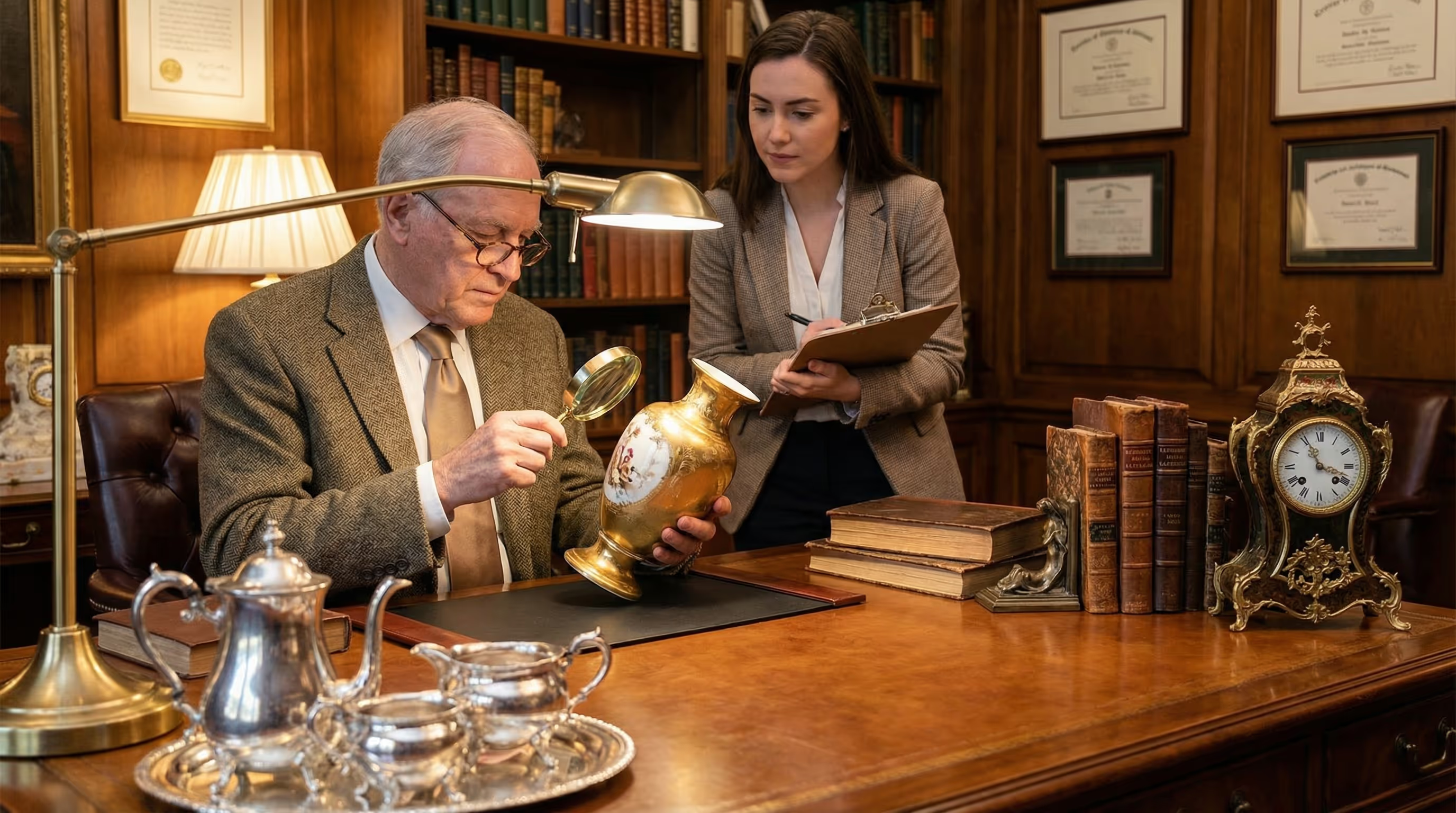
How to Get Your Antiques Accurately Appraised: Complete Step-by-Step Guide

Last Updated on Nov 01, 2025
Originally Published on Nov 01, 2025
Thank you! Your submission has been received!
Oops! Something went wrong while submitting the form.
Nationwide Service
Onsite or Online
USPAP-Compliant
IRS Qualified
DEFENSIBLE, USPAP-COMPLIANT APPRAISAL REPORTS — ACCEPTED BY 10,000+ ORGANIZATIONS
Antique Appraisal Process Overview

Whether you've inherited family heirlooms, discovered treasures at estate sales, or need to update your insurance coverage, getting your antiques accurately appraised is essential for protecting your investment. An accurate appraisal provides the documentation you need for insurance claims, estate planning, charitable donations, or selling decisions.

Quick Answer: To get your antiques accurately appraised, you need a certified appraiser (ASA, ISA, or similar credentials), clear photos from multiple angles, any documentation about the item's history, and typically 1-3 weeks for completion. Costs range from $300-800 per item depending on complexity, and you can choose between online photo-based appraisals or in-person evaluations.

Pro Tip: Always verify your appraiser holds current certifications from recognized organizations like ASA (American Society of Appraisers) or ISA (International Society of Appraisers) and provides USPAP-compliant reports accepted by insurance companies and the IRS.

This guide walks you through everything you need to know about getting professional antique appraisals, from choosing the right appraiser to understanding different valuation types.

Understanding antique appraisals and when you need one

An antique appraisal is a professional evaluation that determines your item's current market value based on factors like age, rarity, condition, and historical significance. Unlike sentimental value, appraisals focus on what buyers would actually pay in today's market.

You should consider getting an appraisal when you're updating insurance coverage for valuable items, settling an estate, planning charitable donations over $5,000, going through divorce proceedings, or preparing to sell at auction. Insurance companies typically require appraisals for items worth more than $2,500 to ensure adequate coverage.

The appraisal process involves detailed documentation, research into comparable sales, and analysis of your item's unique characteristics. Professional appraisers create written reports that include photographs, detailed descriptions, and the methodology used to determine value. Understanding the value of professional antiques appraisals can help you make informed decisions about your collectibles.

Certified Appraiser Credentials

Step-by-step process for getting your antiques appraised

Getting your antiques appraised follows a straightforward process that begins with choosing between online and in-person evaluation options.

Step 1: Choose your appraisal method. Online appraisals work well for common antiques with clear identifying marks, while in-person evaluations are better for high-value items or pieces requiring hands-on examination.

Step 2: Research qualified appraisers. Look for professionals with ASA, ISA, or AAA credentials who specialize in your type of antique. Verify they provide USPAP-compliant reports and have no conflicts of interest. Learn more about what to ask when choosing an antiques appraiser.

Step 3: Prepare your documentation. Gather any receipts, previous appraisals, certificates of authenticity, or family history about the item. Take clear photos from multiple angles, including close-ups of maker's marks and any damage.

Step 4: Submit your request. Contact your chosen appraiser with initial photos and information. They'll provide a quote and timeline based on your item's complexity.

Step 5: Complete the evaluation. For online appraisals, submit high-resolution photos and detailed information. For in-person appraisals, schedule the appointment and have all documentation ready.

Important: Ethical appraisers never base their fees on a percentage of your item's value, as this creates a conflict of interest. Always request a flat fee quote upfront.

Choosing the right appraiser for accurate results

The quality of your appraisal depends entirely on your appraiser's qualifications and expertise. Look for professionals who hold current certifications from recognized organizations and specialize in your specific type of antique.

Certified appraisers must complete extensive education, pass rigorous exams, and maintain ongoing professional development. The most respected credentials include ASA (American Society of Appraisers), ISA (International Society of Appraisers), and AAA (Appraisers Association of America). Understanding certification for antique appraisers helps ensure you're working with qualified professionals.

Ask potential appraisers about their experience with items similar to yours. A furniture specialist may not be the best choice for evaluating vintage jewelry, and vice versa. Request sample reports to ensure they provide detailed, professional documentation that meets industry standards.

Verify that your appraiser provides USPAP-compliant reports, which are required for insurance, legal, and tax purposes. These reports follow strict guidelines and are accepted by courts, insurance companies, and the IRS.

Understanding fair market value versus replacement value

The type of appraisal you need depends on its intended use, and understanding the difference between fair market value and replacement value is crucial for getting the right documentation.

Appraisal TypeDefinitionCommon UsesTypical Value LevelFair Market ValuePrice between willing buyer and sellerEstate planning, donations, divorceGenerally lowerReplacement ValueCost to replace with similar item todayInsurance coverageGenerally higherLiquidation ValueQuick sale price in current conditionEstate sales, urgent salesLowest

Fair market value represents what your antique would sell for in the current market between knowledgeable parties. This valuation is typically required for estate taxes, charitable donations, and divorce settlements. The appraiser considers recent sales of comparable items and current market demand.

Replacement value, also called retail replacement value, estimates what you'd pay to replace your antique with a similar item in today's market. Insurance companies use this higher valuation to ensure you can actually replace your item if it's damaged or stolen.

Key Insight: Insurance appraisals typically use replacement value and should be updated every 3-5 years to account for market changes and inflation.

Antique Valuation Factors

Preparing for your appraisal and maximizing accuracy

Proper preparation significantly improves your appraisal's accuracy and can save you time and money. Start by gathering all available documentation about your antique, including purchase receipts, previous appraisals, family history, and any certificates of authenticity.

Take high-quality photographs from multiple angles, including overall views and close-ups of maker's marks, signatures, damage, or repairs. Use good lighting and include a ruler or coin for scale reference. These photos help appraisers assess condition and identify key details.

Document everything you know about the item's history, including where and when it was acquired, previous owners, and any repairs or modifications. This provenance information can significantly impact value, especially for rare or historically significant pieces. For specific item types, you might want to review 5 tips for getting the most out of an antiques appraisal.

Avoid cleaning or restoring your antique before the appraisal unless specifically advised by your appraiser. Well-intentioned cleaning can sometimes reduce value, and professional appraisers need to see the item in its current condition.

Most single-item appraisals take 1-2 weeks to complete, while complex research cases or full estate appraisals may require 3-4 weeks. Costs typically range from $300-800 per item, depending on the research required and the appraiser's expertise level.

Getting your antiques accurately appraised protects your investment and provides the documentation you need for insurance, legal, and financial purposes. By choosing qualified appraisers, preparing proper documentation, and understanding different valuation types, you ensure reliable results that serve your specific needs. Understanding the role of antiques appraisals in insurance claims can further protect your valuable possessions. AppraiseItNow provides nationwide, USPAP-compliant antique appraisals with certified professionals who deliver defensible reports accepted by insurance companies, courts, and the IRS.

Frequently Asked Questions About Getting Your Antiques Appraised

How much does it cost to get antiques appraised?

Antique appraisal costs typically range from $300-800 per item, depending on the complexity of research required and the appraiser's expertise level. Most qualified appraisers charge flat fees based on time and complexity rather than a percentage of the item's value, which helps avoid conflicts of interest. Factors that influence cost include the number of items, research complexity, travel requirements, and the appraiser's specialization in your type of antique.

Can I get my antiques appraised online from photos?

Yes, online photo-based appraisals work well for common antiques with clear identifying marks and good documentation. You'll need high-resolution photos from multiple angles, including close-ups of maker's marks and any damage. However, in-person evaluations are recommended for high-value items, pieces requiring hands-on examination for authenticity, or when condition assessment is critical to determining value.

What's the difference between fair market value and replacement value for antiques?

Fair market value represents what your antique would sell for between willing buyers and sellers in the current market, typically used for estate planning, charitable donations, and divorce settlements. Replacement value (or retail replacement value) estimates what you'd pay to replace your antique with a similar item in today's market, which is generally higher and used for insurance coverage to ensure you can actually replace the item if it's damaged or stolen.

How long does an antique appraisal take to complete?

Most single-item antique appraisals take 1-2 weeks to complete, while complex research cases or full estate appraisals may require 3-4 weeks. The timeline depends on factors like the number of items, research complexity, and the appraiser's current workload. Simple appraisals with good documentation and clear comparable sales data can sometimes be completed faster, while rare or unusual pieces requiring extensive research take longer.

Related Appraisals We Offer

Related Articles

BEST-IN-CLASS APPRAISERS, CREDENTIALED BY: