









At AppraiseItNow, we see clients every day who need clarity about the appraisal process. Some are surprised by their appraised value. Others wonder why it differs from online estimates. Many simply want to understand what goes into these crucial calculations that can impact insurance settlements, tax assessments, and legal proceedings. Here's how professional appraisers actually determine fair market value, and what you can expect when you order an appraisal.
Fair market value is the price your property would sell for in an open market between a willing buyer and willing seller. Both parties must have reasonable knowledge of the facts. Neither can be under pressure to buy or sell. Think of it like this: if you could find the perfect buyer who genuinely wants your type of property and has the means to purchase it, what would that buyer pay? You would also need enough time to market it properly without any urgency. That price is fair market value.
Fair market value differs from other values you might encounter like online estimates, assessed value which is what your local tax authority uses for property taxes, and insurance replacement value which focuses on rebuilding costs.
Important: Courts, insurance companies, and tax authorities typically reject amateur valuations and online estimates.
Certified appraisers begin with thorough research before attempting to arrive at a fair market valuation. This often happens before they even see your property. This groundwork is crucial because fair market value isn't determined in isolation but based on how your property compares to similar items in the current market. Here's a full picture of what happens behind the scenes:
Appraisers examine recent sales of comparable properties or items. They analyze price trends and market conditions. For real estate, this means looking at homes with similar size, age, and location that sold recently. For personal property, this means researching sales of similar items in comparable condition.
Appraisers then evaluate the current state of your property. They note any damage, improvements, or unique characteristics that affect value. A well-maintained antique will have different value than the same piece with significant wear.
At this stage, appraisers gather relevant documents. These include property records, receipts, certifications, or provenance information that supports the valuation.
Appraisal Fact: The research phase is where amateur valuations often fall short. Online tools can't assess property conditions or account for unique factors that significantly impact value.
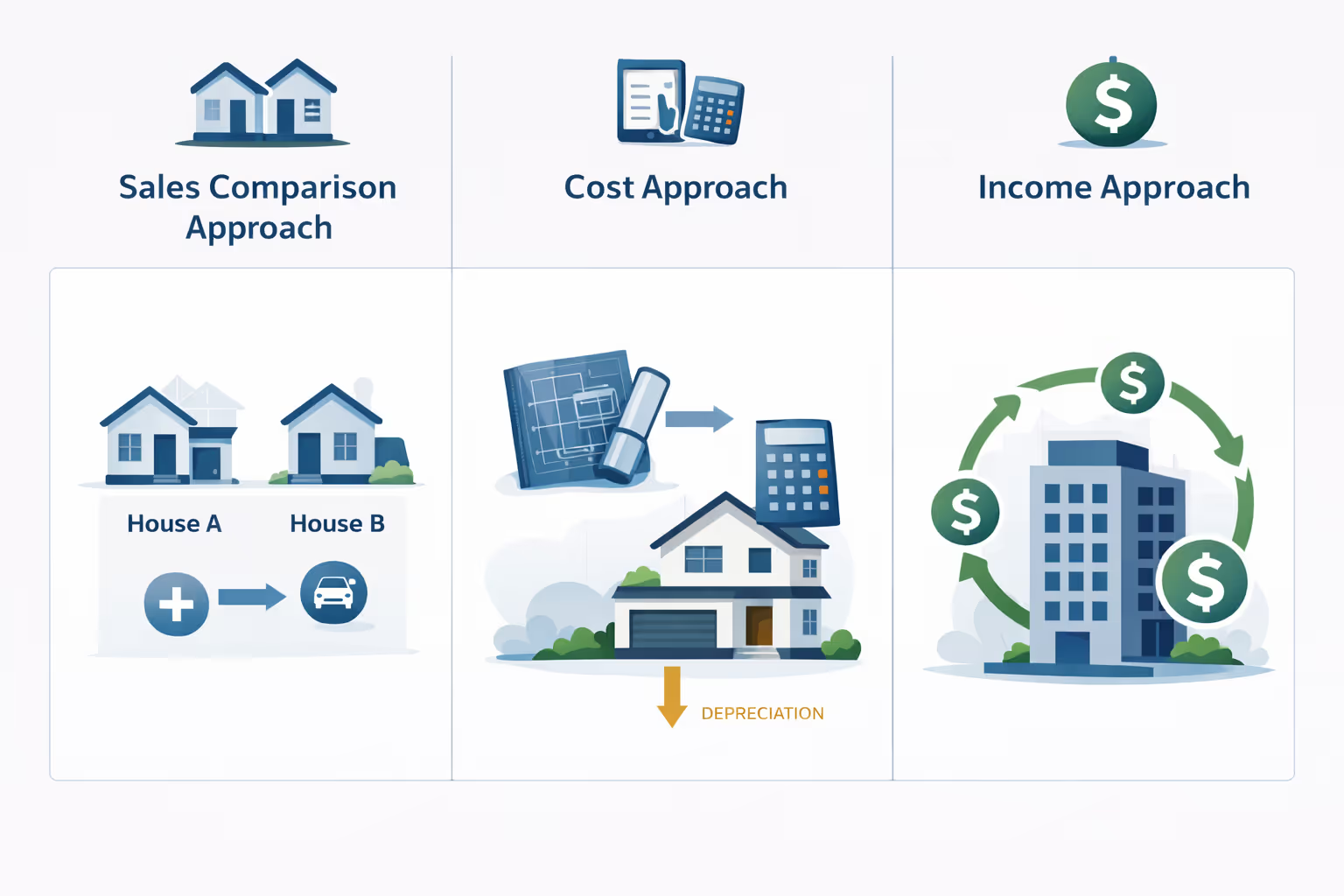
After the research process, professional appraisers rely on different established approaches to determine fair market value. Depending on your property type and the available data, appraisers use one or more of these methods:
This is usually the primary method. Professional appraisers identify recent sales of similar properties and adjust for differences. For example, if a comparable house sold for $400,000 but had a garage while yours doesn't, they would subtract the value of that garage. This establishes what your house would have sold for under the same conditions. The key is finding truly comparable sales. Appraisers don't just look for anything that sold recently. They need properties that buyers would consider as alternatives to yours.
This approach considers what it would cost to replace your property today. Then it subtracts depreciation for age and condition. This method works well for newer properties or unique items where comparable sales are scarce. For a custom home, appraisers might determine that replacement cost is $500,000. But the house has depreciated $50,000 due to age. This gives us a value of $450,000.
For income-producing properties, appraisers analyze the revenue stream. A rental property generating $50,000 annually might be valued based on what return investors expect in that market.
Professional Standard: The best appraisals use multiple approaches and reconcile the results rather than relying on a single method.
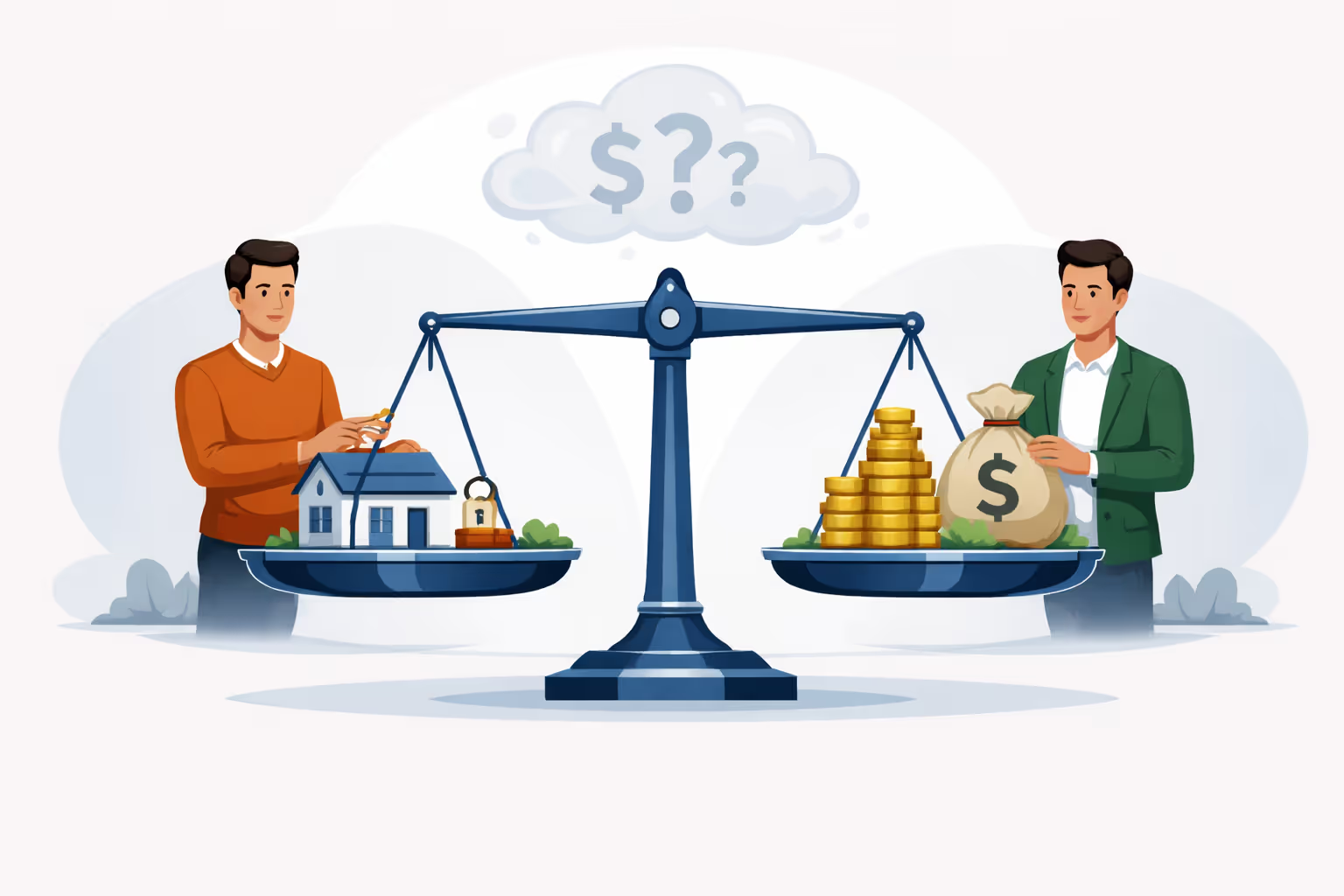
Your property doesn't exist in a vacuum. Market conditions significantly influence fair market value. A certified appraiser considers whether you're in a buyer's market or seller's market. A buyer's market has more supply than demand. A seller's market has more demand than supply.
Recent economic conditions have created some dramatic examples. During the pandemic, certain collectibles and real estate markets saw rapid appreciation. Some commercial properties lost value as business patterns changed. These broader trends affect individual valuations. In addition, appraisers also consider seasonal factors that might affect demand and local economic conditions that impact the buyer pool
Market Reality: Appraisers must adjust for current market conditions, not historical prices from months or years ago. Market analysis ensures your appraised value reflects what would actually happen if you sold today. It doesn't reflect what might have happened six months ago.
Q. How long does a professional appraisal take?
A. Most appraisals are completed within 1-2 weeks, depending on property complexity and market data availability. Rush orders may be available for urgent situations with additional fees.
Q. Can I use a real estate agent's market analysis instead of an appraisal?
A. No. While helpful for selling decisions, agent market analyses lack the detailed methodology and certification required by insurance companies, courts, and tax authorities.
Q. Do I need to be present during the appraisal inspection?
A. Not necessarily, but having someone available to provide property access and answer questions about improvements or unique features can help ensure a more accurate valuation.
Q. How often should I update my property appraisal?
A. For insurance purposes, consider updating every 3-5 years or after major improvements. For legal or tax matters, you'll need current appraisals typically completed within the past 6-12 months.
Understanding how appraisers determine fair market value helps you appreciate why professional appraisals matter for insurance, tax, and legal purposes. The process combines systematic research, established methodology, and professional judgment. This arrives at defensible valuations that stand up to scrutiny.
Additionally, you shouldn't wait until the last minute to order your appraisal. Insurance companies, attorneys, and tax authorities often have deadlines. AppraiseItNow provides fast, certified appraisals for real estate, personal property, equipment, and businesses. Our experienced appraisers understand the stakes involved in your valuation. We deliver reports that meet professional standards and legal requirements.
Contact AppraiseItNow today to discuss your appraisal needs. Whether you're dealing with insurance claims, tax matters, or legal proceedings, we'll help you understand the process. We'll provide the reliable valuation you need.




