Antique Appraisal and Authentication Guide: Finding the Right Expert for Your Treasures

Last Updated on Dec 16, 2025
Originally Published on Dec 16, 2025
Thank you! Your submission has been received!
Oops! Something went wrong while submitting the form.
Nationwide Service
Onsite or Online
USPAP-Compliant
IRS Qualified
DEFENSIBLE, USPAP-COMPLIANT APPRAISAL REPORTS — ACCEPTED BY 10,000+ ORGANIZATIONS
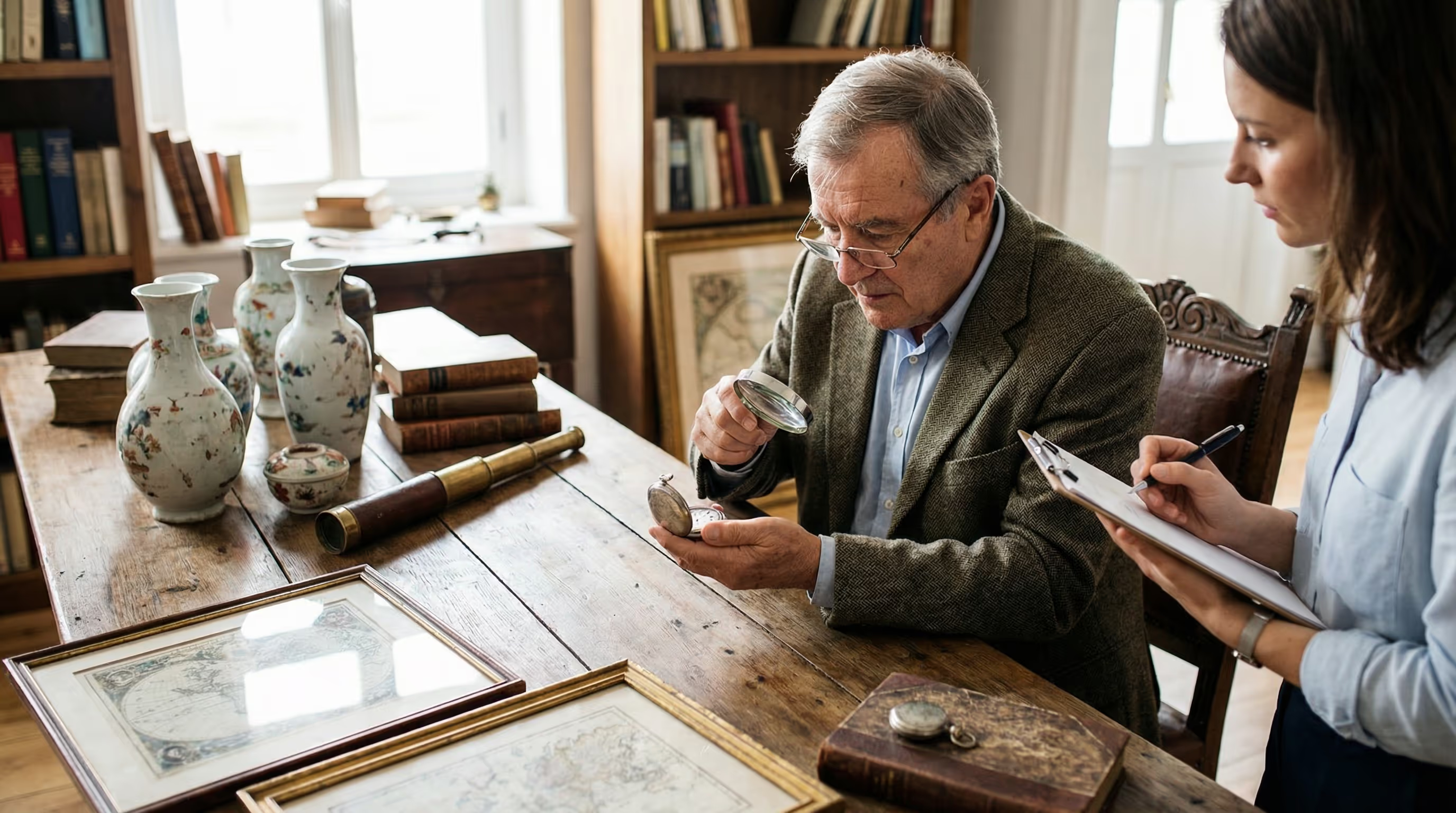
Antique appraisal expert examining vintage items

You've inherited your grandmother's china cabinet, discovered an old painting in the attic, or stumbled upon what looks like a genuine antique at an estate sale. The question burning in your mind is simple: "Is this valuable, and is it real?" Without proper antique appraisal and authentication, you could be sitting on a fortune or unknowingly displaying a well-crafted reproduction.

An antique appraisal is a professional evaluation that determines the monetary value of items typically over 100 years old, while authentication verifies whether an item is genuine or a reproduction. Professional antique appraisers combine both skills to give you complete confidence in your collection's worth and authenticity.

Quick fact: Items must be at least 100 years old to be considered true antiques, though valuable vintage pieces (20-99 years) and collectibles can also benefit from professional evaluation.

This guide will walk you through everything you need to know about getting your antiques properly evaluated, from understanding the appraisal process to finding a qualified antique assessor near you.

What makes an antique appraisal different from authentication

Many people use these terms interchangeably, but they serve distinct purposes. An antique appraisal provides a documented opinion of value for specific purposes like insurance, estate planning, or charitable donations. The appraiser researches comparable sales, examines condition, and assigns a dollar value based on current market conditions.

Authentication, on the other hand, focuses on verifying genuineness. An antique authenticator examines maker's marks, construction methods, materials, and historical context to confirm whether an item is original or a reproduction. They might determine that your "Ming vase" is actually a 20th-century copy, regardless of its current market value.

For high-value items, you often need both services. A USPAP-compliant appraisal report that includes authentication provides the strongest foundation for insurance claims, legal proceedings, or IRS-qualified charitable donations.

Antique authentication process examining makers marks

Understanding what determines your antique's value

Several key factors work together to establish an antique's worth, and understanding these helps you communicate effectively with your appraiser.

Age and rarity top the list, but they don't automatically guarantee high value. A 200-year-old chair that was mass-produced might be worth less than a 50-year-old designer piece made in limited quantities. Historical significance also plays a role - items connected to important events, famous people, or significant cultural movements often command premium prices.

Condition dramatically affects value. Original finishes, intact hardware, and minimal wear typically increase worth, while repairs, replacements, or refinishing can reduce it significantly. However, some restoration might be acceptable or even expected for very old pieces, depending on the item type and market expectations.

Important note: Provenance documentation can increase an antique's value by 20-50% or more, especially for high-end pieces with celebrity ownership or museum-quality significance.

Market demand fluctuates based on collecting trends, interior design preferences, and generational interests. What your parents' generation coveted might not appeal to today's buyers, affecting current market values regardless of the item's intrinsic qualities. Understanding how contemporary design impacts antique appraisals can help you navigate these shifting market dynamics.

When you need a formal appraisal versus informal valuation

Not every antique requires a formal, written appraisal. Understanding when you need official documentation saves time and money while ensuring you meet legal and insurance requirements.

PurposeAppraisal Type NeededValue BasisNotesInsurance coverageUSPAP-compliant writtenReplacement valueRequired for items over policy limitsEstate/probateFormal written appraisalFair market valueCourt-acceptable documentationCharitable donationIRS-qualified appraisalFair market valueRequired for donations over $5,000Personal curiosityInformal consultationCurrent market estimateVerbal or brief written opinion

For insurance purposes, most companies require formal appraisals for individual items worth more than $2,500 or collections exceeding $10,000. Estate and probate situations always need court-acceptable documentation, while the IRS mandates qualified appraisals for non-cash charitable donations over $5,000. Learn more about why antiques appraisals are essential for estate planning.

If you're simply curious about value or considering a sale, an informal consultation might suffice. Many appraisers offer brief evaluations or verbal opinions for a lower fee than full written reports.

Finding a qualified antique appraiser or assessor near you

The credentials and experience of your chosen appraiser directly impact the accuracy and acceptance of your appraisal. Start by looking for membership in recognized professional organizations like the American Society of Appraisers (ASA), International Society of Appraisers (ISA), or Appraisers Association of America (AAA).

These organizations require ongoing education, adherence to ethical standards, and compliance with Uniform Standards of Professional Appraisal Practice (USPAP). When searching for an "antique assessor near me," verify these credentials rather than relying solely on online reviews or proximity.

Experience with your specific type of item matters enormously. An appraiser specializing in American furniture might not be the best choice for Asian ceramics or vintage jewelry. Ask potential appraisers about their experience with items similar to yours and request examples of recent appraisals in that category. If you're dealing with specific items like antique furniture, check out our guide on choosing the right antique furniture appraiser.

Professional appraiser credentials and certifications

Consider whether you need on-site inspection or if online appraisal works for your situation. Large furniture pieces, extensive collections, or items requiring detailed physical examination benefit from in-person evaluation. However, many appraisers now offer reliable online services for smaller items when provided with high-quality photographs and detailed descriptions.

Pro tip: Always ask about potential conflicts of interest - reputable appraisers won't offer to buy items they've appraised, as this violates professional ethics standards.

Before hiring anyone, ask about their fee structure, turnaround time, and what format your appraisal report will take. Legitimate appraisers charge flat fees or hourly rates, never percentages of appraised value. For more guidance, explore our article on what to ask when choosing an antiques appraiser.

AppraiseItNow connects you with USPAP-compliant, IRS-qualified appraisers who specialize in antiques and collectibles. Our network includes experts in furniture, fine art, decorative arts, jewelry, coins, and memorabilia, ensuring you get accurate valuations accepted by insurance companies, courts, and tax authorities nationwide.

Whether you need authentication services, formal appraisals for insurance or estate purposes, or simply want to understand your collection's value, professional evaluation provides the confidence and documentation you need to make informed decisions about your antique treasures. Discover more about the value of professional antiques appraisals and how they can protect your investment.

FAQ

How do I get my antiques appraised and authenticated?

Start by gathering clear photos, any receipts or provenance documents, and a list of what you own. Then contact a credentialed antique appraiser or authenticator who specializes in your type of item and ask for a written, USPAP-compliant appraisal report rather than an informal verbal opinion.

How can I find a reputable antique assessor near me?

Look for appraisers with credentials from professional organizations like ASA, ISA, or AAA who follow USPAP standards and specialize in your type of item. Verify they provide written reports accepted by insurers and courts, and avoid appraisers who offer to buy items they've appraised to prevent conflicts of interest.

What does an antique appraisal cost?

Professional antique appraisals are typically billed by the hour, by the piece, or by the project, depending on the scope and complexity. Costs vary with the appraiser's expertise and the items involved, but reputable appraisers charge fees based on time and work required, never a percentage of the item's value.

Can I get an antique appraisal online from photos?

Many qualified appraisers offer online appraisals using detailed photos, measurements, and documentation, which can be sufficient for insurance, estate, or planning purposes. However, rare, high-value, or condition-sensitive items may require an in-person inspection for the most accurate and defensible valuation.

Related Appraisals We Offer

Related Articles

BEST-IN-CLASS APPRAISERS, CREDENTIALED BY: