Beverage Equipment Appraisal Guide: How to Get the Most Accurate Valuation for Your Business

Last Updated on Aug 11, 2025
Originally Published on Aug 11, 2025
Thank you! Your submission has been received!
Oops! Something went wrong while submitting the form.
Nationwide Service
Onsite or Online
USPAP-Compliant
IRS Qualified
DEFENSIBLE, USPAP-COMPLIANT APPRAISAL REPORTS — ACCEPTED BY 10,000+ ORGANIZATIONS
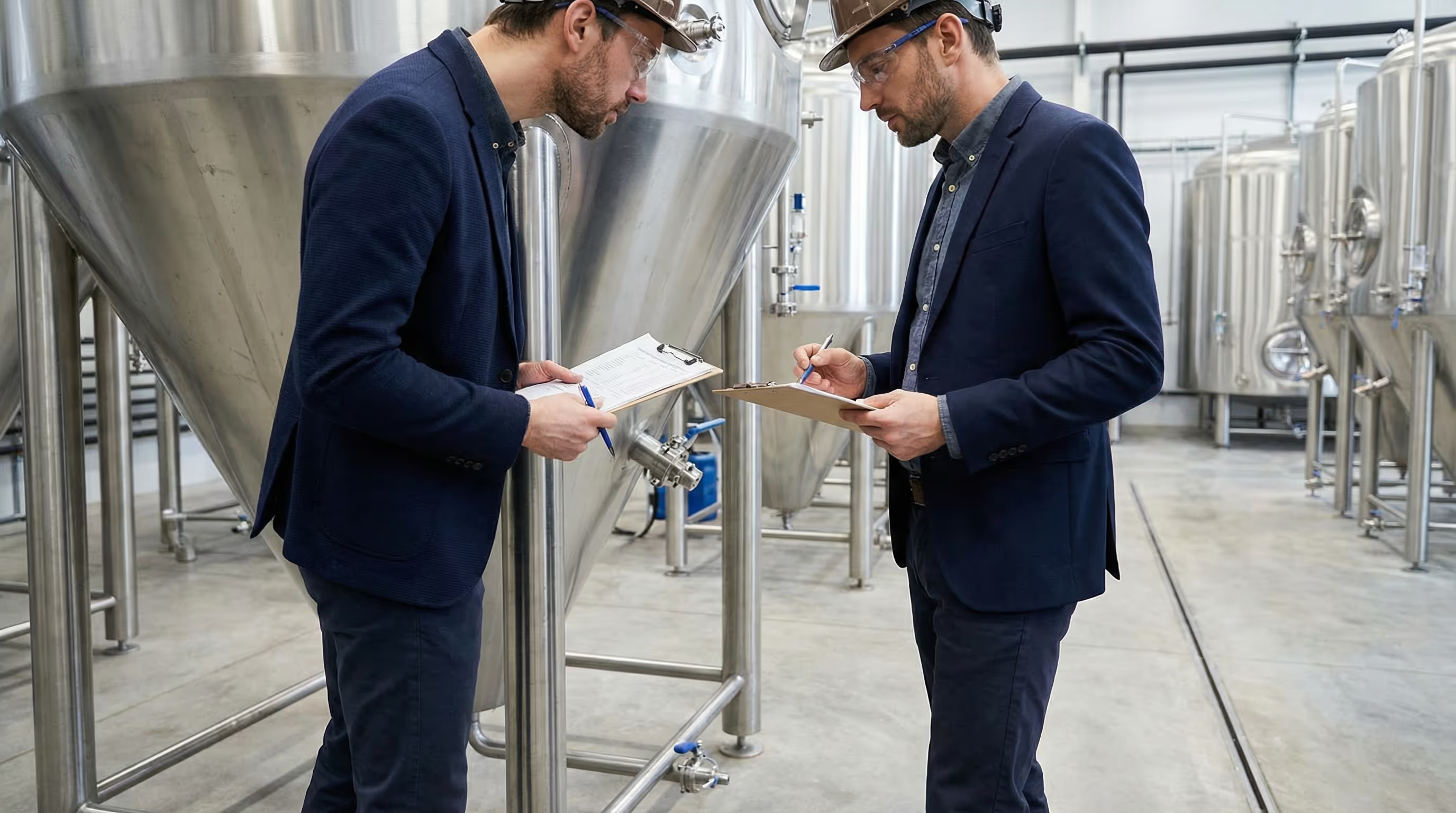
Professional appraiser inspecting brewery equipment

Whether you run a craft brewery, bottling plant, or restaurant with extensive beverage equipment, knowing the exact value of your assets is crucial for making informed business decisions. An accurate beverage equipment appraisal provides the defensible, USPAP-compliant valuation you need for bank financing, insurance coverage, business sales, tax reporting, or legal disputes.

Getting this valuation wrong can cost you thousands in negotiations, leave you underinsured, or create compliance issues with lenders and the IRS. The good news is that with proper preparation and the right appraiser, you can secure an accurate assessment that protects your interests and supports your business goals.

Quick Answer: A beverage equipment appraisal is a professional assessment that determines the fair market value of your brewing, bottling, or beverage production equipment using standardized methods and industry expertise.

In this guide, you'll learn what makes a beverage equipment appraisal accurate, when you need one, how the process works, and what steps you can take to ensure the most reliable results for your specific situation.

What makes beverage equipment appraisals unique

Beverage equipment appraisals require specialized knowledge that goes beyond standard machinery valuation. Your appraiser needs to understand the intricacies of production lines, sanitary design requirements, and how different components work together to create value.

Unlike generic equipment, beverage machinery often involves complex systems where individual pieces depend on each other. A bottling line, for example, includes fillers, cappers, conveyors, and quality control systems that must be evaluated as an integrated unit. The appraiser also considers factors like clean-in-place (CIP) systems, food safety compliance, and energy efficiency standards that directly impact operational value.

Integrated beverage production line with bottling, capping, and labeling equipment

The beverage industry's rapid technological advancement means equipment can become obsolete quickly. An experienced appraiser will assess not just current condition, but also technological relevance, upgrade potential, and market demand for specific equipment types. They'll also understand how production capacity, automation levels, and maintenance requirements affect long-term value. Similar considerations apply when appraising industrial equipment, where integrated systems require comprehensive evaluation.

When you need a professional beverage equipment appraisal

Several business situations require an accurate, defensible equipment valuation. Bank financing represents one of the most common triggers, especially for SBA loans where lenders need verified collateral values. If you're seeking equipment financing or refinancing existing debt, your lender will typically require a current appraisal from a certified professional.

Business transactions also demand precise valuations. Whether you're buying another brewery, selling your operation, or bringing in new partners, accurate equipment values ensure fair negotiations and proper deal structuring. Estate planning and succession planning similarly require current valuations for tax purposes and equitable distribution among heirs.

Insurance scheduling represents another critical use case. Standard commercial policies often have sub-limits for equipment coverage. A professional appraisal helps you schedule high-value items for full replacement cost coverage, ensuring adequate protection against loss or damage.

Important Note: Legal disputes, divorce proceedings, and tax audits may also require independent appraisals that meet specific evidentiary standards and professional compliance requirements.

Finally, internal business planning benefits from regular valuations. Understanding your equipment's current worth helps with depreciation planning, replacement budgeting, and strategic decision-making about upgrades or expansions. For those dealing with estate matters, understanding common challenges in probate appraisal and how to overcome them can be particularly valuable.

How the beverage equipment appraisal process works

A professional appraisal follows a systematic approach designed to produce accurate, defensible results. The process typically begins with an initial consultation where you discuss the appraisal's purpose, scope, and timeline. This helps the appraiser understand what value standard to apply and what level of detail the final report requires.

Document collection comes next, where you'll provide equipment lists, purchase records, maintenance logs, and operational data. The appraiser then conducts either an on-site inspection or detailed virtual assessment, examining each piece of equipment for condition, functionality, and compliance with current standards.

Market research and analysis form the core of the valuation work. The appraiser researches comparable sales, replacement costs, and industry trends to determine appropriate values using recognized appraisal methods. They'll consider factors like age, condition, brand reputation, and technological relevance. Understanding the steps of a proper equipment and machinery appraisal can help you prepare for what's ahead.

The final step involves report preparation and review. You'll receive a comprehensive document detailing the appraiser's findings, methodology, and value conclusions, along with supporting documentation and professional certification.

Preparing for the most accurate appraisal results

Your preparation significantly impacts the appraisal's accuracy and efficiency. Start by creating a comprehensive equipment inventory that includes make, model, year, serial numbers, and original purchase information. Organize maintenance records, repair histories, and any upgrade documentation that demonstrates ongoing care and improvements.

Information TypeExamplesWhy It MattersPurchase DetailsInvoices, contracts, financing recordsEstablishes cost basis and ownershipMaintenance RecordsService logs, parts replacements, inspectionsShows condition and remaining lifeOperational DataUsage hours, production volumes, efficiency metricsIndicates wear and productivity valueCompliance DocumentsCertifications, permits, inspection reportsConfirms regulatory compliance and marketability

Take high-quality photographs of each major piece of equipment, including close-ups of any damage, wear, or recent repairs. Ensure the appraiser has full access to all equipment and can observe it in normal operating conditions when possible.

Appraiser documenting brewery fermentation tanks with maintenance records

Clean and organize your equipment area before the inspection. While this doesn't change the equipment's actual condition, it allows for a more thorough evaluation and demonstrates proper care to the appraiser. For additional guidance, review these tips for ensuring an accurate beverage equipment appraisal.

Choosing the right beverage equipment appraiser

The appraiser you select directly impacts your results' accuracy and defensibility. Look for professionals with specific beverage industry experience who understand production processes, equipment integration, and market dynamics unique to your sector.

Verify professional certifications from recognized organizations like the American Society of Appraisers (ASA) or the American Society of Equipment Appraisers (AMEA). These credentials ensure the appraiser follows Uniform Standards of Professional Appraisal Practice (USPAP) and maintains continuing education requirements. Learn more about why certification matters for appraisers of equipment and machinery.

Ask about their recent beverage equipment appraisal experience and request references from similar businesses. An appraiser who regularly works with breweries, bottling plants, or beverage manufacturers will provide more accurate valuations than someone who occasionally appraises this equipment type. Before making your selection, consider reviewing questions to ask before obtaining a beverage equipment appraisal.

Consider response time and availability, especially if you're working under tight deadlines for financing or business transactions. Experienced appraisers often have busy schedules, so plan accordingly and communicate your timeline clearly.

The investment in a qualified, experienced appraiser pays dividends through more accurate valuations, faster approvals from lenders or insurers, and greater confidence in your business decisions. When your equipment represents hundreds of thousands or millions of dollars in assets, the difference between an accurate and inaccurate appraisal can significantly impact your bottom line. Be sure to avoid common mistakes when getting a beverage equipment appraisal.

Getting an accurate beverage equipment appraisal requires understanding the unique aspects of your industry, proper preparation, and working with qualified professionals. By following the guidance in this article, you'll be well-positioned to secure the reliable valuation your business needs. At AppraiseItNow, our certified appraisers specialize in beverage equipment and provide USPAP-compliant reports accepted by lenders, insurers, and courts nationwide.

Frequently Asked Questions About Beverage Equipment Appraisals

What is a beverage equipment appraisal and why do I need one?

A beverage equipment appraisal is a professional, USPAP-compliant valuation of your brewing, bottling, or beverage production equipment that determines its fair market value using standardized methods and industry expertise. You need one for bank financing, insurance coverage, business sales, tax reporting, or legal disputes to ensure accurate, defensible valuations that protect your interests and support your business goals.

How much does a beverage equipment appraisal cost and how long does it take?

Beverage equipment appraisal costs vary depending on the number and complexity of assets, travel requirements, and report scope, typically ranging from a few hundred dollars for small engagements to several thousand for large, multi-location equipment lists. Most appraisals take anywhere from a few days to several weeks, depending on how quickly you provide documentation and the depth of research needed for specialized equipment.

What documentation do I need to provide for an accurate beverage equipment appraisal?

For an accurate beverage equipment appraisal, you should provide a detailed equipment inventory with make, model, serial numbers, and years; purchase invoices and contracts; maintenance records and repair histories; operational data like usage hours and production volumes; high-quality photographs of equipment; and any compliance documents, certifications, or permits. This documentation helps the appraiser verify condition, evaluate remaining life, and select appropriate market comparables.

How do I choose the right appraiser for my beverage equipment?

Choose a beverage equipment appraiser with specific industry experience who understands production processes, equipment integration, and market dynamics unique to your sector. Verify professional certifications from organizations like ASA or AMEA, ask about recent beverage equipment appraisal experience, request references from similar businesses, and ensure they follow USPAP standards. An experienced appraiser who regularly works with breweries, bottling plants, or beverage manufacturers will provide more accurate valuations than someone who occasionally appraises this equipment type.

Related Appraisals We Offer

Related Articles

BEST-IN-CLASS APPRAISERS, CREDENTIALED BY: