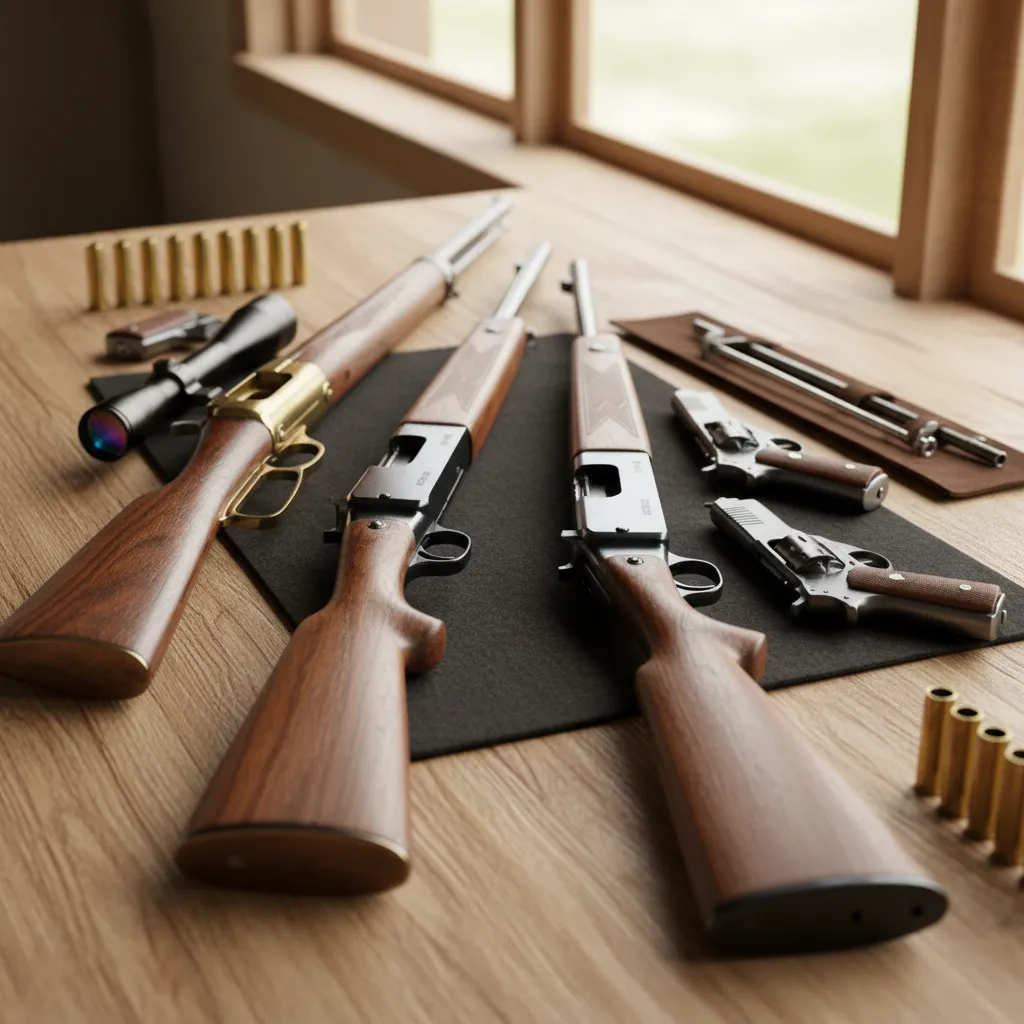
How do appraisers determine what a gun is worth in Alabama?
From completed sales, not asking prices. Fair market value rests on what similar firearms actually sold for in closed transactions on platforms like GunBroker, at major auction houses such as Rock Island, and in dealer archives, matched by make, model, caliber, barrel length, finish, and condition, then adjusted for accessories.
Why would the same firearm carry three different values?
Because the standard changes with the purpose. Replacement value, used for insurance, reflects retail replacement cost and is usually highest; fair market value serves IRS, estate, and donation work; and liquidation value, common in equitable distribution and bankruptcy, runs lowest, often 25 to 30 percent below a normal sale after commissions and fees.
Does Alabama tax firearms that pass through an estate?
No. Alabama has no state estate or inheritance tax, so inherited guns face only the federal estate tax if the overall estate exceeds federal thresholds. Values still matter for probate administration and fair division among heirs, and Alabama courts accept testimony from qualified appraisers since the state does not license personal property appraisers.
Can an Alabama will waive the estate inventory that would list firearms?
Yes. Alabama Code section 43-2-311 lets a testator expressly exempt the executor from filing an inventory or report, though the probate judge or an interested party can override the waiver if the estate appears at risk of waste. Even with a waiver, documented firearm values protect the executor when guns are divided among heirs.
Why do suppressors trade in their own value tier in Alabama?
Because federal law shapes the market. Suppressors are now legal for hunting in Alabama, but acquiring one still requires National Firearms Act compliance, including a $200 tax stamp and months of ATF processing. That friction depresses casual local demand, so NFA items are valued against their own distinct market rather than ordinary firearm comparables.