Which market sets the value of donated coins?
The retail market where a collector buys, not the dealer's buy price. A U.S. Court of Appeals decision cited in numismatic guidance pegs the deductible value to what the coins would sell for from a dealer to a collector, so valuations built on dealer bid sheets systematically understate the allowable deduction.
At what value does a coin donation require a qualified appraisal?
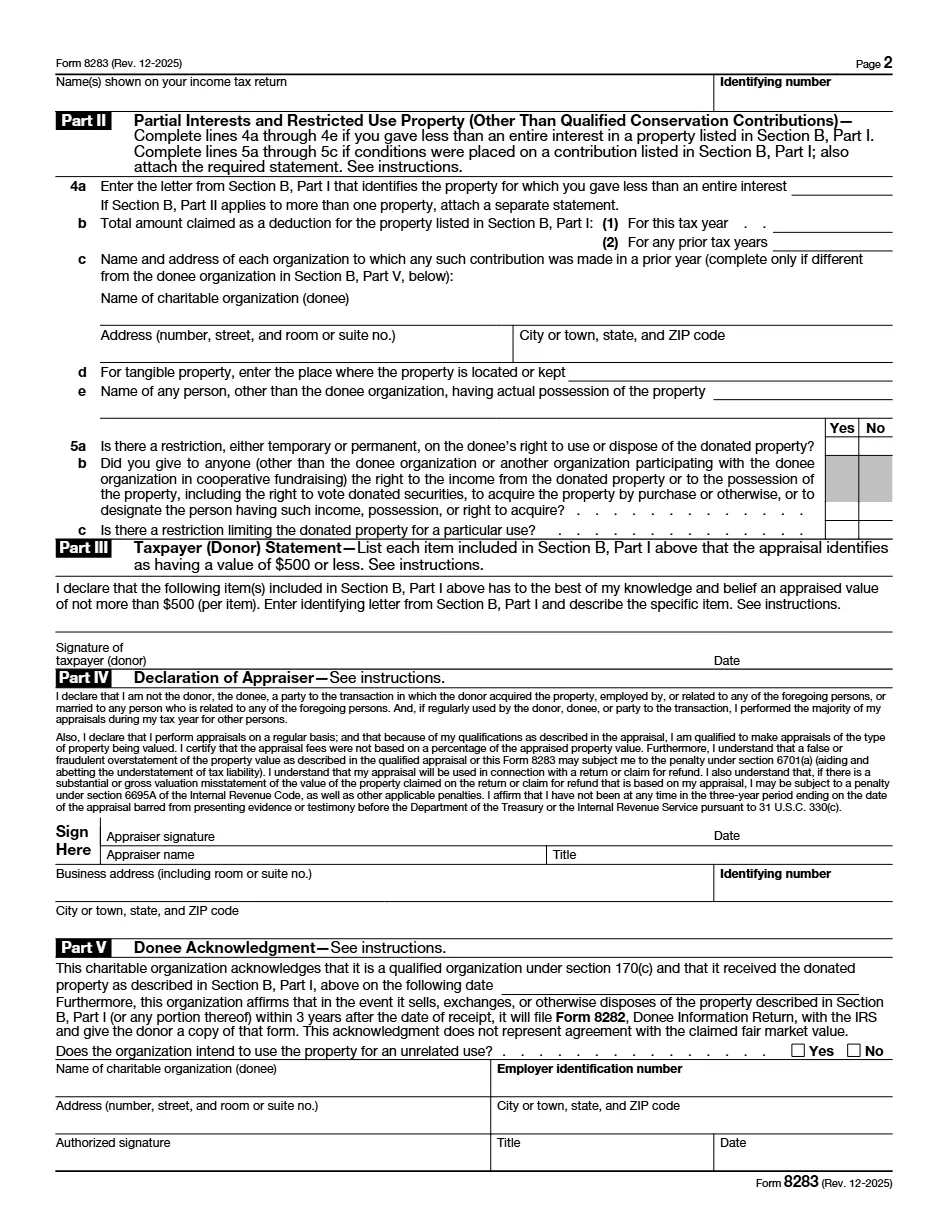
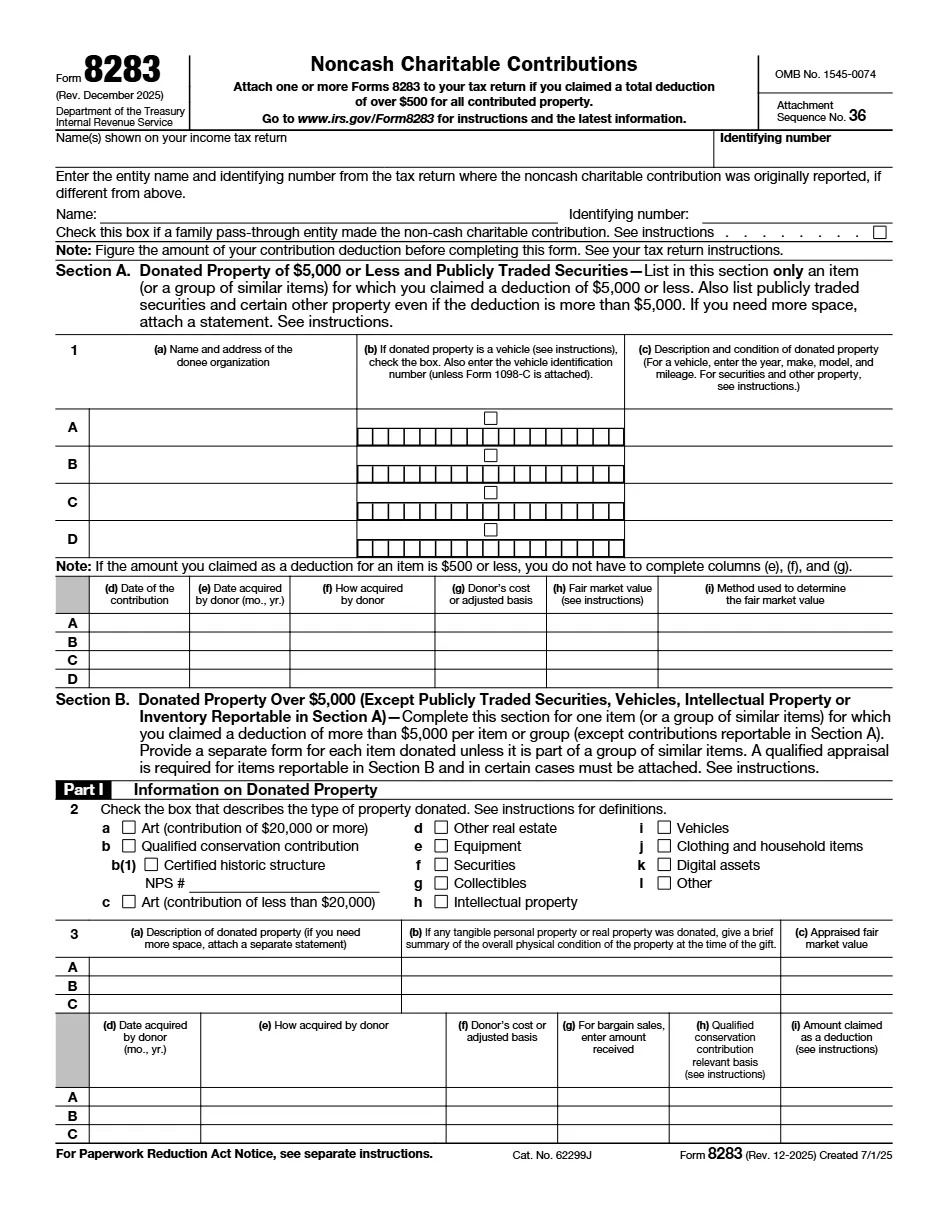
Above $5,000 in claimed deduction for an item or group of similar coins, a qualified appraisal by a qualified appraiser is mandatory, and noncash donations over $500 must be reported on Form 8283. Staying under $5,000 avoids the appraisal requirement but not the obligation to use defensible comparable-sales evidence.
What evidence must support the appraised value?
Coin-specific market data: comparable auction results and dealer retail sales for equivalent pieces. The IRS disallows or adjusts deductions supported only by insurance schedules, generic price-guide catalogs, or unadjusted list prices, and it expects each item or similar-item group to be described at asset level on Form 8283 rather than lumped into one vague line.
Can I just deduct what I originally paid for the coins?
No. The deduction is the fair market value at the time of donation, which for appreciating collectibles may exceed cost and for others may fall below it. Donors also may not deduct amounts attributable to benefits received in return, such as event access or memberships tied to the gift, which must be valued and subtracted.








.jpeg)