
Probate appraisals in New Jersey for personal property, equipment and machinery, fine art, boats and watercraft, and automobiles and vehicles. AppraiseItNow provides credentialed, USPAP-compliant probate appraisals online and onsite across New Jersey, including Newark, Jersey City, and Trenton.






Credentialed, best-in-class appraisers across assets
.avif)
Joe Kattan

Anne Hay, ISA AM

Jason Dolph, CAGA

Ashley Innes, ISA AM

Justin Ramirez, ASA, ABV, CFA

Marnie Erkelens, CAGA

Raymond Ghelardi, ASA

Aron Blue
Frequently Asked
Questions
No Frequently Asked Questions Found.
About Probate Appraisals in New Jersey
AppraiseItNow provides probate appraisals for estates across New Jersey, delivering USPAP-compliant valuations that satisfy the requirements of the New Jersey Superior Court, county surrogates, and the Division of Taxation. Under N.J.S.A. 3B:16-3, personal representatives must file an estate inventory within four months of receiving letters testamentary, and appraisers must value assets at true intrinsic value rather than forced-sale value. For estates subject to federal estate tax, IRS Form 706 requires qualified appraisals for gross estates exceeding $13.99 million, with returns due nine months after the date of death. Our mission is to deliver defensible, USPAP-compliant valuations with exceptional speed, professionalism, and client service.
AppraiseItNow serves clients through both remote and onsite appraisal options, making the process straightforward regardless of where assets are located. Our appraisers in New Jersey are experienced with the state's specific probate requirements and can coordinate directly with attorneys, executors, and surrogates to keep estate administration on track.
What Does AppraiseItNow Appraise for Probate in New Jersey?
AppraiseItNow covers the full range of personal and business assets commonly found in New Jersey estates, including:
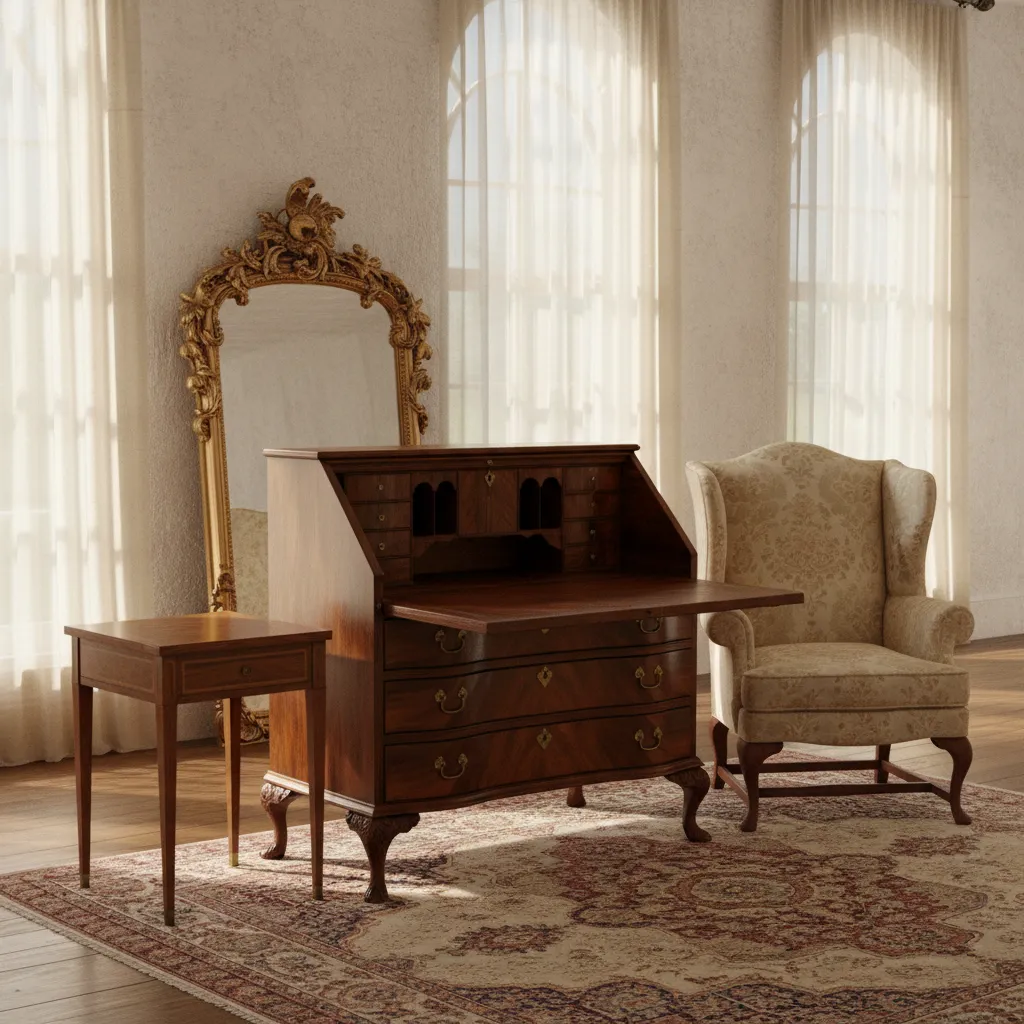
- Personal Property, including jewelry, antiques, furniture, coins, collectibles, and household goods
- Equipment & Machinery, including medical equipment, restaurant equipment, manufacturing machinery, and technology assets
- Fine Art, including paintings, prints, sculpture, photography, and mixed media
- Boats & Watercraft, including sailboats, powerboats, yachts, jet skis, and personal watercraft
- Automobiles & Vehicles, including cars, trucks, motorcycles, RVs, trailers, and classic vehicles
Who Does AppraiseItNow Serve in New Jersey for Probate?
AppraiseItNow works with executors, administrators, estate attorneys, and heirs throughout New Jersey who need accurate, court-ready valuations to settle estates, resolve heir disputes, or satisfy state inheritance tax and federal filing requirements.
5-Star Valuation Services, Loved by Hundreds
Can AppraiseItNow handle probate appraisals in New Jersey?
Yes, AppraiseItNow provides probate appraisals throughout New Jersey, supporting personal representatives, attorneys, and families navigating the estate administration process. Our appraisers are experienced with New Jersey surrogate court requirements and state inheritance tax standards.
What types of assets can be appraised for probate purposes in New Jersey?
We appraise a wide range of personal property and assets for New Jersey probate inventories, including vehicles, jewelry, antiques, collectibles, artwork, furniture, business interests, and equipment. Our appraisers can handle both individual items and large multi-asset estates.
Are AppraiseItNow probate appraisals USPAP compliant?
Yes, all appraisals are completed in accordance with the Uniform Standards of Professional Appraisal Practice (USPAP). This ensures the reports meet the credentialing and methodology standards required by New Jersey surrogate courts and the Division of Taxation.
Why would someone in New Jersey specifically need a probate appraisal?
New Jersey requires a formal estate inventory with appraised values filed with the surrogate's court, typically within four months of letters testamentary or administration being issued. The state also imposes its own inheritance tax, which requires date-of-death valuations for tangible personal property assessed through the Division of Taxation, making accurate appraisals especially important for New Jersey estates.
Can probate appraisals in New Jersey be completed remotely?
Yes, many asset types can be appraised remotely using photographs, descriptions, and supporting documentation submitted through our online platform. For complex or high-value items, an in-person inspection may be recommended to ensure accuracy and court acceptance.
How is pricing determined for a New Jersey probate appraisal?
Fees depend on the asset type and scope of the assignment. Visit our pricing page for ranges or contact us.
How long does a probate appraisal typically take to complete?
Turnaround times vary by asset type:
- Vehicles: 3 to 5 days
- Personal property and equipment: 7 to 10 days
- Artwork: 5 to 7 days for simple projects, 2 to 3 weeks for complex assignments
- Business valuations: 2 to 4 weeks
- Inventory: 2 to 4 weeks
Who actually prepares the appraisal report?
Reports are prepared by credentialed appraisers with relevant expertise in the asset category being valued. Each appraiser follows USPAP standards and produces a report suitable for submission to New Jersey surrogate courts, the Division of Taxation, or other required parties.
Are there specific New Jersey rules that affect how probate appraisals are conducted?
Yes, under N.J.S.A. 3B:16-3, probate appraisers in New Jersey must be disinterested parties unrelated to the heirs, and their appointment requires approval from the Superior Court or surrogate. Appraisers are also required to swear that valuations reflect true intrinsic value at the date of death, not public sale or forced-sale prices.
What information do I need to provide to get started?
To begin, you will need to provide a description of the assets to be appraised, the date of death for valuation purposes, and any supporting documentation such as purchase records, prior appraisals, or photographs. Our team will guide you through the process and let you know if additional details are needed for specific asset types.
Will a New Jersey probate appraisal be accepted by courts, tax authorities, and other agencies?
Our appraisals are prepared to meet the standards required by New Jersey surrogate courts, the Division of Taxation for inheritance tax purposes, and federal agencies. For estates subject to federal estate tax filing using IRS Form 706, our date-of-death valuations are prepared to satisfy those requirements as well.
What value standard do New Jersey probate appraisers use, and how is it different from market value?
Under N.J.S.A. 3B:16-3, probate appraisers in New Jersey must swear to appraise assets at true intrinsic value, without reference to public sale value. This standard focuses on the property's inherent worth at the date of death rather than what it might fetch at a forced or auction sale.
Who appoints and approves probate appraisers in New Jersey, and does the surrogate's court play a role?
The personal representative appoints probate appraisers, but the appointment requires approval from the Superior Court or surrogate. When family exemptions are involved under N.J.S.A. 3B:16-5, the surrogate specifically handles the approval, and the inventory must be filed with the surrogate's court in the decedent's county within three months.
What is the filing deadline for a New Jersey probate inventory that includes appraisals?
The personal representative must file the estate inventory, including appraisals, within four months of receiving letters testamentary or administration, or within six months for out-of-state residents. Extensions of up to 30 days may be granted for good cause, and when family exemptions are being set off, the court may require filing within three months.
Does New Jersey have a small estate option that bypasses the standard probate appraisal process?
Small estate procedures in New Jersey, including the streamlined affidavit process for personal property under N.J.S.A. 3B:10-3, are only available for intestate estates without a will. Estates with a will require full probate administration and standard appraisal inventories, regardless of size, with small estate thresholds set at $50,000 or less with a surviving spouse or partner, or $20,000 or less without.
How do New Jersey probate appraisal deadlines interact with federal estate tax requirements?
New Jersey probate inventories are due within four months of letters being issued, which operates independently of federal estate tax timelines. For estates exceeding the federal threshold and requiring IRS Form 706, date-of-death appraisals must be completed within nine months of death, so coordinating both state and federal timelines early in the process is important.
How does New Jersey handle appraisals of tangible personal property versus intangible assets for inheritance tax purposes?
Under N.J. Admin. Code Section 18:26-8.1, tangible personal property is appraised by a Division of Taxation representative from the local jurisdiction where the decedent lived or owned property. Intangible personal property, such as financial accounts or securities, is handled separately by an auditor at the Transfer Inheritance Tax Branch.
APPRAISEITNOW APPRAISERS ARE BEST-IN-CLASS & CREDENTIALED BY LEADING APPRAISAL ORGANIZATIONS LIKE THE ISA, ASA, & MORE.




