Texas Estate Tax Appraisers

Estate Tax appraisals in Texas for personal property, equipment and machinery, fine art, business interests, boats and watercraft, and automobiles and vehicles. AppraiseItNow provides credentialed, USPAP-compliant Estate Tax appraisals online and onsite across Texas, including Houston, Dallas, and San Antonio.

⚡‍Get an instant response

Thank you! Your submission has been received!
Oops! Something went wrong while submitting the form.
Estate Tax Appraisal Cartoon Image from AppraiseItNow
Nationwide Service
Onsite or Online
USPAP-Compliant
IRS Qualified
DEFENSIBLE, USPAP-COMPLIANT APPRAISAL REPORTS — ACCEPTED BY 10,000+ ORGANIZATIONS

Credentialed, best-in-class appraisers across assets

Joe Kattan

Anne Hay, ISA AM

Jason Dolph, CAGA

Ashley Innes, ISA AM

Justin Ramirez, ASA, ABV, CFA

Marnie Erkelens, CAGA

Raymond Ghelardi, ASA

Aron Blue

Frequently Asked
Questions

No Frequently Asked Questions Found.

About Estate Tax Appraisals in Texas

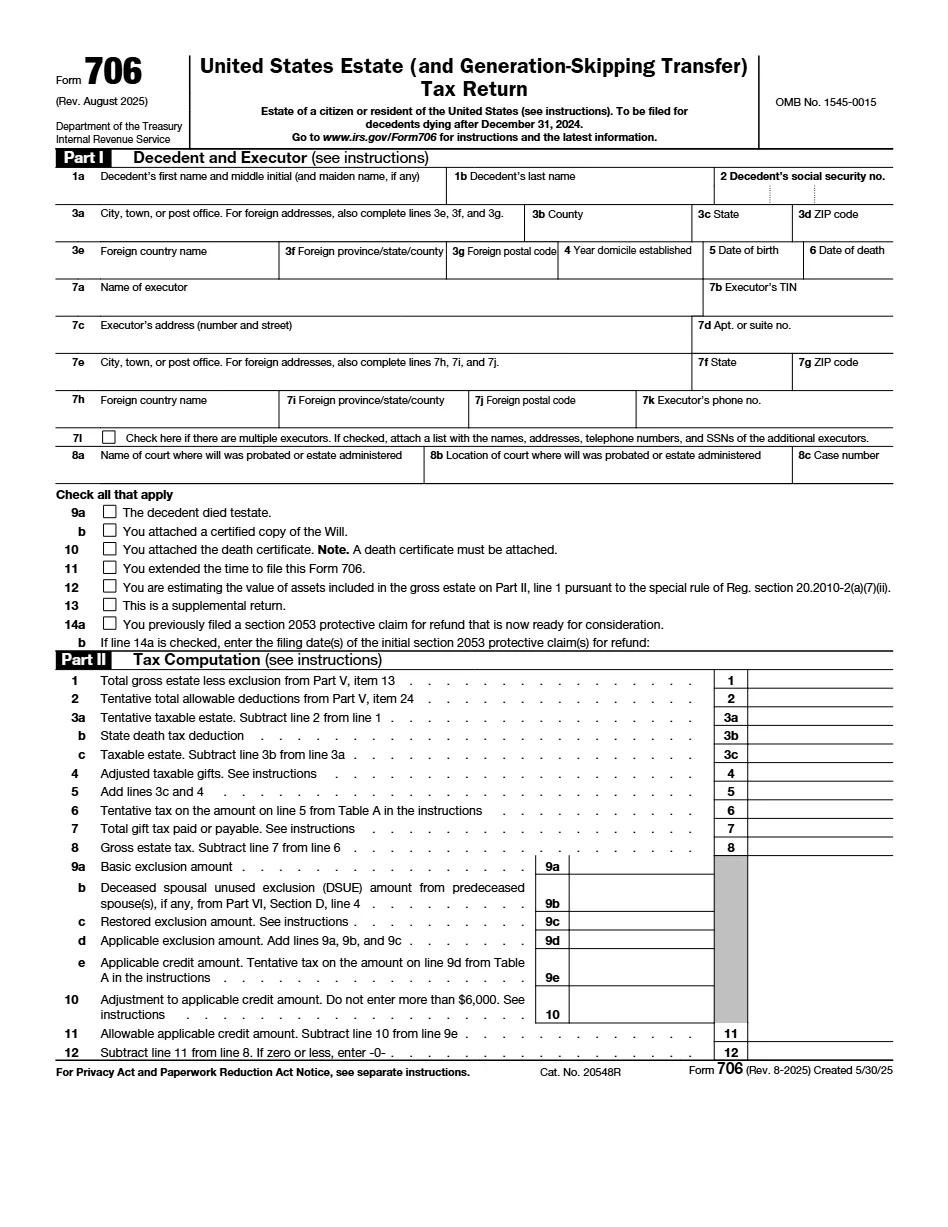
AppraiseItNow provides estate tax appraisal services for Texas estates requiring defensible fair market valuations as of the date of death. Texas has no state estate tax, so appraisals here primarily support federal compliance, including IRS Form 706 filings for estates exceeding the federal exemption threshold (currently $13.61 million for 2024). Executors and estate attorneys rely on qualified, USPAP-compliant appraisals to substantiate reported values and avoid IRS penalties of 20% to 40% for substantial valuation understatements. Our mission is to deliver defensible, USPAP-compliant valuations with exceptional speed, professionalism, and client service.

AppraiseItNow serves clients throughout the state with both online and onsite appraisal options, making the process straightforward regardless of where assets are located. Learn more about our full range of appraisal services in Texas and how we can support your estate's specific needs.

What Does AppraiseItNow Appraise for Estate Tax in Texas?

We cover all major asset classes commonly found in Texas estates, including:

  • Personal Property, including jewelry, antiques, furniture, coins, collectibles, and household goods
  • Equipment & Machinery, including medical equipment, restaurant equipment, manufacturing machinery, and technology assets
  • Fine Art, including paintings, prints, sculpture, photography, and mixed media
  • Business Interests, including LLCs, S-corps, partnerships, fractional interests, and privately held stock
  • Boats & Watercraft, including sailboats, powerboats, yachts, jet skis, and personal watercraft
  • Automobiles & Vehicles, including cars, trucks, motorcycles, RVs, trailers, and classic vehicles

Who Does AppraiseItNow Serve in Texas for Estate Tax?

We work with executors, estate attorneys, CPAs, and trustees managing Texas estates that require qualified appraisals for IRS Form 706 filings, probate inventory requirements, or beneficiary distributions involving complex or high-value assets.

5-Star Valuation Services, Loved by Hundreds

Was very impressed from start to finish with the level of communication, promptness, and professionalism. Aron and Joe made the appraisal process easy and painless. Highly recommend.

I recommend AppraiseItNow Inc. highly. I needed an appraisal of fair market value for geologic laboratory equipment for charitable donations to three universities. The unique items and limited secondary market complicated the valuation. They provided a sound, verifiable estimate and the 8283 forms that I was able to use in my tax filings. I would use them again.

AppraiseItNow did an outstanding job appraising my 1998 Bobcat Skid Steer and circa 2010 Yuchai Crawler Dozer. We could not locate a serial number on the dozer, and there were no online sales available, but they were still able to develop an accurate appraisal using known specifications for my dozer compared to other comparable make and model dozers. They diligently researched both equipment items and provided well-documented reports.

Friendly, speedy service with fair value.

I needed an IRS-qualified appraisal for an unusual and costly piece of medical equipment. AppraiseItNow was able to provide me exactly what I needed on a timely basis. The personnel at the company are very friendly and helpful. I would definitely use them again.

Joe and Aron were extremely impressive - the entire process went very smoothly. They were always quick to respond to any questions I had and could not have been more helpful. They were aware of some tight time restrictions I had and made sure I received my reports in a timely fashion. I highly recommend them to anyone needing a valuation.

Frequently Asked Questions

Can AppraiseItNow handle estate tax appraisals in Texas?

Yes, AppraiseItNow provides estate tax appraisals throughout Texas, covering a wide range of asset types for both probate inventory purposes and federal IRS Form 706 filings. Our appraisers are experienced with the specific valuation requirements that apply to Texas estates.

What kinds of assets can be appraised for estate tax purposes?

AppraiseItNow appraises a broad range of assets commonly found in Texas estates, including vehicles, machinery and equipment, business interests, oil and gas interests, ranch and agricultural assets, artwork, jewelry, antiques, and other personal property. Each appraisal is tailored to the asset type and the valuation standard required for estate tax compliance.

Are your estate tax appraisals USPAP compliant?

Yes, all appraisals prepared by AppraiseItNow follow the Uniform Standards of Professional Appraisal Practice, known as USPAP. USPAP compliance is required by the IRS for qualified appraisals submitted with IRS Form 706, and our reports are prepared to meet that standard.

Why would someone in Texas specifically need an estate tax appraisal?

Texas estates frequently include complex asset types such as oil and gas interests, working ranches, agricultural land, and business holdings, all of which require specialized valuation for accurate IRS Form 706 reporting. When an estate exceeds the federal exemption threshold, currently $13.61 million in 2024, a qualified appraisal is essential to substantiate reported values and withstand IRS scrutiny.

Can estate tax appraisals be completed remotely for Texas clients?

Yes, AppraiseItNow offers remote and online appraisal services for clients across Texas, including those in rural areas or smaller markets. Many asset types can be appraised using photographs, documentation, and other submitted materials without requiring an in-person visit.

How is pricing determined for an estate tax appraisal in Texas?

Fees depend on the asset type and the scope of the appraisal engagement. Visit our pricing page for ranges or contact us directly.

How long does an estate tax appraisal typically take to complete?

Turnaround times vary by asset type:

  • Vehicles: 3 to 5 days
  • Personal property and equipment: 7 to 10 days
  • Artwork: 5 to 7 days for simple projects, 2 to 3 weeks for complex assignments
  • Business valuations: 2 to 4 weeks
  • Inventory: 2 to 4 weeks

Who actually prepares the appraisal report?

Reports are prepared by qualified appraisers with relevant credentials and experience in the specific asset category being valued. AppraiseItNow matches each engagement to an appraiser whose background aligns with the asset type and the requirements of IRS Form 706.

Are there Texas-specific rules that affect how estate tax appraisals are conducted?

Texas probate law requires the personal representative to file an Inventory, Appraisement, and List of Claims within 90 days of court appointment, using fair market values as of the date of death. In dependent administration, courts often require independent appraisers for significant assets to protect beneficiaries, while independent administration gives executors more flexibility, though formal appraisals are still strongly advisable for estates subject to federal estate tax.

What information do I need to provide to get started?

To begin an estate tax appraisal, you will typically need to provide a description of each asset, the decedent's date of death, any existing documentation such as titles, account statements, or prior appraisals, and contact information for the executor or estate attorney. The more detail you can share upfront, the faster we can match you with the right appraiser and begin the engagement.

Will the appraisal be accepted by the IRS and Texas probate courts?

AppraiseItNow's reports are prepared to meet IRS qualified appraisal requirements under USPAP, making them suitable for submission with IRS Form 706. They are also structured to support Texas probate court filings, including the Inventory, Appraisement, and List of Claims required under the Texas Estates Code.

Does Texas require formal appraisals for all probate estates, or only those subject to federal estate tax?

Texas law does not automatically require formal independent appraisals for every probate estate. However, for estates exceeding the federal exemption threshold, a qualified appraisal is necessary to support IRS Form 706 and withstand IRS review, and courts in dependent administration proceedings often mandate independent appraisers for significant assets.

Can executors in Texas use informal tools like online valuations instead of a formal appraisal?

In Texas independent administration, executors have broad authority to determine fair market values using informal methods for the probate inventory, but those approaches carry real risk when the estate is subject to federal estate tax. The IRS can challenge informal valuations on IRS Form 706, making a qualified appraisal the far safer choice for larger estates.

How do Texas appraisal district records factor into estate tax appraisals?

Probate appraisers often reference Texas appraisal district records for consistency when valuing assets on the Inventory, Appraisement, and List of Claims, but those records do not control the outcome. IRS Form 706 requires fair market value at the date of death under USPAP standards, which is an individualized determination that may differ from mass-assessed ad valorem values.

How do Texas homestead tax provisions affect estate tax appraisals?

Texas homestead tax ceilings and deferred tax provisions can appear in appraisal district records and are sometimes referenced by appraisers for context, but they do not alter the fair market value determination required for IRS Form 706. The IRS requires a standalone valuation at the date of death, and state tax relief programs do not reduce what a willing buyer would pay for the asset.

What are the key filing deadlines for Texas probate inventory and IRS Form 706?

The Texas Estates Code requires the personal representative to file the Inventory, Appraisement, and List of Claims within 90 days of court appointment, with extensions available by court motion. IRS Form 706 is due 9 months after the decedent's date of death, with a possible extension using IRS Form 4768, so the probate inventory deadline typically comes first and helps establish early documentation for the federal filing.

Do Texas estates with oil, gas, or ranch assets need locally grounded appraisals for IRS Form 706?

Yes, for Texas estates exceeding the federal exemption threshold, appraisals of oil and gas interests and ranch assets must incorporate local market data, such as comparable sales, income approaches, and current energy market conditions. The IRS requires qualified appraisals under USPAP for these specialized asset types, and appraisers routinely reference Texas-specific factors to support the values reported on IRS Form 706.

APPRAISEITNOW APPRAISERS ARE BEST-IN-CLASS & CREDENTIALED BY LEADING APPRAISAL ORGANIZATIONS LIKE THE ISA, ASA, & MORE.