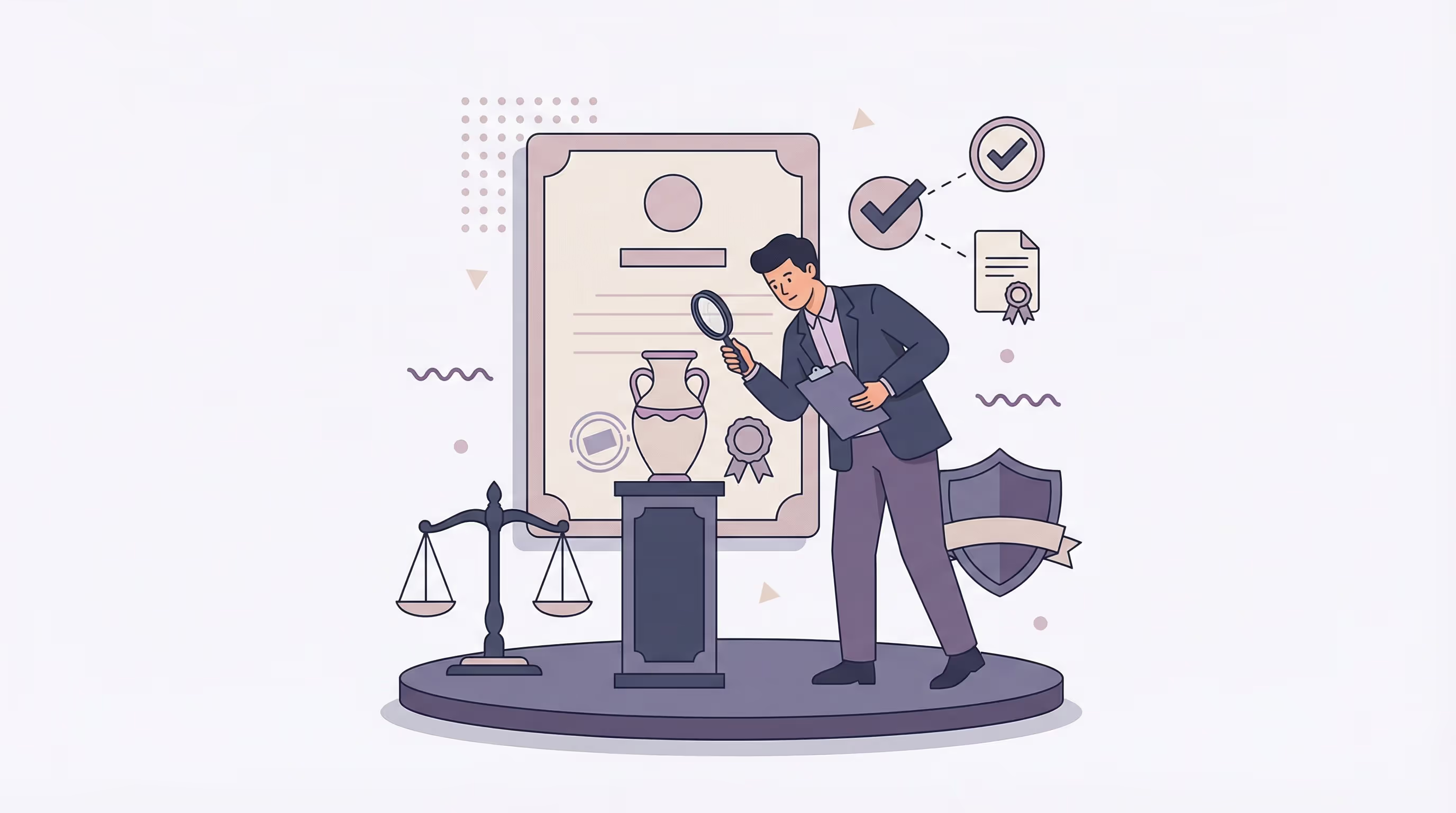
Why Expert Probate Appraisals Are Essential for Estate Settlement

Last Updated on Dec 28, 2025
Originally Published on Dec 28, 2025
Thank you! Your submission has been received!
Oops! Something went wrong while submitting the form.
Nationwide Service
Onsite or Online
USPAP-Compliant
IRS Qualified
DEFENSIBLE, USPAP-COMPLIANT APPRAISAL REPORTS — QUALIFIED FOR THE IRS, INSURANCE AGENGIES, LENDERS, AND MORE.
Professional appraiser examining estate documents and valuables

When a loved one passes away, settling their estate becomes a complex process that requires careful attention to detail. One of the most critical steps involves determining the accurate value of all assets through a probate appraisal. This professional assessment ensures fair distribution among heirs and proper tax compliance.

A probate appraisal is a specialized valuation conducted by certified professionals to determine the fair market value of a deceased person's assets at the time of death. Unlike standard property appraisals, probate appraisals must meet specific legal requirements and deadlines set by probate courts.

Key Insight: According to probate courts, estates with assets exceeding $166,250 typically require professional appraisals to ensure accurate valuation and proper distribution.

Understanding the probate appraisal process helps executors navigate their responsibilities while protecting beneficiaries' interests. This guide explores why expert probate appraisals are essential and how they benefit everyone involved in estate settlement.

Understanding Probate Appraisals and Their Legal Requirements

A probate appraisal serves as an official assessment of an estate's total value for legal and tax purposes. The process involves a certified appraiser examining all assets and providing detailed documentation that courts can rely on for estate settlement decisions.

The appraisal must be completed within specific timeframes, typically 30 to 120 days after the executor's appointment, depending on state requirements. This deadline ensures the estate settlement process moves forward without unnecessary delays.

Courts require these appraisals to establish a baseline value for estate taxes, creditor claims, and asset distribution. The appraiser's report becomes part of the official court record and must meet Uniform Standards of Professional Appraisal Practice (USPAP) guidelines.

Estate assets being cataloged including real estate, jewelry and artwork

Professional appraisers bring specialized knowledge of market conditions, asset types, and legal requirements that ensure accurate valuations. Their expertise helps prevent disputes and provides confidence that the estate is being handled properly. For executors new to this responsibility, understanding the importance of probate appraisal can help clarify their fiduciary duties.

Types of Assets That Require Professional Valuation

Estate assets encompass a wide range of property types, each requiring specific valuation expertise. Real estate typically represents the largest portion of most estates and needs careful assessment of current market conditions, property condition, and local comparable sales.

Personal property includes jewelry, artwork, antiques, furniture, and collectibles. These items often have sentimental value that differs significantly from market value, making professional assessment crucial for fair distribution. If you've recently inherited art and antiques, understanding proper valuation becomes even more critical.

Asset CategoryValuation MethodTypical TimelineReal EstateComparative Market Analysis7-14 daysPersonal PropertyMarket Research & Inspection3-7 daysBusiness InterestsIncome/Asset Approach14-30 daysVehicles/EquipmentIndustry Guides & Condition1-3 days

Business interests, investment accounts, and intellectual property require specialized knowledge to assess properly. Each asset type has unique factors that influence value, from market trends to condition and rarity.

Important Note: Hidden assets like safety deposit boxes, offshore accounts, or undisclosed investments can significantly impact estate value and must be thoroughly investigated during the appraisal process.

The comprehensive nature of estate appraisals ensures nothing is overlooked, protecting both the estate and its beneficiaries from potential legal issues or tax penalties. Learning how to prepare for an estate appraisal can streamline this process significantly.

Key Benefits of Hiring Qualified Probate Appraisers

Professional probate appraisers provide accuracy that protects all parties involved in estate settlement. Their training and certification ensure valuations meet legal standards and can withstand scrutiny from courts, tax authorities, or challenging beneficiaries.

Experienced appraisers understand local markets and current trends that affect asset values. They know which factors increase or decrease value and can identify items that might be worth more than initially apparent.

The unbiased nature of professional appraisals helps prevent family disputes by providing objective valuations that all parties can trust. This neutrality is especially important when emotions run high during the grieving process. For families looking to divide inherited personal property fairly among siblings, professional appraisals provide the objective foundation needed.

Certified appraiser presenting detailed valuation report to estate executor

Qualified appraisers also provide valuable guidance to executors who may be unfamiliar with the probate process. They can explain valuation methods, answer questions about specific assets, and help ensure all legal requirements are met.

Their detailed reports include photographs, descriptions, and market analysis that support the stated values. This documentation becomes crucial if the estate faces audits, legal challenges, or insurance claims.

Navigating Common Probate Appraisal Challenges

Estate appraisals often reveal unexpected complexities that require professional expertise to resolve. Market volatility can affect asset values between the date of death and the appraisal, requiring adjustments to ensure accuracy.

Some assets may be difficult to locate or access, particularly if the deceased was private about their holdings. Professional appraisers know how to conduct thorough searches and work with financial institutions to uncover all assets.

Condition issues with real estate or personal property can significantly impact values. Appraisers assess these factors objectively and document how they affect the final valuation.

Pro Tip: If the appraised value seems lower than expected, consider getting a second opinion from another certified appraiser, especially for unique or high-value items that may require specialized expertise.

Family disagreements about asset values are common, but professional appraisals provide the objective foundation needed to resolve disputes fairly. The appraiser's credentials and methodology give their opinions legal weight that family estimates cannot match.

Time constraints can create pressure, but rushing the appraisal process often leads to errors or oversights. Professional appraisers work efficiently while maintaining thoroughness to meet court deadlines without compromising accuracy. Avoiding common mistakes when appraising an estate can save time and prevent costly errors.

Professional probate appraisals represent an essential investment in proper estate settlement. They provide the accuracy, objectivity, and legal compliance needed to protect everyone's interests while honoring the deceased's wishes. By working with qualified appraisers, executors can navigate the complex probate process with confidence, knowing they have fulfilled their fiduciary responsibilities and provided fair treatment to all beneficiaries. For a comprehensive overview, review the complete estate settlement checklist for executors to ensure nothing is overlooked.

FAQ

What is a probate appraisal and when is it required?

A probate appraisal is a certified valuation of a deceased person's estate assets conducted by qualified professionals to determine fair market value at the time of death. It's typically required for estates exceeding $166,250 and must be completed within 30-120 days of the executor's appointment, depending on state requirements. The appraisal ensures proper asset distribution, tax compliance, and meets legal standards for court acceptance.

What types of assets require professional probate appraisal?

Probate appraisals cover a wide range of assets including real estate, personal property (jewelry, artwork, antiques, furniture), business interests, vehicles, investment accounts, and collectibles. Each asset type requires specific valuation expertise - real estate needs comparative market analysis, while personal property requires market research and physical inspection. Professional appraisers ensure accurate valuations for all asset categories.

Why should I hire a qualified probate appraiser instead of estimating values myself?

Qualified probate appraisers provide unbiased, legally defensible valuations that meet USPAP standards and court requirements. They have specialized knowledge of market conditions, asset types, and legal requirements that prevent disputes and protect executors from liability. Their detailed reports with photographs and market analysis can withstand scrutiny from courts, tax authorities, and challenging beneficiaries, while family estimates lack legal weight.

What happens if the probate appraisal value is lower than expected?

If appraised values seem lower than expected, you can request a second opinion from another certified appraiser, especially for unique or high-value items requiring specialized expertise. However, accurate professional valuations protect the estate from overpayment of taxes and ensure fair distribution among beneficiaries. The appraiser's methodology and credentials provide objective foundation that emotional or sentimental estimates cannot match.

Related Appraisals We Offer

Related Articles

APPRAISEITNOW APPRAISERS ARE BEST-IN-CLASS & CREDENTIALED BY LEADING APPRAISAL ORGANIZATIONS LIKE THE ISA, ASA, & MORE.