You're about to trade in an older combine harvester, but the dealer's offer seems low. Or maybe you're applying for an equipment loan and the bank wants official documentation of your machinery's value. These situations highlight a critical question many farmers face: when do you need a professional farm equipment appraisal?
A farm equipment appraisal is a formal evaluation that determines the fair market value of agricultural machinery based on condition, age, usage, and current market conditions. Unlike dealer quotes or online estimates, professional appraisals provide USPAP-compliant reports that banks, insurance companies, courts, and the IRS accept as defensible documentation.
Quick Answer: You typically need a professional farm equipment appraisal when using machinery as loan collateral, during estate planning or divorce proceedings, for insurance claims, or when buying/selling high-value equipment where accuracy matters most.
The stakes are higher than you might think. Without proper valuation, you could face underinsurance gaps during claims, disputes with lenders over collateral values, or costly mistakes during asset division. This guide will show you exactly when to hire a farm equipment appraiser and how to choose one who delivers reliable, defensible results.
Getting your equipment's value wrong can cost you thousands of dollars in multiple ways. When you're underinsured, a total loss claim might leave you with a significant gap between what you receive and what you need to replace essential machinery. Similarly, using outdated or inaccurate valuations for loan collateral can result in rejected applications or unfavorable terms.

The consequences extend beyond immediate financial impact. During estate planning, inaccurate valuations can trigger family disputes or IRS audits. In divorce proceedings, one party might unknowingly accept less than their fair share of marital assets. Business partnerships face similar risks when equipment values aren't properly documented during buy-outs or restructuring.
Professional appraisals provide the documentation you need to avoid these costly mistakes and make confident decisions about your agricultural assets.
Several situations require professional appraisal services rather than informal estimates or dealer quotes. Understanding when you need a professional farm equipment appraisal helps you plan ahead and avoid last-minute scrambling for documentation.
Financing and loan applications represent the most common need for formal appraisals. Banks and credit unions require USPAP-compliant valuations when equipment serves as collateral for operating loans, equipment financing, or line-of-credit applications. The lender needs defensible documentation that the collateral value supports the loan amount.
Estate planning and probate situations also demand professional valuations. When farm equipment passes to heirs, accurate appraisals ensure fair distribution and provide the documentation needed for tax filings. Executors rely on these valuations to make informed decisions about keeping, selling, or distributing machinery among beneficiaries.
Important Note: The IRS requires qualified appraisals for charitable donations of farm equipment valued over $5,000, and these appraisals must be completed by certified professionals with appropriate credentials.
Insurance coverage and claims often require formal appraisals, especially for specialty or high-value equipment. Standard farm policies may not adequately cover precision agriculture technology, vintage tractors, or custom-built implements without proper documentation of their replacement value.
Business transactions including partnerships, mergers, or sales need accurate equipment valuations to establish fair terms. Whether you're buying into an existing operation or selling your farm business, professional appraisals provide the neutral, third-party documentation that protects all parties involved.
Not all appraisers are qualified to value farm equipment accurately. The complexity of agricultural machinery requires specific expertise and credentials that general appraisers may lack.
Look for appraisers with professional designations from recognized organizations like the American Society of Appraisers (ASA) or the American Machinery and Equipment Appraisers (AMEA). These credentials indicate formal training in valuation methodology and ongoing education requirements.
USPAP compliance is non-negotiable for most formal purposes. The Uniform Standards of Professional Appraisal Practice set the minimum requirements for appraisal reports that banks, courts, and government agencies will accept. Your appraiser should explicitly state their USPAP compliance and provide reports that meet these standards.
Industry experience matters significantly when appraising farm equipment. An appraiser who regularly works with agricultural machinery understands the factors that affect value in farming operations. They know how field hours, maintenance history, and seasonal usage patterns impact equipment worth in ways that general machinery appraisers might miss. Understanding what sets professional farm equipment appraisers apart can help you make an informed decision.

Farm equipment appraisal costs vary based on several factors, but understanding typical ranges helps you budget appropriately. Most appraisers charge either per-item fees or project-based rates depending on the scope of work involved.
Single-item appraisals for tractors or combines typically range from $400 to $800, while comprehensive farm appraisals covering multiple pieces of equipment may cost $1,500 to $3,500. Geographic location, equipment complexity, and urgency affect these base rates. For more details on pricing, review the cost of farm equipment appraisal.
Timeline considerations are equally important for planning purposes. Standard appraisals usually take 5 to 10 business days from inspection to final report delivery. Rush orders are possible but often carry premium fees of 25% to 50% above standard rates.
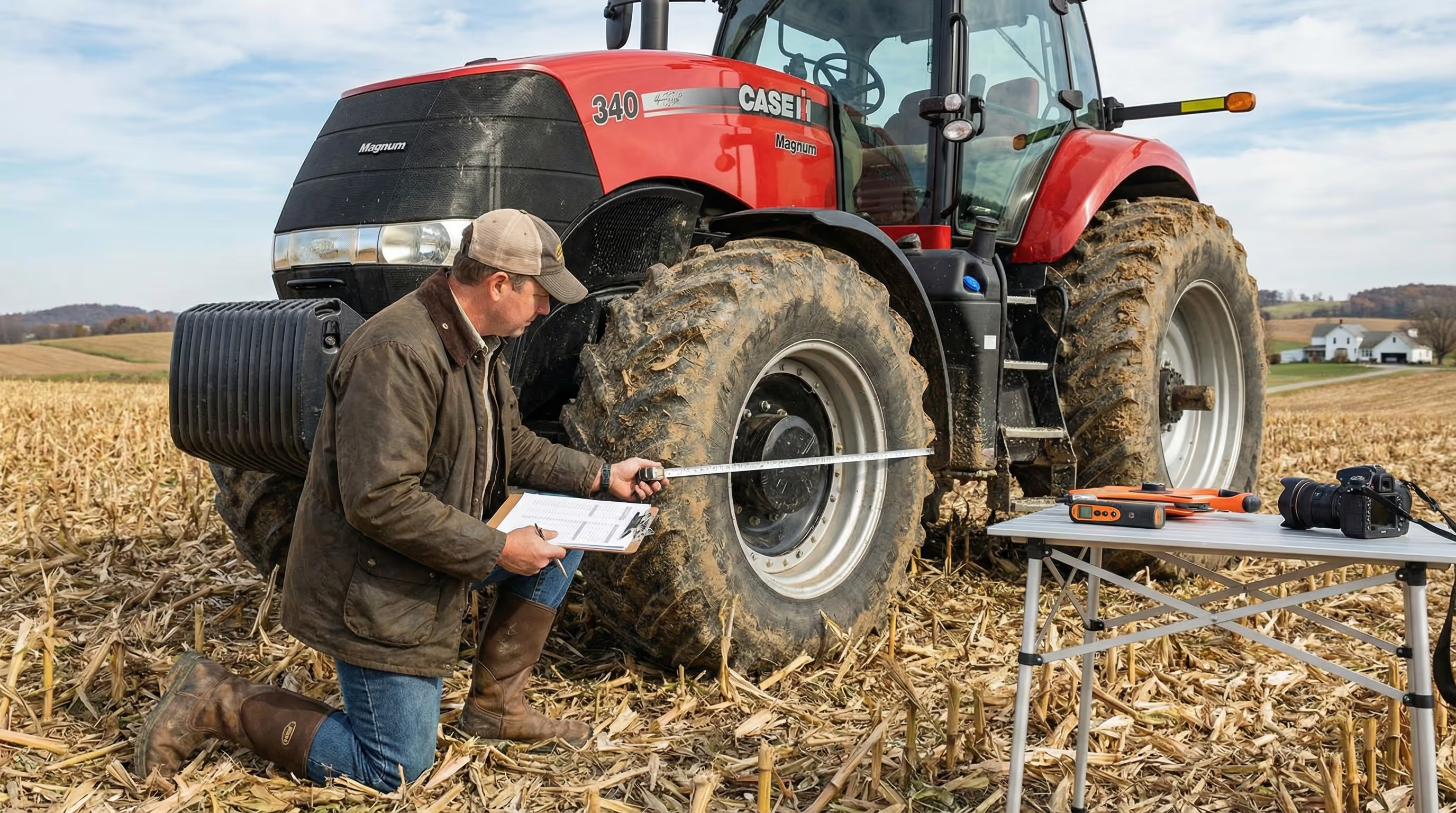
The appraisal process involves scheduling an on-site inspection, documenting equipment condition and specifications, researching comparable sales data, and preparing the final report. Desktop appraisals using photos and documentation can reduce costs and timelines but may not be accepted for all purposes.
FactorImpact on CostWhat You ControlNumber of itemsHigher volume = lower per-item costGroup appraisals when possibleLocation accessibilityRemote locations increase travel costsSchedule efficientlyDocumentation qualityComplete records reduce research timeGather maintenance logs and purchase recordsReport complexitySpecialized purposes may require additional analysisClarify intended use upfront
Getting started with your farm equipment appraisal is straightforward when you work with qualified professionals. The process begins with a consultation to understand your specific needs and determine the appropriate type of appraisal for your situation. Before moving forward, make sure you know the essential questions to ask your farm equipment appraiser and review common mistakes to avoid during a farm equipment appraisal.
At AppraiseItNow, our certified appraisers specialize in agricultural equipment and provide USPAP-compliant reports accepted by banks, insurance companies, and courts nationwide. We offer both on-site and online appraisal options to meet your timeline and budget requirements while maintaining the highest standards of accuracy and professionalism.
Contact us today to discuss your farm equipment appraisal needs and receive a transparent quote based on your specific requirements. Our experienced team will guide you through the process and deliver the defensible documentation you need for confident decision-making.
You should hire a farm equipment appraiser when using machinery as loan collateral, during estate planning or divorce proceedings, for insurance claims, or when buying/selling high-value equipment. Other common situations include business partnerships, tax reporting, and any time you need defensible documentation of equipment value for legal or financial purposes.
Single-item appraisals for tractors or combines typically range from $400 to $800, while comprehensive farm appraisals covering multiple pieces of equipment may cost $1,500 to $3,500. Factors affecting cost include the number of items, geographic location, equipment complexity, and urgency of the appraisal.
Look for appraisers with professional designations from recognized organizations like the American Society of Appraisers (ASA) or the American Machinery and Equipment Appraisers (AMEA). They must be USPAP-compliant and have specific experience with agricultural machinery to understand factors like field hours, maintenance history, and seasonal usage patterns that affect equipment value.
Standard appraisals usually take 5 to 10 business days from inspection to final report delivery. The process involves scheduling an on-site inspection, documenting equipment condition and specifications, researching comparable sales data, and preparing the final report. Rush orders are available but typically carry premium fees of 25% to 50% above standard rates.