When to Get a Professional Farm Equipment Appraisal

Last Updated on Jul 30, 2025
Originally Published on Jul 30, 2025
Thank you! Your submission has been received!
Oops! Something went wrong while submitting the form.
Nationwide Service
Onsite or Online
USPAP-Compliant
IRS Qualified
DEFENSIBLE, USPAP-COMPLIANT APPRAISAL REPORTS — ACCEPTED BY 10,000+ ORGANIZATIONS
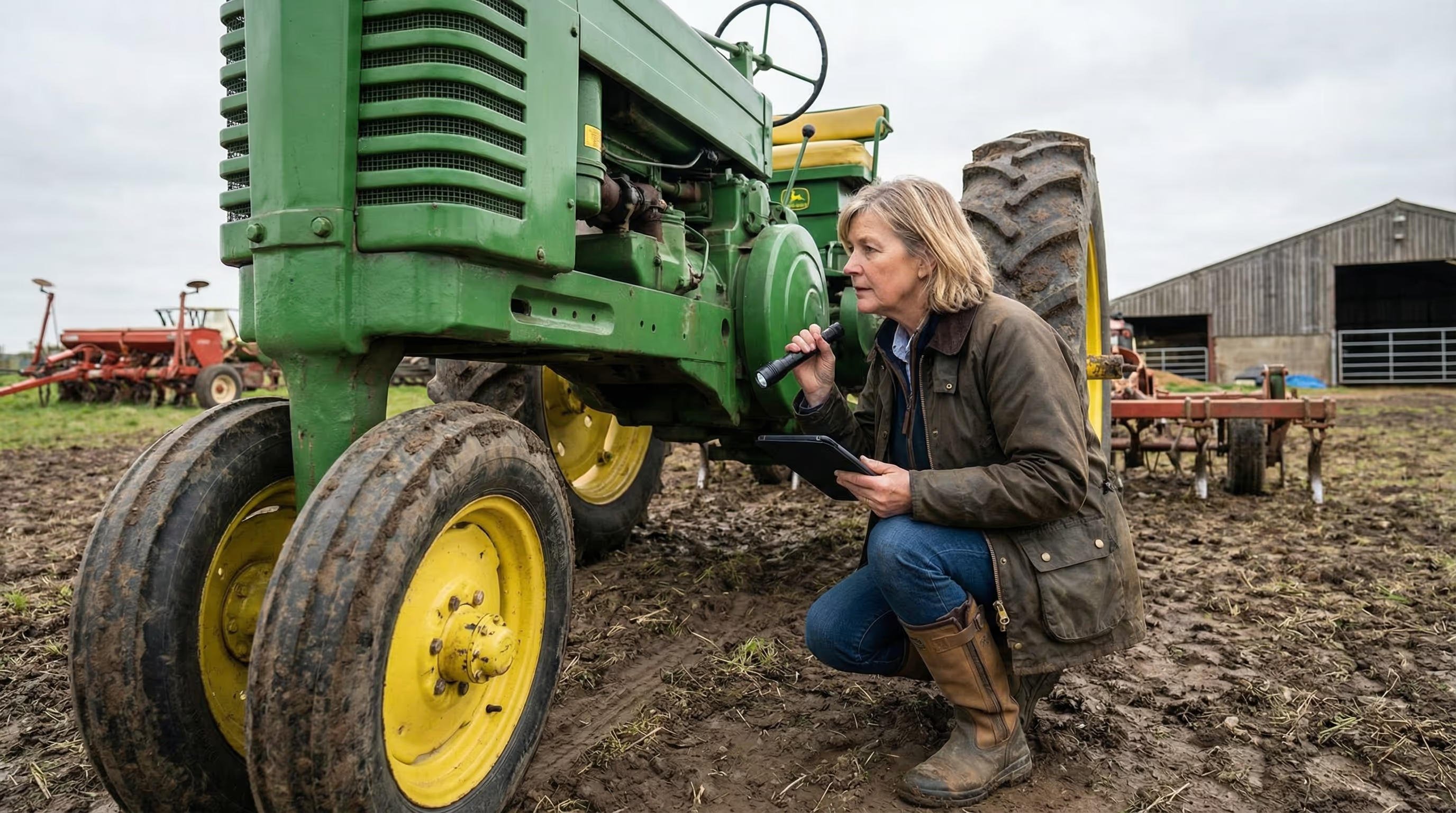
Professional appraiser examining farm equipment in a field setting

Whether you're buying, selling, or insuring farm equipment, knowing its true value is essential for making smart financial decisions. A professional farm equipment appraisal provides an accurate, defensible valuation that protects your interests and ensures you're getting fair market value for your agricultural machinery.

Quick Answer: You need a professional farm equipment appraisal for insurance claims, estate planning, divorce proceedings, tax purposes, buying or selling equipment, and securing financing. Professional appraisals typically cost between $300-800 per item and take 2-4 hours to complete.

Professional appraisals become necessary in several key situations. Insurance companies require them for coverage adjustments, banks need them for loan approvals, and legal proceedings demand certified valuations. Understanding when to seek professional help can save you thousands of dollars and prevent costly mistakes.

Key situations requiring professional appraisals

Several circumstances make professional farm equipment appraisals not just helpful, but essential. Insurance claims represent the most common scenario where you'll need certified documentation of your equipment's value. When filing a claim for damaged or stolen machinery, insurance companies require proof of value from a qualified appraiser.

Estate planning and divorce proceedings also demand professional appraisals. Courts require accurate valuations to ensure fair distribution of assets, and outdated or informal estimates simply won't hold up in legal proceedings. Tax purposes, particularly for charitable donations or depreciation calculations, require USPAP-compliant appraisals that meet IRS standards.

Farm equipment lined up for appraisal inspection

Buying or selling high-value equipment represents another critical situation. Professional appraisals help buyers avoid overpaying and ensure sellers receive fair market value. Banks and lenders also require appraisals when equipment serves as collateral for loans or financing agreements.

Important Note: Equipment values can fluctuate significantly based on market conditions, age, and condition. What you paid five years ago may not reflect today's actual value.

What happens during the appraisal process

The professional appraisal process follows a structured approach designed to ensure accuracy and compliance with industry standards. Your appraiser will begin with a thorough physical inspection of each piece of equipment, documenting condition, serial numbers, model information, and any modifications or attachments.

Expect the appraiser to spend considerable time photographing equipment from multiple angles and taking detailed notes about wear patterns, maintenance history, and operational condition. They'll also review any documentation you provide, including purchase receipts, maintenance records, and previous appraisals.

The appraiser will research comparable sales data and current market conditions to establish fair market value. This research phase often takes longer than the physical inspection, as appraisers must analyze recent sales of similar equipment in your geographic region. Understanding what to expect during a farm equipment appraisal helps you prepare adequately for the process.

Most appraisals take 2-4 hours for the on-site inspection, with the final report delivered within 5-7 business days. The report will include detailed descriptions, photographs, and a certified valuation that meets professional standards.

Factors that determine equipment value

Several key factors influence your farm equipment's appraised value, with condition being the most significant. Equipment showing minimal wear and proper maintenance commands higher values than machinery with visible damage, excessive wear, or deferred maintenance issues.

Age plays a crucial role, but it's not simply about calendar years. Hours of operation, seasonal usage patterns, and technological obsolescence all impact value. A well-maintained 10-year-old tractor with low hours may be worth more than a newer model that's been heavily used or poorly maintained.

FactorImpact on ValueConsiderationsConditionHighWear, maintenance, damageAge/HoursHighUsage patterns, technologyBrand/ModelMediumMarket demand, reputationLocationMediumRegional preferences, climate

Market demand varies significantly by region and equipment type. Certain brands maintain stronger resale values in specific geographic areas, while specialized equipment may have limited markets. Climate conditions also affect value, as equipment from dry regions typically shows less corrosion than machinery from humid environments. Assessing the impact of various market factors is crucial for accurate valuations.

Pro Tip: Maintaining detailed service records and storing equipment properly can significantly impact its appraised value, sometimes adding thousands of dollars to the final valuation.

Preparing for your equipment appraisal

Proper preparation can streamline the appraisal process and ensure the most accurate valuation possible. Start by gathering all relevant documentation, including original purchase receipts, warranty information, maintenance records, and any previous appraisals or inspections.

Clean your equipment thoroughly before the appraiser arrives. While this won't change the mechanical condition, it allows for better inspection and demonstrates proper care. Ensure all equipment is accessible and, if possible, operational for demonstration purposes. Following a comprehensive checklist for preparing your agricultural equipment for appraisal can help you avoid common oversights.

Organized maintenance records and equipment documentation

Create a detailed inventory list including serial numbers, model information, attachments, and any modifications or upgrades. This preparation saves time during the inspection and ensures nothing gets overlooked. If you have multiple pieces of equipment, organize them logically to facilitate efficient inspection.

Be prepared to discuss the equipment's history, including how it was used, storage conditions, and any significant repairs or modifications. Your firsthand knowledge provides valuable context that helps the appraiser understand the equipment's true condition and value. Before scheduling your appraisal, review essential questions to ask your farm equipment appraiser to ensure you're working with a qualified professional.

Professional farm equipment appraisals provide the accurate, defensible valuations you need for insurance, legal, and financial purposes. By understanding when you need an appraisal, what to expect during the process, and how to prepare effectively, you can ensure the best possible outcome for your specific situation. Remember that investing in a professional appraisal often saves money in the long run by providing accurate documentation that protects your financial interests.

Frequently Asked Questions About Farm Equipment Appraisals

When do I need a professional farm equipment appraisal?

You need a professional farm equipment appraisal when applying for loans or financing, filing insurance claims, settling estates or divorce proceedings, buying or selling high-value equipment, and for tax purposes including charitable donations. Professional appraisals provide USPAP-compliant documentation that banks, insurers, courts, and the IRS require for legal and financial decisions.

How much does a farm equipment appraisal cost?

Professional farm equipment appraisals typically cost between $300-800 per item, depending on the complexity of the equipment, location, and purpose of the appraisal. Larger fleets or multi-location operations may qualify for volume pricing. The cost is often minimal compared to the financial protection and accurate documentation the appraisal provides.

What's the difference between fair market value and replacement value for farm equipment?

Fair market value represents what a willing buyer would pay for your used equipment in its current condition, commonly used for sales, loans, and estate planning. Replacement value is the cost to purchase new or equivalent equipment today, typically used for insurance coverage. Understanding which value type you need ensures proper coverage and accurate financial reporting.

How long does a farm equipment appraisal take to complete?

Most farm equipment appraisals take 2-4 hours for the on-site inspection, with the final written report delivered within 5-7 business days. Larger inventories or multi-location operations may require additional time. The timeline includes equipment inspection, market research, and preparation of a comprehensive USPAP-compliant report with photographs and detailed analysis.

Related Appraisals We Offer

Related Articles

BEST-IN-CLASS APPRAISERS, CREDENTIALED BY: