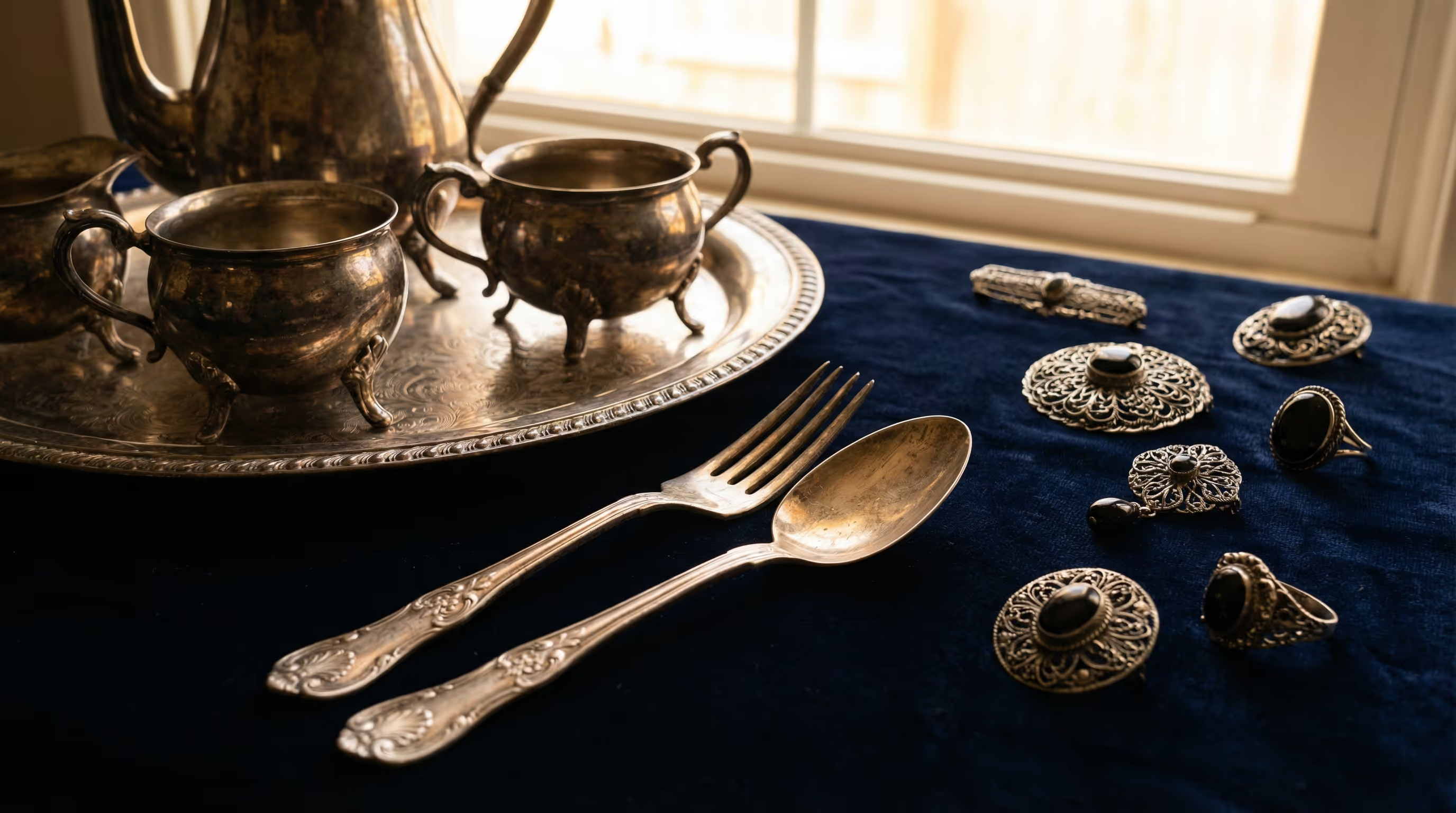
Picture this: you've inherited a box of tarnished silver from your grandmother, or you're downsizing and found that forgotten tea service in the attic. Is it worth a few hundred dollars in scrap silver, or could it be worth thousands? Making the wrong call could cost you significantly, whether you're underinsuring valuable pieces or paying for unnecessary professional services on items worth only their metal content.
An antique silver appraisal is a professional evaluation that determines an item's authenticity, condition, and fair market value based on metal content, maker, age, rarity, and current market data. The key question isn't whether your silver has value, but whether you need a certified professional opinion or if a DIY estimate will suffice for your specific situation.
Quick Answer: Use professional appraisals for insurance coverage over $2,500, estate settlements, charitable donations, divorce proceedings, or suspected high-value pieces. DIY methods work for general curiosity or items you're keeping regardless of value.
The stakes are higher than you might think. Without proper documentation, insurance companies may only pay scrap value for a stolen Victorian tea service worth $8,000. Estate attorneys need defensible valuations to avoid IRS disputes. Charitable organizations require certified appraisals for donations over $5,000 to qualify for tax deductions.
Your antique silver encompasses everything from everyday flatware to ornate serving pieces, jewelry, coins, and commemorative items. Each category has different value drivers beyond just silver content. A common mistake is assuming all silver items are worth roughly the same per ounce when maker, pattern, and rarity can multiply values dramatically.
The difference between getting it right and getting it wrong often comes down to documentation, expertise, and understanding when professional help is essential versus when a rough estimate serves your needs.
Understanding when to handle silver evaluation yourself versus hiring a professional can save you both money and potential losses. Each approach has clear strengths and appropriate use cases.
When DIY estimation works well, you're dealing with common items where precise value isn't critical. You can identify hallmarks using online resources, weigh pieces to calculate approximate silver content, and check completed eBay sales for similar items. This approach works for personal curiosity, rough insurance estimates on lower-value items, or deciding whether to keep pieces regardless of their worth.
Professional appraisals become essential when accuracy and documentation matter. Insurance companies, courts, and the IRS require certified appraisals from qualified professionals. You need professional help for estate settlements, divorce proceedings, charitable donations over IRS thresholds, suspected high-value or signed pieces, items with unclear or foreign marks, and anything requiring legal defensibility.
The risks of relying solely on online prices or scrap calculations include missing valuable maker's marks, misidentifying reproduction pieces as antiques, and underestimating condition factors that significantly affect value. Professional appraisers access specialized databases and have training to spot details that determine whether your piece is worth $200 or $2,000.

Certain situations clearly indicate when professional appraisal services are necessary rather than optional. Recognizing these triggers helps you make informed decisions about when to invest in expert evaluation.
Legal and financial requirements top the list. If you're settling an estate, dividing assets in divorce, planning charitable donations, or need insurance coverage documentation, professional appraisals provide the credibility and format required by attorneys, courts, and insurers.
Complexity and rarity indicators include pieces with unusual marks, foreign hallmarks, suspected famous makers, or items that don't match common patterns you find online. When multiple people give you conflicting opinions about value, or when preliminary research suggests significant worth, professional expertise becomes valuable.
High-stakes situations where accuracy matters most include preparing to sell valuable pieces, updating insurance coverage, or making financial decisions based on silver values. The cost of professional appraisal often represents a small percentage of potential value or savings.
Professional Tip: If you're questioning whether a piece might be valuable enough to warrant professional appraisal, photograph the hallmarks clearly and consult with an appraiser about preliminary assessment options.
Professional appraisers bring specialized knowledge that can dramatically affect how your silver is valued. Their training and resources often reveal value that untrained eyes miss entirely.
Reading marks and signatures requires understanding different hallmarking systems, assay office stamps, and maker's marks that vary by country and time period. A professional can distinguish between sterling silver (92.5% pure) and silver plate, identify specific manufacturers, and date pieces based on mark variations that changed over decades.
Understanding historical context helps appraisers recognize significant patterns, regional styles, and periods when certain makers commanded premium prices. They know which patterns were discontinued early (making them rare), which manufacturers are sought after by collectors, and how historical events affected silver production and design.
Access to market data gives professionals current information about auction results, dealer prices, and collector demand that isn't available through casual online searches. They maintain databases of comparable sales and understand how condition, completeness, and provenance affect final values.
This expertise frequently uncovers value that DIY methods miss. A tea service that appears to be standard silver plate might actually be an early piece by a renowned maker, worth thousands rather than hundreds.
Certified appraisal reports offer documentation and analysis that goes far beyond simple value estimates. Understanding what you receive helps justify the investment and ensures you get appropriate service for your needs.
Comprehensive documentation includes detailed descriptions, high-quality photographs, measurements, weight, condition assessment, and historical context. Professional reports identify metal content, maker information, approximate age, and any factors affecting value.
USPAP compliance means the appraisal follows Uniform Standards of Professional Appraisal Practice, making it acceptable to courts, insurance companies, and the IRS. This compliance provides legal defensibility and professional credibility that informal estimates lack.
Defined value types clarify whether you're receiving fair market value (for sale or donation), replacement value (for insurance), or other specific valuations appropriate to your purpose. Professional appraisers explain their methodology and provide supporting market data for their conclusions.
The protection these reports provide extends beyond immediate needs. Certified appraisals create permanent records for family heirlooms, support insurance claims if theft or damage occurs, and provide documentation for future family members who inherit pieces.
Comparison FactorDIY EstimateProfessional AppraisalCostFree to minimal$200-500+ depending on complexityAccuracyRough approximationDetailed, defensible valuationLegal AcceptanceNot recognizedCourt, IRS, insurance acceptedDocumentationPersonal notes/photosCertified written reportBest ForPersonal curiosityInsurance, legal, financial decisions
Cost Reality Check: Professional appraisals typically cost 1-3% of an item's value. If your silver might be worth $5,000, a $200 appraisal fee provides significant protection and peace of mind.
When you decide professional help is necessary, proper preparation and choosing the right appraiser ensures you receive maximum value from the service. Small steps on your part can significantly improve the appraisal process and outcome.
Preparation makes the difference in appraisal efficiency and accuracy. Gather clear photographs of all pieces including close-ups of any marks, stamps, or signatures. Measure and weigh items when possible, collect any receipts or previous appraisals, and document family stories or known history about the pieces.
Choosing qualified professionals requires checking credentials from recognized organizations like the American Society of Appraisers (ASA) or International Society of Appraisers (ISA). Ask about specific experience with antique silver, request sample reports, and confirm they provide USPAP-compliant documentation.
Understanding the process helps set proper expectations. Most appraisals involve initial consultation, detailed examination (in-person or through high-quality photos), research and market analysis, and delivery of a written report. Turnaround times typically range from one to three weeks depending on complexity.
Professional antique silver appraisals serve as both protection and discovery tools. They protect you from underinsuring valuable pieces, support legal and financial decisions with credible documentation, and often reveal historical and monetary value you didn't know existed. When the stakes matter, professional expertise provides peace of mind that DIY methods simply cannot match.

The decision between DIY estimation and professional appraisal ultimately depends on your specific situation and what you plan to do with the information. For high-value pieces, legal requirements, or situations where accuracy matters most, certified professional appraisals provide the expertise and documentation you need. AppraiseItNow offers nationwide service with USPAP-compliant reports accepted by major insurers, courts, and the IRS, making professional silver appraisal accessible whether you need in-person or online evaluation services.
Fair market value represents what your antique silver would sell for between willing buyers and sellers in the open market, typically used for estate settlements and charitable donations. Replacement value is the cost to replace your silver with a similar item of like kind and quality, which is higher and used for insurance coverage. For example, a Victorian tea service might have a fair market value of $3,000 but a replacement value of $4,500 due to the difficulty and cost of finding an equivalent piece.
Professional antique silver appraisals typically cost between $200-500+ depending on complexity, with most appraisers charging hourly rates with a 2-3 hour minimum. Simple single pieces or small collections cost less, while extensive collections, rare items requiring extensive research, or pieces with complex provenance cost more. The investment often represents just 1-3% of your silver's value and can prevent costly underinsurance or legal disputes.
Photo-based appraisals can work for some antique silver pieces, particularly when high-quality images clearly show hallmarks, maker's marks, and overall condition. However, physical inspection is often necessary for high-value pieces, items with questionable authenticity, or when precise condition assessment affects value significantly. Professional appraisers can advise whether your specific pieces can be accurately evaluated remotely or require in-person examination.
Antique silver should be reappraised every 3-5 years for insurance purposes, or sooner if market conditions change significantly. You should also get updated appraisals when adding pieces to your collection, after any damage or restoration, before major sales, or when insurance companies request current valuations. Market values for antique silver can fluctuate based on collector demand, precious metal prices, and economic conditions.