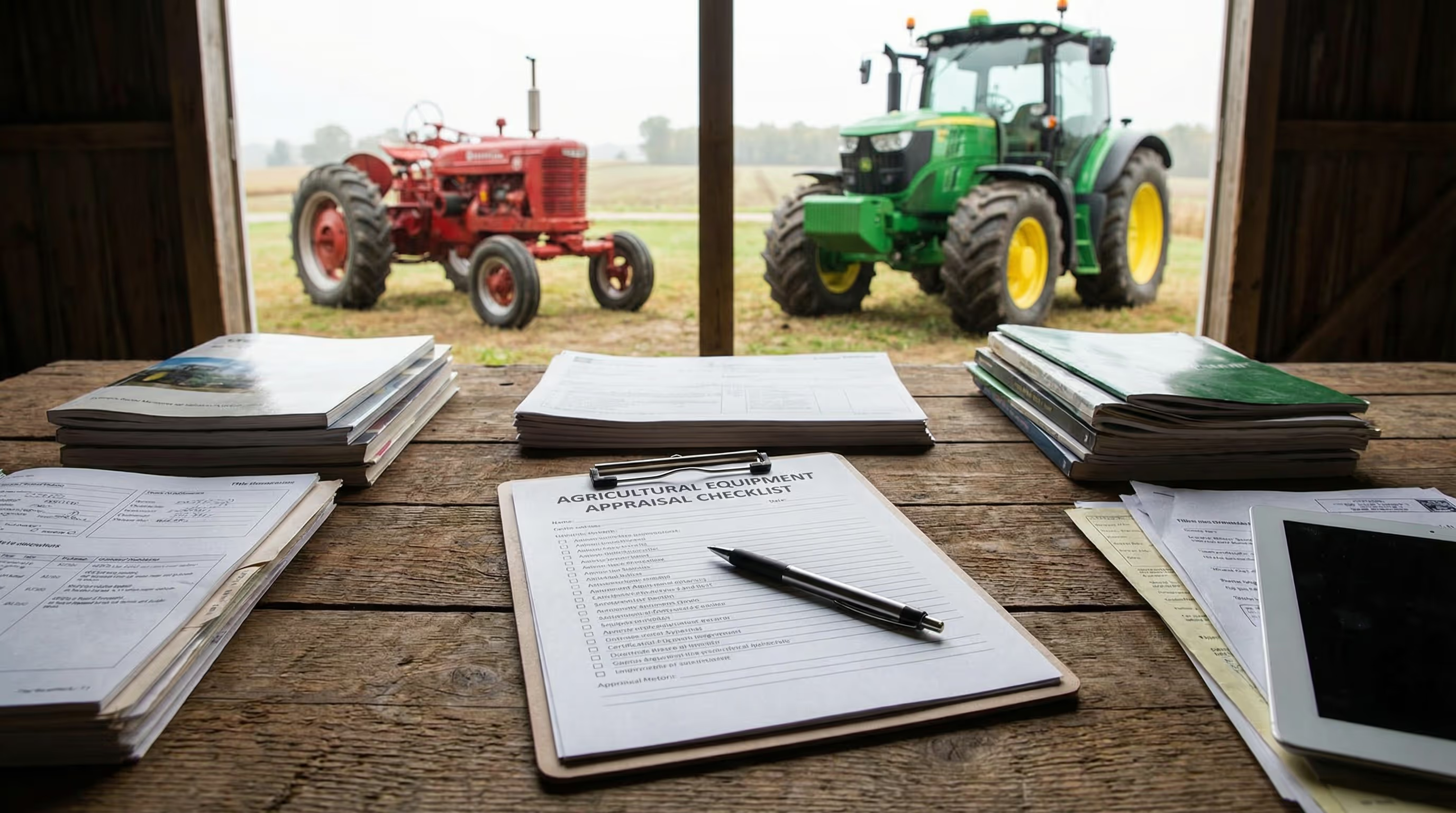
When your bank asks for a USPAP-compliant appraisal for loan collateral or your insurance company needs accurate values after equipment damage, having the right documentation can mean the difference between a smooth process and costly delays. The documents you bring directly impact the accuracy and defensibility of your equipment's appraised value.
Essential documents include ownership papers, maintenance records, equipment specifications, and usage history. Plan to schedule your appraisal 2-4 weeks in advance and gather comprehensive documentation to ensure the most accurate valuation for your agricultural equipment.
Quick Tip: Bringing complete documentation can improve appraisal accuracy by up to 15% and ensures your report meets compliance standards for banks, insurers, and the IRS.
Your documentation serves as the foundation for an accurate, defensible appraisal. USPAP-compliant appraisers rely on verifiable information to determine fair market value, and incomplete records can lead to conservative estimates that may not reflect your equipment's true worth.
Banks, insurance companies, and courts require appraisals backed by solid documentation. When you provide comprehensive records, you're not just helping the appraiser - you're protecting your own financial interests. Missing paperwork often forces appraisers to make assumptions that rarely work in your favor.
The quality of your documentation also affects how quickly your appraisal can be completed. Well-organized records allow appraisers to focus on market analysis rather than hunting for basic equipment information, which can reduce both timeline and costs. Understanding the basics of agricultural equipment appraisal can help you prepare more effectively.
Start with proof of ownership and purchase history. Bring your equipment titles, bills of sale, and any financing agreements. If you have liens on the equipment, include lien releases or current payoff statements. Purchase contracts help establish original cost and any included warranties or service agreements.
For leased equipment, provide the lease agreement and any purchase options. If you've inherited equipment, bring estate documentation or transfer papers that establish legal ownership.

Gather all identifying information for each piece of equipment. This includes make, model, year, serial numbers, and VIN numbers where applicable. Document engine hours, operating hours, and any meter readings. Include information about attachments, modifications, or special configurations that might affect value.
Take clear photos of serial number plates and any unique features. If you have multiple similar pieces of equipment, create a simple spreadsheet to track each unit's specific details. Following a comprehensive checklist for preparing your agricultural equipment for appraisal ensures you don't miss critical information.
Service records provide crucial insight into equipment condition and remaining useful life. Collect maintenance logs, repair invoices, and records of major overhauls or component replacements. Include warranty work, recall repairs, and any upgrades or modifications.
Document typical usage patterns, seasonal operation schedules, and the type of work the equipment performs. This information helps appraisers assess wear patterns and estimate remaining economic life.
Bring operator manuals, parts catalogs, and any technical specifications from the manufacturer. Include previous appraisals if available, along with recent repair estimates or replacement cost quotes. Insurance schedules and depreciation records can provide additional value context.
If you have information about comparable sales or current market listings for similar equipment, include these as reference materials.
Important Note: The more complete your documentation package, the more confident your appraiser can be in their final value conclusion, which strengthens the report's defensibility.
Beyond physical documents, prepare to discuss your equipment's operational context. Appraisers need to understand where the equipment operates, storage conditions, and typical maintenance practices. They'll ask about any known mechanical issues, upcoming repair needs, or planned replacements.
Be ready to explain the equipment's role in your operation and whether it's essential for daily operations or used seasonally. This context helps determine the appropriate valuation approach and market comparisons. Knowing what to expect during an agricultural equipment appraisal can help you prepare for these discussions.
Provide access information for the appraisal inspection, including any special requirements for viewing equipment stored in different locations or seasonal accessibility issues.
Age and condition rank as the primary value drivers, but brand reputation and model popularity significantly impact resale values. Equipment from established manufacturers like John Deere, Case IH, or New Holland typically hold value better than lesser-known brands.
Technology level affects value substantially in today's market. GPS-guided systems, precision agriculture capabilities, and emissions compliance can add significant value to newer equipment while making older models less desirable.
Usage intensity matters more than simple age. A 10-year-old tractor with 2,000 hours may be worth more than a 5-year-old unit with 8,000 hours. Market demand for specific equipment types fluctuates with commodity prices and farming trends.
Value FactorHigh ImpactMedium ImpactLow ImpactConditionExcellent maintenanceAverage wearPoor maintenanceHours/UsageUnder 3,000 hours3,000-6,000 hoursOver 8,000 hoursBrandTier 1 manufacturersRegional brandsUnknown brandsTechnologyCurrent GPS/precisionBasic electronicsManual systems
Schedule your appraisal 2-4 weeks in advance for standard situations. Complex appraisals involving multiple locations, large fleets, or specialized equipment may require 4-6 weeks lead time. Peak seasons like spring planting or harvest may extend scheduling timelines.
If you're working under tight deadlines for loan closings or legal proceedings, contact appraisers immediately to discuss expedited options. Some firms offer rush services for urgent situations, though this typically involves additional fees. Learning how to prepare for an agricultural equipment appraisal can help you stay on schedule.
Use the lead time to organize your documentation systematically. Create folders for each equipment category and ensure all paperwork is legible and complete before your appointment.
Pro Tip: Start gathering documents as soon as you know you'll need an appraisal. Missing paperwork often requires additional research time that can delay your final report.
Fair market value represents the price a willing buyer would pay a willing seller in an open market transaction. This standard applies to most lending, insurance, and legal situations. Appraisers use comparable sales, cost approaches, and income methods to determine fair market value.
Auction values reflect forced sale conditions where time pressure affects pricing. These values typically run 20-40% below fair market value and apply mainly to liquidation scenarios or quick asset conversion situations.
Replacement cost represents what you'd pay for equivalent new equipment with similar capabilities. Insurance companies often use replacement cost for coverage decisions, while fair market value applies to actual loss settlements.

Banks require certified appraisals for equipment loans over certain thresholds, typically $50,000 or more. SBA lending programs specifically require USPAP-compliant appraisals for equipment collateral. Insurance companies need accurate valuations for coverage limits and claim settlements.
Estate planning and divorce proceedings require defensible valuations that courts will accept. Partnership buyouts and business sales depend on accurate equipment values for fair negotiations. Tax planning situations, including charitable donations and depreciation schedules, need professional documentation.
Financial reporting under GAAP or other accounting standards may require periodic revaluations of equipment assets, particularly for publicly traded companies or those seeking investment. Understanding the benefits of agricultural equipment appraisal helps you determine when professional services are necessary.
The agricultural equipment appraisal process becomes straightforward when you come prepared with complete documentation and realistic timeline expectations. Your thorough preparation not only ensures accurate valuations but also demonstrates professionalism that strengthens your position in lending, insurance, or legal proceedings.
At AppraiseItNow, our USPAP-compliant agricultural equipment specialists understand the unique factors that drive farm equipment values. We provide defensible appraisal reports accepted by over 10,000 organizations nationwide, helping you make confident financial decisions based on accurate, professional valuations.
You need ownership documents (titles, bills of sale), equipment identification details (make, model, year, serial numbers), maintenance records and repair invoices, usage information (hours or mileage), recent photos of the equipment, and any financing or lease agreements. Having complete documentation can improve appraisal accuracy by up to 15% and ensures your report meets compliance standards.
While an appraiser can still provide a valuation without maintenance records, the result may be more conservative. Complete maintenance logs, repair invoices, and service histories demonstrate proper care and can support higher values compared to equipment with unknown maintenance history. Missing records often force appraisers to make assumptions that rarely work in your favor.
Schedule your appraisal 2-4 weeks in advance for standard situations. Complex appraisals involving multiple locations, large fleets, or specialized equipment may require 4-6 weeks lead time. Peak seasons like spring planting or harvest may extend scheduling timelines, and urgent situations for loan closings or legal proceedings may require expedited services with additional fees.
First, review the appraisal report for factual errors such as incorrect hours, missing attachments, or mis-identified models, then provide corrected documentation to the appraiser. Ask whether updated information would change the conclusion. If significant differences remain, you can seek a second opinion from another qualified USPAP-compliant equipment appraiser, especially for high-stakes financial or legal decisions.