Vintage Clothing Appraisal Guide: How to Identify, Value, and Protect Your Vintage Fashion

Last Updated on Nov 27, 2025
Originally Published on Nov 27, 2025
Thank you! Your submission has been received!
Oops! Something went wrong while submitting the form.
Nationwide Service
Onsite or Online
USPAP-Compliant
IRS Qualified
DEFENSIBLE, USPAP-COMPLIANT APPRAISAL REPORTS — ACCEPTED BY 10,000+ ORGANIZATIONS
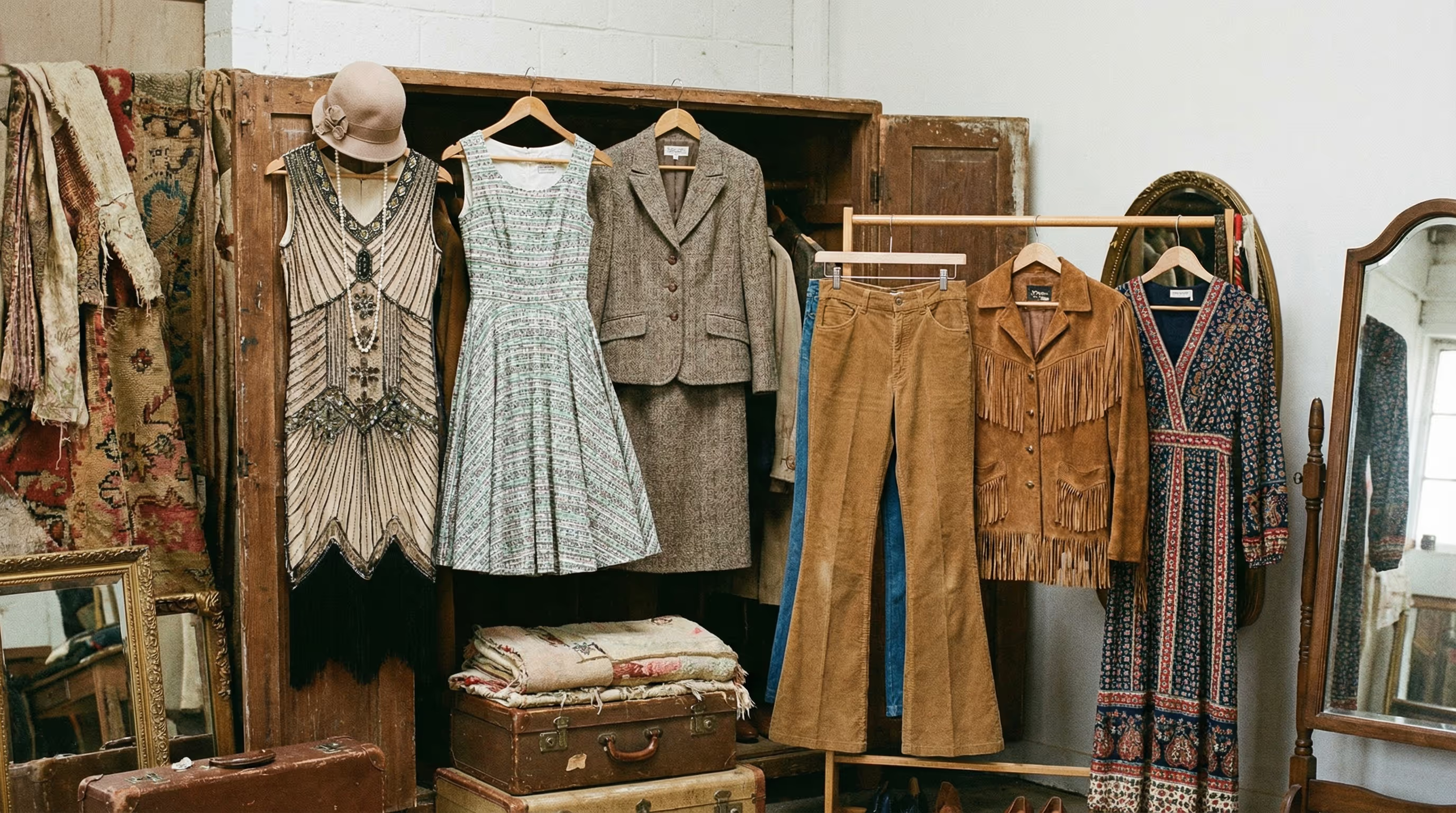
Vintage clothing collection displayed on hangers with various eras represented

Whether you've inherited a collection of vintage pieces or discovered treasures at estate sales, understanding their true value can mean the difference between a significant financial gain and a costly mistake. The vintage clothing market has exploded in recent years, with some pieces selling for thousands of dollars while others barely cover their purchase price.

You might be wondering if that designer jacket from the 1980s is worth appraising, or whether your grandmother's 1960s dresses have investment potential. The challenge isn't just determining age—it's understanding what makes vintage clothing valuable and when professional expertise becomes essential.

Quick fact: Vintage clothing must be at least 20 years old to qualify as truly vintage, but age alone doesn't determine value. Condition, brand recognition, and market demand play equally important roles.

In this guide, you'll learn how to identify authentic vintage pieces, evaluate their condition systematically, research comparable market values, and decide when to seek professional appraisal services. Whether you're looking to insure your collection, settle an estate, or simply satisfy your curiosity about value, this practical framework will help you make informed decisions.

Vintage clothing identification: How to tell if it's really vintage

The first step in appraising any piece is confirming its vintage status. True vintage items are at least 20 years old and represent the original fashion of their era, not modern reproductions designed to look old.

Start by examining the garment's construction details. Vintage pieces often feature hand-finished seams, metal zippers with specific tooth patterns, and button materials that reflect their era. For example, plastic buttons became common in the 1930s, while earlier pieces typically used shell, wood, or metal.

Check the care labels carefully. Items from before the 1970s rarely have permanent care labels, while modern reproductions almost always include them. The fabric content information required by law since 1972 can help you date pieces more precisely.

Look for union labels, which can provide valuable dating information. The International Ladies' Garment Workers' Union used different label designs throughout the decades, creating a timeline that experienced collectors recognize.

EraKey IdentifiersCommon Materials1920s-1930sArt Deco patterns, dropped waistlinesSilk, rayon, cotton1940s-1950sStructured shoulders, full skirtsWool, cotton, early synthetics1960s-1970sMini lengths, psychedelic printsPolyester, acrylic blends

The sizing systems also evolved over time. Vintage sizes run significantly smaller than modern equivalents, so a vintage size 12 might fit like today's size 6 or 8.

Vintage clothing value guide: Factors that determine what your pieces are worth

Understanding value requires examining multiple interconnected factors that collectors and appraisers consider when evaluating vintage clothing.

Brand recognition stands as the most significant value driver. Designer pieces from houses like Chanel, Dior, or Yves Saint Laurent command premium prices, especially from their most celebrated periods. However, lesser-known but well-constructed pieces can also hold substantial value if they represent important fashion moments.

Close-up of vintage designer label showing authentic construction details

Rarity plays a crucial role in determining worth. Limited production runs, pieces from short-lived fashion movements, or items that few people preserved create scarcity that drives up value. Celebrity connections or documented provenance can multiply an item's worth significantly.

The era matters tremendously for market demand. Currently, 1990s fashion experiences high demand among younger collectors, while 1950s pieces remain consistently valuable. Fashion cycles influence these preferences, with certain decades becoming more or less desirable over time.

Market insight: Designer pieces from the 1980s and 1990s have seen the strongest price appreciation in recent years, with some items increasing 300-400% in value since 2020.

Material quality affects both durability and desirability. Natural fibers like silk, wool, and cotton age better than early synthetic materials, which can deteriorate or become brittle over time. Hand-beading, embroidery, or other embellishments add value but also create preservation challenges.

Size impacts marketability significantly. Vintage pieces in sizes that fit modern consumers (typically vintage sizes 8-14) command higher prices than very small or very large items, regardless of their other qualities.

How to appraise vintage clothing step-by-step

Professional appraisal follows a systematic process that you can adapt for preliminary evaluation before deciding whether to seek expert assistance.

Begin with authentication and age verification. Document all labels, examine construction techniques, and research the brand's history during the suspected era. Take detailed photographs of unique features, hardware, and any maker's marks.

Assess condition using standardized grading terms. "Mint" condition means unworn with original tags, "excellent" shows minimal wear with no flaws, "very good" has minor issues that don't affect appearance, "good" shows obvious wear but remains attractive, and "fair" indicates significant flaws that impact value.

Research comparable sales through auction results, specialized vintage marketplaces, and collector forums. Focus on recently sold items rather than asking prices, as these reflect actual market values. Document your findings with screenshots and dates.

Consider the specific purpose of your appraisal. Insurance valuations typically use replacement cost, which runs higher than fair market value used for estate or resale purposes. Charitable donation appraisals require fair market value documentation that meets IRS standards.

Factor in regional market variations. Vintage clothing values can differ significantly between major metropolitan areas and smaller markets, affecting both selling potential and insurance considerations.

When you need a professional vintage clothing appraisal

While preliminary research helps you understand your collection's potential, certain situations require certified professional appraisals that meet legal and institutional standards.

Insurance coverage for valuable vintage collections demands USPAP-compliant appraisals that document replacement costs and provide detailed condition reports. Standard homeowners policies typically limit coverage for clothing, making scheduled personal property endorsements necessary for valuable pieces.

Estate settlement requires fair market value appraisals that courts and beneficiaries accept as authoritative. Professional appraisers provide the documentation needed for equitable distribution and tax purposes.

Professional appraiser examining vintage garment with magnifying glass and documentation

Charitable donations exceeding $5,000 must include qualified appraisals to support tax deduction claims. The IRS requires specific appraiser credentials and report formats that only certified professionals can provide.

Divorce proceedings often involve valuable clothing collections that need neutral, professional valuation for property division. Courts rely on certified appraisals to ensure fair settlements.

Professional tip: If your preliminary research suggests individual pieces worth over $1,000 or collections exceeding $5,000 total value, professional appraisal becomes cost-effective for protection and planning purposes.

Business purposes like consignment, auction, or retail sales benefit from professional market analysis that optimizes pricing strategies and timing decisions. Understanding when to seek professional expertise can save you from costly mistakes and ensure you maximize your collection's value.

AppraiseItNow provides USPAP-compliant vintage clothing appraisals for all these purposes, with certified appraisers who understand both fashion history and current market conditions. Our reports meet institutional requirements while providing the detailed documentation you need for insurance, legal, or business decisions.

Understanding your vintage clothing's value protects your investment and helps you make informed decisions about care, insurance, and potential sales. While preliminary research provides valuable insights, professional appraisal ensures you have the authoritative documentation needed for important financial and legal purposes.

Frequently Asked Questions

How can I tell if my clothing is truly vintage?

To determine if clothing is truly vintage, check that it's at least 20 years old and was originally produced in its era, not a modern reproduction. Examine inner labels, union tags, care labels (items before 1970s rarely have permanent care labels), fabric content information, zipper types, and stitching methods. Compare design details to decade references and look for period-specific construction techniques like hand-finished seams and era-appropriate materials.

What makes vintage clothing valuable?

Vintage clothing value depends on several key factors: designer or brand prestige, rarity or limited production runs, condition (especially original and unworn pieces), iconic styles from sought-after eras, size and wearability for modern consumers, documented provenance or history, and current trend demand in the resale market. Designer pieces from houses like Chanel, Dior, or Yves Saint Laurent typically command premium prices, especially from their most celebrated periods.

When should I get a professional vintage clothing appraisal?

You should seek a professional vintage clothing appraisal when items appear to be designer or historically important, when you need documentation for insurance coverage, estate settlement, charitable donation tax deductions, divorce proceedings, or business inventory purposes. Professional appraisals are also recommended when preliminary research suggests individual pieces worth over $1,000 or collections exceeding $5,000 total value, as certified USPAP-compliant reports provide the authoritative documentation required by courts, insurers, and the IRS.

What's the difference between fair market value and insurance value for vintage clothing?

Fair market value represents the price a willing buyer and seller would agree upon under normal market conditions, typically used for estate settlement, charitable donations, and divorce proceedings. Insurance or replacement value reflects the cost to replace the item with something similar in today's retail or specialty market, which is often higher than fair market value. Professional appraisers can provide both valuations depending on your specific needs and intended use of the appraisal report.

Related Appraisals We Offer

Related Articles

BEST-IN-CLASS APPRAISERS, CREDENTIALED BY: