Understanding Antique Firearm Appraisals: A Complete Guide to Getting Accurate Values

Last Updated on Dec 03, 2025
Originally Published on Dec 03, 2025
Thank you! Your submission has been received!
Oops! Something went wrong while submitting the form.
Nationwide Service
Onsite or Online
USPAP-Compliant
IRS Qualified
DEFENSIBLE, USPAP-COMPLIANT APPRAISAL REPORTS — ACCEPTED BY 10,000+ ORGANIZATIONS
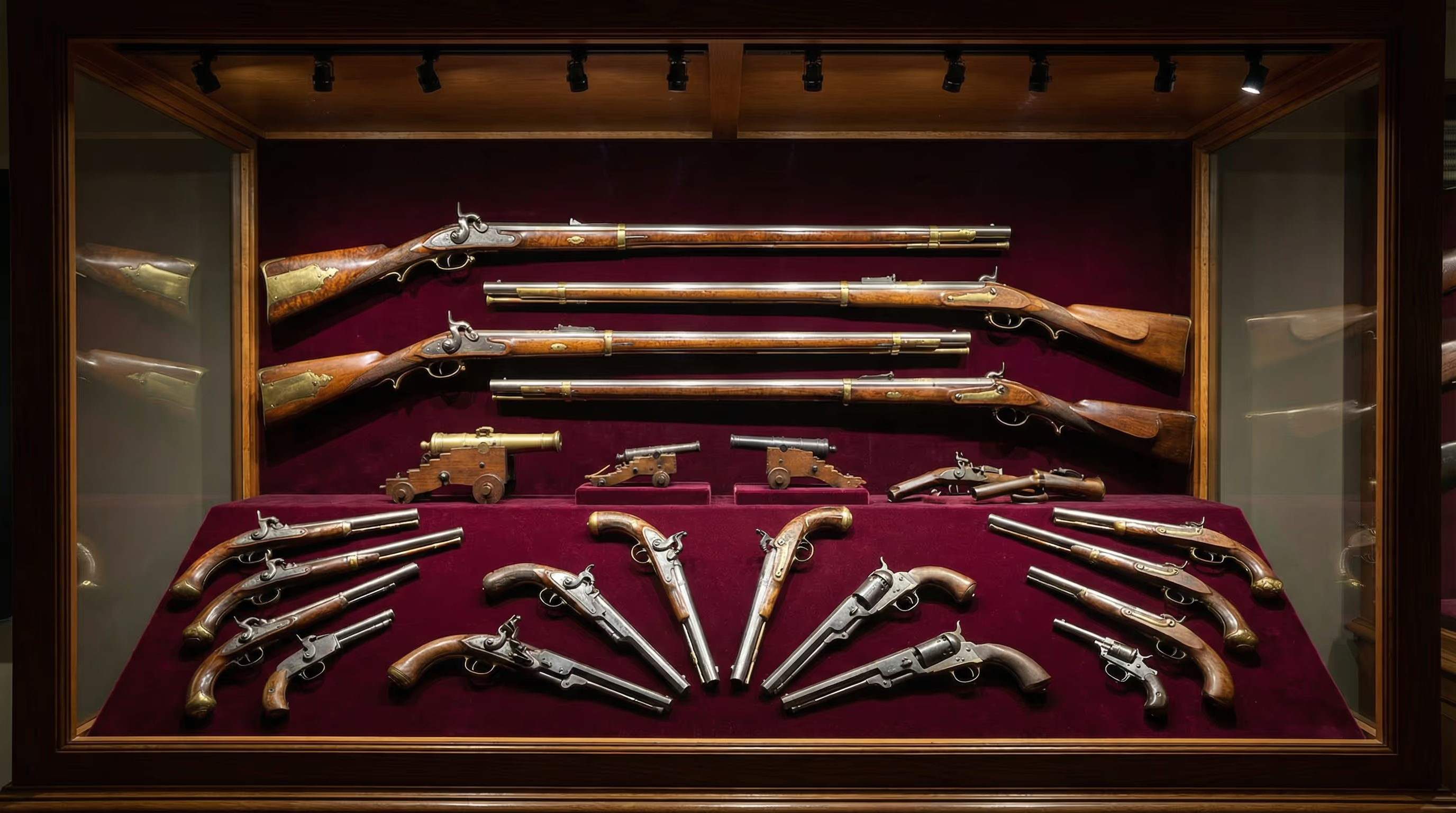
antique firearms collection display

If you own an antique firearm and wonder about its true worth, you're not alone. Whether it's a family heirloom passed down through generations or a recent acquisition, understanding the appraisal process can help you make informed decisions about insurance, sales, or estate planning.

Antique firearms can range from a few hundred dollars to tens of thousands, depending on factors like age, condition, rarity, and historical significance. The key to getting an accurate valuation lies in understanding what appraisers look for and how the process works. Here's what you need to know about getting your antique firearm properly appraised.

Quick Fact: Antique firearms are generally defined as weapons manufactured before 1899, though some appraisers extend this to include early 20th-century pieces with historical significance.

Types of antique firearm appraisals

When seeking an appraisal for your antique firearm, you'll encounter two main types: verbal and written appraisals. Each serves different purposes and comes with distinct advantages.

Verbal appraisals are informal assessments typically provided during initial consultations or quick evaluations. These are often free or low-cost and give you a general idea of your firearm's value range. However, verbal appraisals aren't legally binding and won't hold up for insurance claims or legal proceedings.

Written appraisals, on the other hand, provide detailed documentation that meets professional standards. These formal reports include photographs, detailed descriptions, market analysis, and specific value conclusions. Written appraisals are essential for insurance coverage, estate planning, charitable donations, or legal matters.

appraiser examining antique rifle

For most situations involving significant value or legal requirements, you'll want a written appraisal that follows Uniform Standards of Professional Appraisal Practice (USPAP) guidelines. This ensures the assessment meets industry standards and will be accepted by insurance companies, courts, and other institutions. Understanding the different types of antique gun appraisals helps you choose the right option for your needs.

The step-by-step appraisal process

Understanding how appraisers evaluate antique firearms helps you prepare better and ensures you get the most accurate assessment possible.

The process begins with a thorough physical inspection. Appraisers examine every aspect of the firearm, from the overall condition to specific details like original finishes, mechanical function, and any modifications or repairs. They'll document serial numbers, maker's marks, proof marks, and any engravings or special features.

Next comes historical research and authentication. Appraisers investigate the firearm's manufacturing history, production numbers, and historical context. They verify authenticity by comparing your piece to known examples and consulting reference materials, databases, and expert networks.

Market analysis forms the final crucial step. Appraisers research recent sales of comparable firearms through auction houses, dealer networks, and private sales. They consider current market trends, collector demand, and regional preferences to establish fair market value. Learn more about understanding the appraisal process of an antique gun to know what to expect.

Important Note: Never attempt to clean or restore an antique firearm before appraisal, as this can significantly reduce its value and authenticity.

Key factors that determine value

Several critical factors influence your antique firearm's value, and understanding these helps set realistic expectations for your appraisal.

Condition ranks as the most important factor. Original finish, mechanical function, and overall preservation directly impact value. Firearms in excellent original condition command premium prices, while those with significant wear, damage, or poor repairs see reduced values.

Rarity and manufacturer reputation also play crucial roles. Limited production runs, famous makers like Colt or Winchester, and unique variations can dramatically increase value. Conversely, common models or lesser-known manufacturers typically have more modest values.

Historical significance and provenance add substantial value when properly documented. Military service records, famous previous owners, or connection to historical events can multiply a firearm's worth. However, these claims require solid documentation to be considered in the appraisal. Discover 4 unique tips to help determine the value of an antique gun for additional insights.

FactorImpact on ValueExampleOriginal ConditionHigh90% finish vs 60% finish can double valueRarityVery HighLimited production models worth 5-10x common variantsProvenanceVariableMilitary service documentation adds 20-50%ModificationsUsually NegativeNon-original parts typically reduce value 25-40%

Preparing for your appraisal

Proper preparation ensures your appraisal goes smoothly and produces the most accurate results possible. Start by gathering all available documentation about your firearm, including purchase receipts, previous appraisals, family history, or military records.

Take high-quality photographs from multiple angles before your appointment. Include close-ups of serial numbers, maker's marks, proof stamps, and any unique features or damage. These photos help appraisers prepare and can serve as documentation for your records.

Research basic information about your firearm if possible. Note the manufacturer, model name or number, caliber, and any visible markings. While you don't need to become an expert, basic knowledge helps facilitate the appraisal conversation and ensures nothing important gets overlooked. Check out these 5 tips for getting the most accurate antique gun appraisal before your appointment.

Finally, ensure the firearm is unloaded and safe for handling. Most appraisers will verify this themselves, but arriving with a safe firearm demonstrates responsibility and professionalism.

Pro Tip: Keep detailed records of any maintenance, repairs, or modifications made to your firearm, as these details can significantly impact the final appraisal value.

antique gun documentation papers

Getting your antique firearm appraised doesn't have to be intimidating when you understand the process and come prepared. Whether you're seeking insurance coverage, planning an estate, or simply curious about value, a professional appraisal provides the accurate, documented assessment you need. Remember that values can change over time, so consider updating appraisals every few years, especially for high-value pieces or when market conditions shift significantly. Learn about the benefits of professional antique gun appraisals to understand why expert evaluation matters.

AppraiseItNow offers comprehensive antique firearm appraisals conducted by certified professionals who understand both the technical aspects and market dynamics of collectible firearms. Our USPAP-compliant reports provide the documentation you need for any purpose, backed by thorough research and market analysis.

FAQ

What qualifies as an antique firearm for appraisal purposes?

Antique firearms are generally defined as weapons manufactured before 1899, though some appraisers extend this to include early 20th-century pieces with historical significance. This includes rifles, pistols, shotguns, and their replicas. The pre-1899 cutoff is based on US federal law and is widely recognized in the appraisal industry.

What's the difference between verbal and written antique firearm appraisals?

Verbal appraisals are informal assessments that provide a general value range and are often free or low-cost, but they're not legally binding. Written appraisals are formal reports that follow USPAP guidelines, include detailed documentation with photographs and market analysis, and are essential for insurance coverage, estate planning, or legal matters.

How should I prepare my antique firearm for an appraisal?

Gather all available documentation including purchase receipts, previous appraisals, and family history. Take high-quality photographs from multiple angles, including close-ups of serial numbers and maker's marks. Research basic information like manufacturer and model. Most importantly, never clean or restore the firearm before appraisal, as this can significantly reduce its value and authenticity.

How often should I have my antique firearm reappraised?

Consider updating appraisals every few years, especially for high-value pieces or when market conditions shift significantly. Values can change over time due to market trends, collector demand, and new historical discoveries. For insurance purposes, most companies recommend reappraisals every 3-5 years to ensure adequate coverage.

Related Appraisals We Offer

Related Articles

BEST-IN-CLASS APPRAISERS, CREDENTIALED BY: