Types of Heavy Machinery Appraisals - Complete Guide to Methods and Use Cases

Last Updated on Aug 29, 2025
Originally Published on Aug 29, 2025
Thank you! Your submission has been received!
Oops! Something went wrong while submitting the form.
Nationwide Service
Onsite or Online
USPAP-Compliant
IRS Qualified
DEFENSIBLE, USPAP-COMPLIANT APPRAISAL REPORTS — ACCEPTED BY 10,000+ ORGANIZATIONS
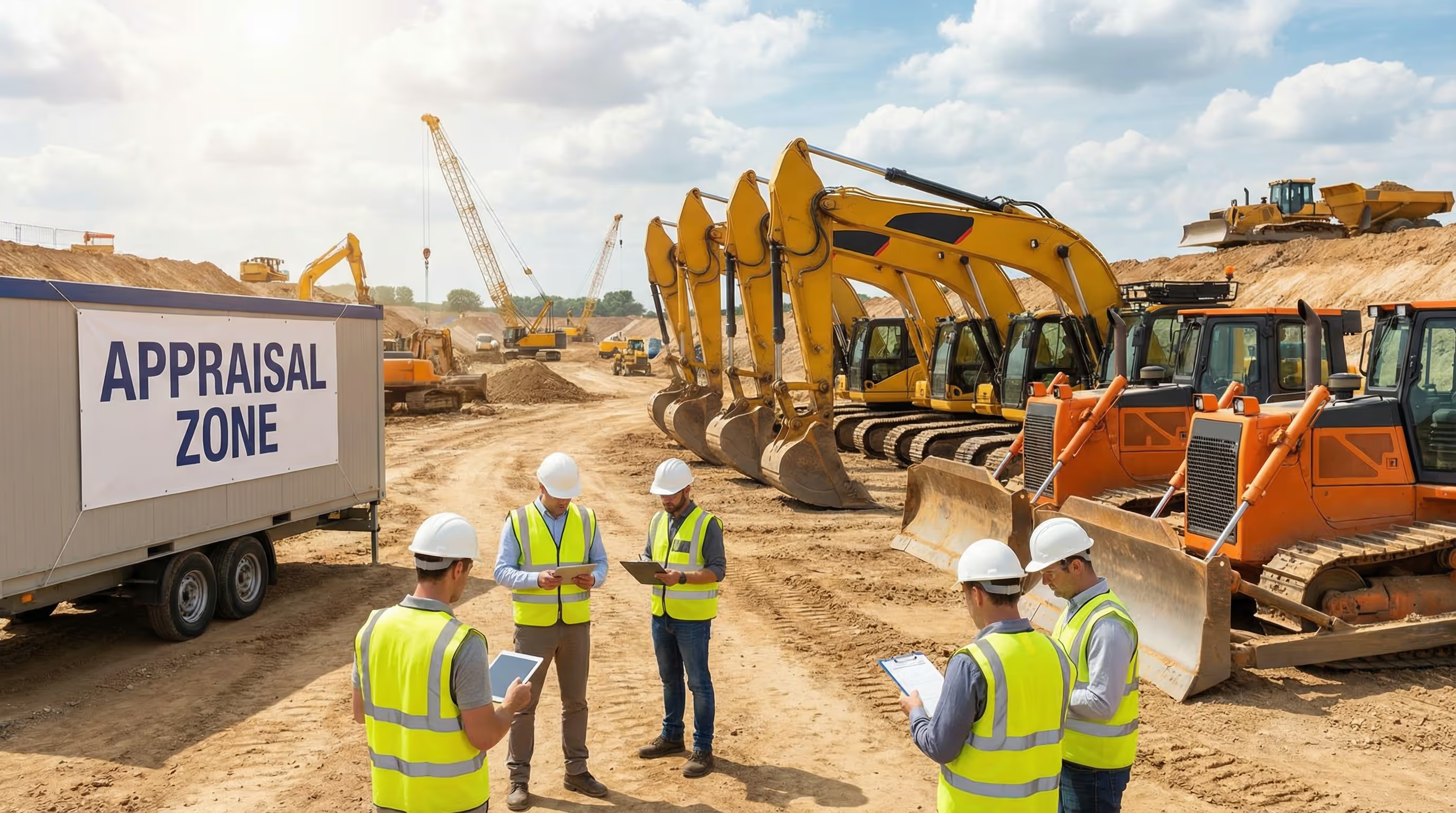
Heavy machinery appraisal and construction equipment evaluation

Replacement cost appraisal

Replacement cost appraisals estimate the current cost to replace your equipment with new or similar models, minus appropriate depreciation for age and wear. This approach focuses on what you'd pay today to restore the same operational capacity.

Insurance companies typically require replacement cost appraisals to set coverage limits and process claims. You'll also use this type when budgeting for equipment upgrades or evaluating specialized machinery where market comparables are limited.

The cost approach dominates replacement cost appraisals, starting with current new equipment prices and subtracting depreciation for physical wear, functional obsolescence, and technological advances that reduce the older equipment's utility.

Orderly liquidation value

Orderly liquidation value estimates the gross amount your equipment could bring if sold over a reasonable marketing period in an organized sale. This assumes adequate time to find buyers but recognizes the equipment must be sold rather than used in ongoing operations.

This appraisal type serves business restructuring, lender workouts, planned asset sell-offs, and organized wind-down scenarios. It provides a more conservative value than fair market value while allowing time for proper marketing.

Appraisers use modified sales comparison methods for orderly liquidation, analyzing auction results and distressed sales while accounting for the reasonable marketing period that distinguishes this from forced liquidation scenarios.

Forced liquidation value

Forced liquidation value represents the estimated amount realized in rapid or auction sales, often considered the worst-case scenario for equipment values. This assumes immediate sale necessity with limited marketing time and potentially distressed circumstances.

Bankruptcy proceedings, repossessions, foreclosures, and urgent cash needs typically require forced liquidation valuations. These appraisals help establish minimum recovery expectations and support legal proceedings involving distressed assets.

Important Note: Forced liquidation values typically run 30-50% below fair market values due to compressed sale timelines and limited buyer pools. Never use these values for normal business transactions or insurance purposes.

The sales comparison approach dominates forced liquidation appraisals, but appraisers focus specifically on auction results, distressed sales, and rapid disposal scenarios rather than normal market transactions.

Key valuation methods used in heavy machinery appraisals

Sales comparison approach

The sales comparison approach compares your equipment to recent sales and current listings of similar models, adjusting for differences in age, operating hours, condition, geographic region, and special features. This method forms the backbone of most equipment appraisals when good market data exists.

Appraisers search dealer networks, auction databases, and industry publications to find comparable sales, then make adjustments for significant differences between the subject equipment and the comparables. The process requires extensive market knowledge and access to reliable transaction data.

This approach works best for common equipment types with active secondary markets. Construction equipment like excavators and bulldozers typically have sufficient comparable sales data, while highly specialized or custom machinery may require different approaches. If you're dealing with construction equipment specifically, our resource on understanding the process of a construction equipment appraisal provides additional insights.

Cost approach

The cost approach starts with the current replacement cost of new equipment and subtracts depreciation for age, wear, and obsolescence. Appraisers consider physical deterioration from use, functional obsolescence from design improvements, and economic obsolescence from market changes.

This method proves valuable for specialized equipment, custom modifications, or situations where comparable sales data is scarce. Manufacturing equipment, custom-built machinery, and newly developed technology often require cost approach analysis.

Appraisers must understand current pricing for new equipment, typical depreciation patterns for specific machinery types, and how technological advances affect older equipment values. The challenge lies in accurately measuring obsolescence factors that reduce value beyond simple age-related depreciation.

Income approach

The income approach values equipment based on the cash flow it generates over its remaining useful life, capitalized at an appropriate rate of return. This method treats the equipment as an investment that produces measurable financial returns.

Revenue-generating rental fleets, production-critical manufacturing equipment, and machinery with trackable utilization rates and profit margins suit income approach analysis. The method requires detailed financial data about equipment performance and market-based capitalization rates.

Pro Tip: Income approach valuations work best when you have detailed records of equipment productivity, operating costs, and revenue generation. Without solid financial data, this method becomes unreliable and most appraisers will rely on other approaches.

USPAP requires appraisers to consider all applicable approaches and justify their chosen methods based on data quality, appraisal purpose, and equipment characteristics. Final values often represent reconciled conclusions using multiple approaches rather than single-method calculations.

Choosing the right appraisal type for your situation

Purpose/ScenarioRecommended Appraisal TypePrimary MethodKey NotesSelling equipment fleetFair Market ValueSales ComparisonFor negotiation and pricingInsurance coverageReplacement CostCost ApproachFocus on replacement valueBankruptcy/RepossessionForced LiquidationSales Comparison (distressed)Rapid sale scenarioBusiness restructuringOrderly LiquidationSales Comparison (modified)Reasonable marketing time

The table above provides general guidance, but your specific situation may require consultation with a certified appraiser to confirm the appropriate type. Factors like timeline, legal requirements, and intended use of the appraisal report all influence the best approach.

For example, if you're selling equipment to fund expansion, fair market value serves your needs. But if the same equipment secures a loan and the bank wants to know recovery value in default scenarios, they'll likely require orderly or forced liquidation values instead.

Understanding these distinctions helps you communicate clearly with appraisers and ensures you get reports that serve their intended purposes. The wrong appraisal type can lead to rejected loan applications, insurance coverage gaps, or unfavorable legal settlements. To avoid these pitfalls, review our guide on common mistakes to avoid when getting an equipment & machinery appraisal.

Getting professional heavy machinery appraisals provides tangible business benefits beyond simple price estimates. Accurate valuations support better sale pricing, strengthen your position in negotiations, and provide documentation for financing applications and insurance claims.

When disputes arise over equipment values in divorce, partnership dissolution, or insurance settlements, USPAP-compliant appraisals from certified professionals carry significant weight with courts and arbitrators. This defensibility often proves worth far more than the appraisal cost.

The appraisal process typically takes anywhere from a few days for single-machine desktop evaluations to several weeks for large multi-site fleet assessments. Timeline depends on equipment quantity, complexity, data completeness, and appraiser workload, so discuss scheduling early in the process. Learn more about the process of heavy machinery appraisal to better understand what to expect.

Choose appraisers with recognized credentials from organizations like the American Society of Appraisers (ASA) or American Machinery and Equipment Appraisers (AMEA), plus specific experience in your industry and equipment types. Their ability to defend valuations in legal proceedings or regulatory audits often determines the true value of their services. For detailed guidance on selecting the right professional, consult our article on how to find a qualified heavy machinery appraiser.

Certified heavy machinery appraiser inspection process

FAQ

What are the main types of heavy machinery appraisals?

The main types of heavy machinery appraisals are Fair Market Value (for normal buying/selling transactions), Replacement Cost (for insurance coverage), Orderly Liquidation Value (for planned asset sales with reasonable marketing time), and Forced Liquidation Value (for urgent sales or auction scenarios). Each type serves different business purposes and uses specific valuation methods to determine appropriate values.

What is the difference between fair market value and liquidation value for heavy equipment?

Fair market value assumes normal marketing time with willing buyers and sellers under no pressure, while liquidation values assume forced sale conditions. Orderly liquidation value allows reasonable marketing time but recognizes the equipment must be sold, while forced liquidation value reflects rapid auction-style sales. Liquidation values are typically 30-50% lower than fair market value due to compressed timelines and limited buyer pools.

When do I need a heavy machinery appraisal?

You need heavy machinery appraisals when buying or selling equipment, securing financing or refinancing loans, updating insurance coverage, handling legal disputes, preparing for bankruptcy proceedings, or managing estate planning and divorce settlements. Banks, insurance companies, courts, and the IRS often require USPAP-compliant appraisals to support their decisions and protect their interests.

How long does a heavy machinery appraisal take?

Heavy machinery appraisal timelines vary from a few days for single-machine desktop evaluations to several weeks for large multi-site fleet assessments. The timeline depends on equipment quantity, complexity, whether onsite inspection is required, data completeness, and appraiser workload. Providing complete equipment information and documentation upfront helps expedite the process.

Related Appraisals We Offer

Related Articles

BEST-IN-CLASS APPRAISERS, CREDENTIALED BY: