Step-by-Step Guide to Preparing for Your Agricultural Equipment Appraisal

Last Updated on Jul 20, 2025
Originally Published on Jul 20, 2025
Thank you! Your submission has been received!
Oops! Something went wrong while submitting the form.
Nationwide Service
Onsite or Online
USPAP-Compliant
IRS Qualified
DEFENSIBLE, USPAP-COMPLIANT APPRAISAL REPORTS — ACCEPTED BY 10,000+ ORGANIZATIONS
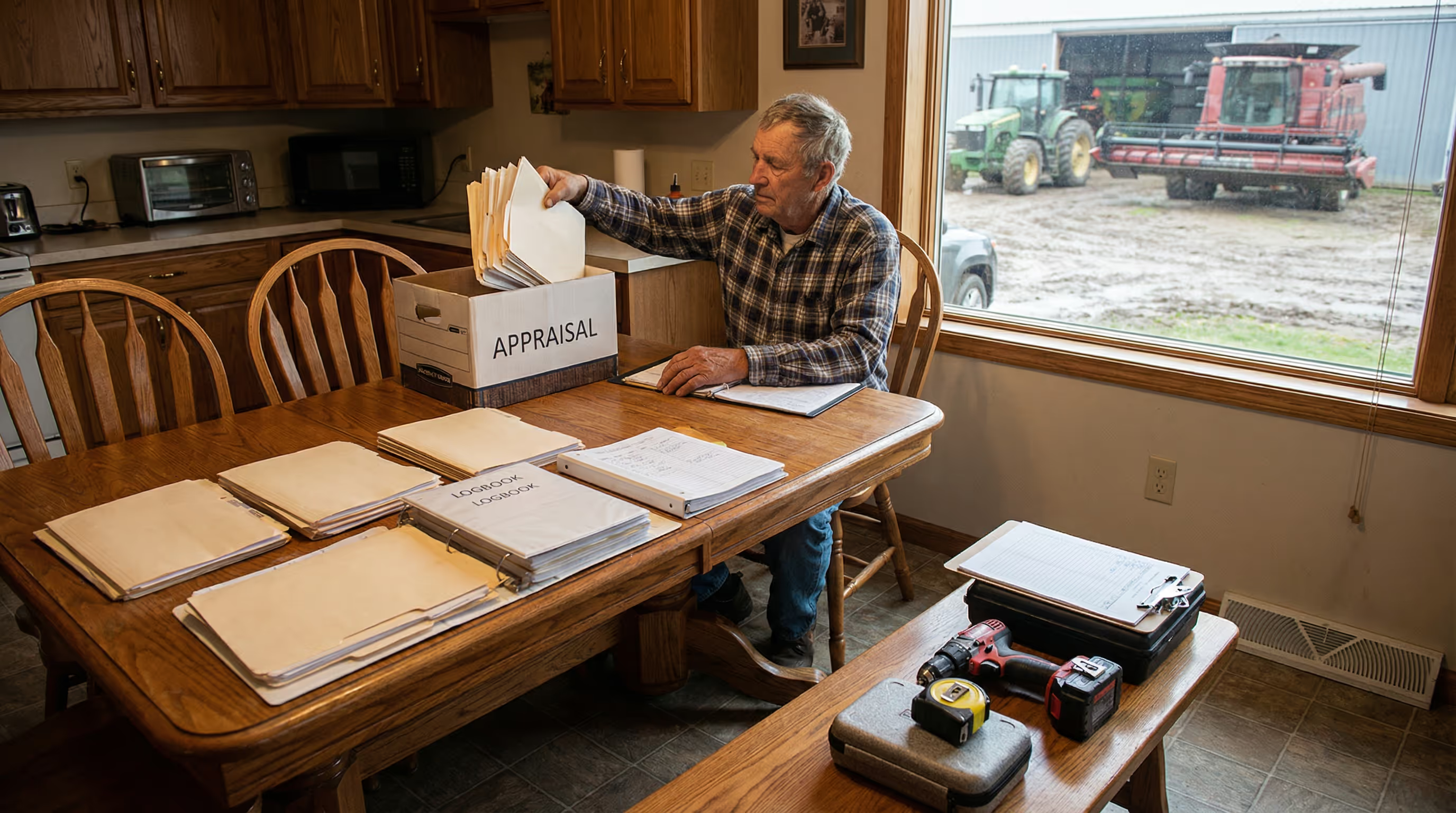
farmer organizing documents and equipment for appraisal inspection

If your lender, insurance company, or attorney has told you need an agricultural equipment appraisal, you might be wondering what comes next. An agricultural equipment appraisal is a professional evaluation that determines the current market value of your farm machinery and equipment. Whether you're refinancing, settling an estate, or filing an insurance claim, proper preparation can make the difference between a smooth process and costly delays.

This guide walks you through exactly how to prepare for your appraisal, what information you'll need, and how to ensure you get an accurate valuation that serves your specific needs.

Key insight: Well-prepared equipment owners typically see their appraisals completed 30% faster than those who aren't ready, saving both time and money.

When you need an agricultural equipment appraisal

Understanding why you need an appraisal helps determine the level of preparation required. Banks and lenders commonly request appraisals when you're financing equipment purchases or refinancing existing loans. They need to verify that your equipment provides adequate collateral for the loan amount.

Insurance companies require appraisals to establish proper coverage limits and process claims after damage or theft. Without current valuations, you risk being underinsured or facing disputes during claim settlements.

Estate planning and divorce proceedings often involve equipment appraisals to ensure fair distribution of assets. Legal professionals need defensible valuations that can withstand scrutiny in court or negotiations.

Business owners also use appraisals for financial reporting, partnership buyouts, and tax planning. The IRS may require professional appraisals for certain deductions or when equipment values exceed specific thresholds. Understanding what is agricultural equipment appraisal can help you determine if you need one for your specific situation.

Essential documents and information to gather

Before your appraiser arrives, compile a complete inventory of all equipment to be valued. For each piece, you'll need the make, model, year, serial number, and current hour meter reading. This basic information forms the foundation of any accurate appraisal.

Ownership documentation proves you have legal title to the equipment. Gather titles, bills of sale, loan agreements, and any previous appraisal reports. If equipment is leased or under financing, include those agreements as well.

organized maintenance records and equipment documentation spread on desk

Maintenance and repair records demonstrate how well you've cared for your equipment. Collect service records, major repair invoices, and documentation of any modifications or upgrades. Well-maintained equipment typically receives higher valuations than similar pieces with poor maintenance histories.

Financial records help appraisers understand the equipment's role in your operation. Include recent tax returns showing depreciation schedules, insurance policies with current coverage amounts, and any recent purchase or sale agreements for similar equipment. For a comprehensive overview of what you'll need, review this checklist for preparing your agricultural equipment for appraisal.

Pro tip: Take current photos of each piece of equipment from multiple angles, including close-ups of hour meters, condition issues, and any special features or attachments.

Preparing your equipment and site

Clean your equipment enough that serial numbers and hour meters are clearly visible. You don't need a showroom shine, but removing excessive dirt and debris helps appraisers work more efficiently and may positively impact their condition assessment.

Organize your equipment in accessible locations. If possible, move tractors, combines, and other mobile equipment to open areas where appraisers can walk around them safely. Ensure all keys, fobs, and access codes are available so appraisers can start engines and test functions when necessary.

Clear pathways to equipment stored in barns or sheds. Appraisers need adequate lighting and space to conduct thorough inspections. If equipment is stored in multiple locations, create a simple map showing where each piece can be found.

Test that all equipment starts and operates properly before the appraisal. While appraisers expect normal wear and tear, non-functioning equipment may receive significantly lower valuations. Address any obvious mechanical issues beforehand if possible. Learn more about how to prepare for a farm equipment appraisal to ensure you're fully ready.

What happens during the appraisal process

Professional appraisers follow a systematic process that typically takes one to three days onsite, depending on the quantity and complexity of your equipment. They'll begin by verifying your equipment inventory against their inspection list, noting any discrepancies or additions.

During the physical inspection, appraisers examine each piece for condition, functionality, and completeness. They'll record serial numbers, take photographs, and note any damage, modifications, or missing components. Expect them to start engines, test hydraulics, and check hour meters when possible.

professional appraiser inspecting farm tractor with clipboard and camera

Market research follows the onsite inspection. Appraisers analyze recent sales of comparable equipment, considering factors like age, condition, location, and market demand. They may consult dealer networks, auction results, and industry databases to establish current market values.

The final step involves preparing a detailed report that documents their findings and conclusions. USPAP-compliant appraisals include photographs, equipment descriptions, market analysis, and a clear statement of value. Most appraisers deliver reports within one to two weeks after completing their onsite work. To understand what happens during the process, read about what to expect during a farm equipment appraisal.

Choosing the right appraiser for your needs

Not all appraisers have experience with agricultural equipment. Look for professionals who hold credentials from recognized organizations like the American Society of Appraisers or the American Society of Agricultural Appraisers. These credentials ensure they follow industry standards and continuing education requirements.

Verify that your appraiser is USPAP-compliant, meaning they follow the Uniform Standards of Professional Appraisal Practice. Banks, courts, and government agencies typically require USPAP-compliant reports for official purposes.

Consider the appraiser's specific experience with your type of equipment and geographic region. Someone familiar with local markets and similar operations will likely provide more accurate valuations than a generalist appraiser.

Report TypeBest ForInspection RequiredTypical TurnaroundDesktopQuick estimates, internal useNo3-5 daysSummaryLending, insuranceYes1-2 weeksComprehensiveLegal proceedings, complex assetsYes2-3 weeks

Ask potential appraisers about their turnaround times, fee structure, and experience with your intended use. A qualified appraiser should be able to explain their process clearly and provide references from similar assignments. Before making your decision, review these 10 essential questions to ask your farm equipment appraiser.

Getting your agricultural equipment properly appraised doesn't have to be stressful. With the right preparation and a qualified appraiser, you'll have the defensible valuations you need for financing, insurance, legal proceedings, or business planning. Take time to gather your documentation, prepare your equipment, and choose an experienced professional who understands your specific needs. Avoid common mistakes during a farm equipment appraisal to ensure the best possible outcome.

AppraiseItNow provides USPAP-compliant agricultural equipment appraisals nationwide, with certified appraisers who understand the unique challenges of farm operations. Contact us today to discuss your appraisal needs and get started with a consultation.

Frequently Asked Questions

What information do I need to gather before an agricultural equipment appraisal?

You'll need to compile the make, model, year, and serial number for each piece of equipment, along with current hour meter readings. Gather ownership documents like titles and bills of sale, maintenance and repair records, and any documentation of modifications or upgrades. Having this information organized and readily available helps appraisers work more efficiently and ensures a more accurate valuation.

How long does an agricultural equipment appraisal typically take?

The onsite inspection usually takes one to three days, depending on the quantity and complexity of your equipment. After the physical inspection, appraisers need additional time to research market data and prepare the report. Most appraisers deliver completed reports within one to two weeks after finishing their onsite work, though larger or more complex assignments may take longer.

What should I expect during the appraisal inspection?

The appraiser will systematically examine each piece of equipment, recording serial numbers, taking photographs, and noting condition, functionality, and completeness. They may start engines, test hydraulics, and check hour meters when possible. You or a knowledgeable operator should be available to answer questions about usage, maintenance history, and any modifications, but avoid pressuring the appraiser about target values.

How do I choose the right agricultural equipment appraiser?

Look for appraisers with credentials from recognized organizations like the American Society of Appraisers and ensure they follow USPAP (Uniform Standards of Professional Appraisal Practice) compliance. Verify their specific experience with agricultural equipment and your geographic region, as local market knowledge is crucial for accurate valuations. Ask about their turnaround times, fee structure, and experience with your intended use case.

Related Appraisals We Offer

Related Articles

BEST-IN-CLASS APPRAISERS, CREDENTIALED BY: