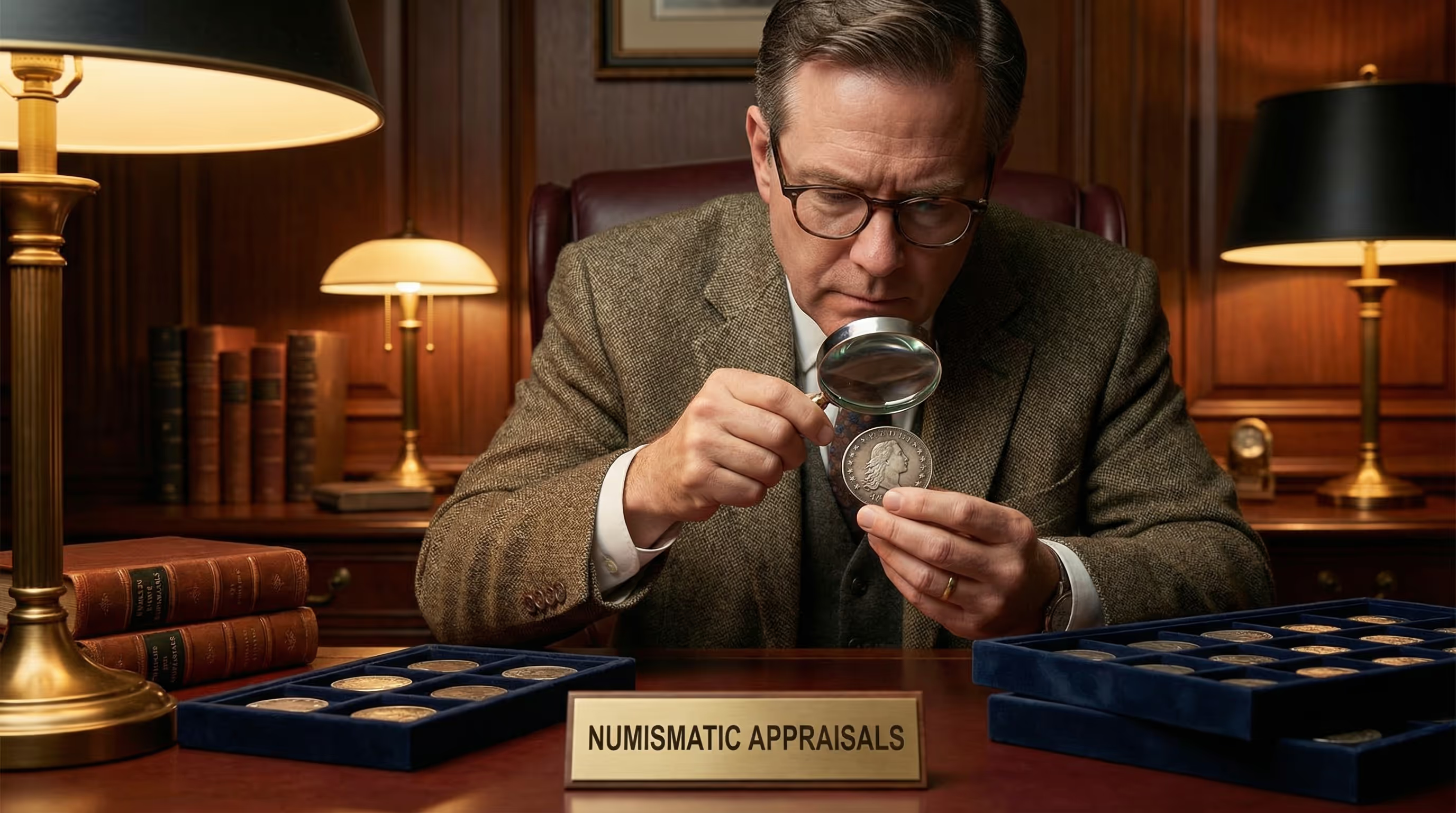
Understanding the true value of your stamp and coin collection starts with knowing how professional appraisers evaluate these items. The two most critical factors that determine value are rarity and condition, which work together to establish market price. Whether you're looking to sell, insure, or simply understand your collection's worth, knowing these evaluation principles helps you make informed decisions.
Quick Fact: A coin's grade can increase its value by 300-500% when moving from "Good" to "Mint State" condition, making professional assessment crucial for accurate valuation.
A stamp and coin appraisal involves a systematic evaluation by certified professionals who examine rarity, condition, and market demand. These appraisals provide essential documentation for insurance, estate planning, or sale purposes. The process requires specialized knowledge of grading standards, market trends, and authentication techniques that most collectors don't possess. Understanding the need-to-know basics of coin appraisals can help you prepare for this important process.
Rarity forms the foundation of any valuable stamp or coin collection. The fewer examples that exist, the higher the potential value becomes. For coins, mintage numbers tell the story - a coin produced in quantities of 10,000 will typically be worth more than one minted in millions. Historical events also create rarity, such as coins recalled due to errors or stamps issued for short periods.
Age alone doesn't guarantee rarity. Many ancient coins are actually common because they were produced in large quantities, while some modern coins with minting errors can be extremely rare. The key lies in understanding production numbers, survival rates, and collector demand for specific items. When appraising historic coins and medals, these factors become particularly important in evaluating rarity and significance.

Special features significantly impact rarity assessment. Coins with double dies, off-center strikes, or wrong metal compositions become highly sought after. Similarly, stamps with printing errors, inverted centers, or missing colors can command premium prices. These anomalies create unique collectible items that serious collectors actively pursue. For those interested in philatelic treasures, appraising collectible stamps requires specialized knowledge to determine the worth of rare finds.
Condition grading requires trained eyes and proper equipment. Professional appraisers use standardized grading scales like the Sheldon Scale for coins (1-70 points) and similar systems for stamps. They examine surfaces under magnification, looking for wear patterns, scratches, discoloration, and other factors that affect grade.
The grading process involves multiple steps. First, appraisers check for authenticity using various detection methods. Then they assess the strike quality, luster, and surface preservation. Even minor imperfections can significantly impact the final grade and resulting value. Learning how to properly prepare for a coin appraisal can help ensure you get the most accurate assessment possible.
Coin GradeDescriptionValue ImpactMS-70Perfect conditionMaximum valueMS-65Gem uncirculatedHigh premiumAU-55About uncirculatedModerate premiumVF-20Very fineBase collector value
Environmental factors play crucial roles in condition assessment. Coins stored in humid conditions may show corrosion, while stamps exposed to light can fade. Professional appraisers factor in these preservation issues when determining grades and providing care recommendations.
Market demand creates the final piece of the valuation puzzle. Even rare items in excellent condition need collector interest to maintain high values. Trends in collecting can shift dramatically - what's popular today might be less desirable tomorrow. Appraisers must stay current with market movements and collector preferences.
Economic conditions also influence collectible markets. During uncertain times, precious metal coins often see increased demand, while decorative items may lose appeal. Geographic factors matter too - certain stamps or coins may be more valuable in their countries of origin due to local collecting traditions. Understanding fluctuations in coin prices helps collectors make more informed decisions about their investments.
Market Insight: Collector demographics are shifting younger, with digital natives preferring items with strong online presence and documented provenance, affecting which pieces command premium prices.
Auction results provide valuable market data for appraisers. Recent sales of comparable items help establish current market values, though appraisers must account for auction house premiums, condition differences, and market timing when making comparisons. For those considering investment strategies for collecting coins, understanding these market dynamics is essential.
Distinguishing genuine items from reproductions requires extensive knowledge and specialized equipment. Modern counterfeiting techniques can be sophisticated, making authentication increasingly challenging. Professional appraisers use various methods including weight analysis, metal composition testing, and microscopic examination of printing techniques.

Restoration presents complex valuation challenges. While careful conservation can improve appearance, it may also reduce collectible value. Original condition, even with flaws, often commands higher prices than restored items. Appraisers must identify any restoration work and factor its impact into their valuations.
The decision to restore damaged items requires careful consideration. Professional conservation can cost hundreds or thousands of dollars, and the improved condition may not justify the expense. Appraisers help collectors understand when restoration makes financial sense and when items are better left unchanged.
Understanding how rarity and condition interact to determine value helps you make better decisions about your collection. Whether you're buying, selling, or simply curious about what you own, professional appraisal provides the expertise needed for accurate valuation. At AppraiseItNow, our certified appraisers bring decades of experience to help you understand your collection's true worth and make informed decisions about your valuable stamps and coins.
Professional appraisal costs typically range from $100-500 depending on collection size and complexity. USPAP-certified appraisers charge based on time and expertise required, not item value. Many companies offer free preliminary evaluations to determine if a formal appraisal is worthwhile for your collection.
The Sheldon Scale rates coins from 1-70, with 70 being perfect mint state. Grades like MS-65 (Gem Uncirculated) to MS-70 (Perfect) command premium prices, while lower grades like VF-20 (Very Fine) represent base collector value. A single grade improvement can increase value by 300-500%.
Restoration can improve appearance but often reduces collectible value. Original condition, even with flaws, typically commands higher prices than restored items. Professional conservation may cost hundreds to thousands of dollars without guaranteeing increased value. Consult an appraiser before any restoration work.
Look for low mintage numbers, minting errors, historical significance, or items from short production periods. Coins with double dies, off-center strikes, or wrong metal compositions, and stamps with printing errors or inverted centers are typically rare. Age alone doesn't guarantee rarity - many ancient coins are common while some modern error coins are extremely valuable.