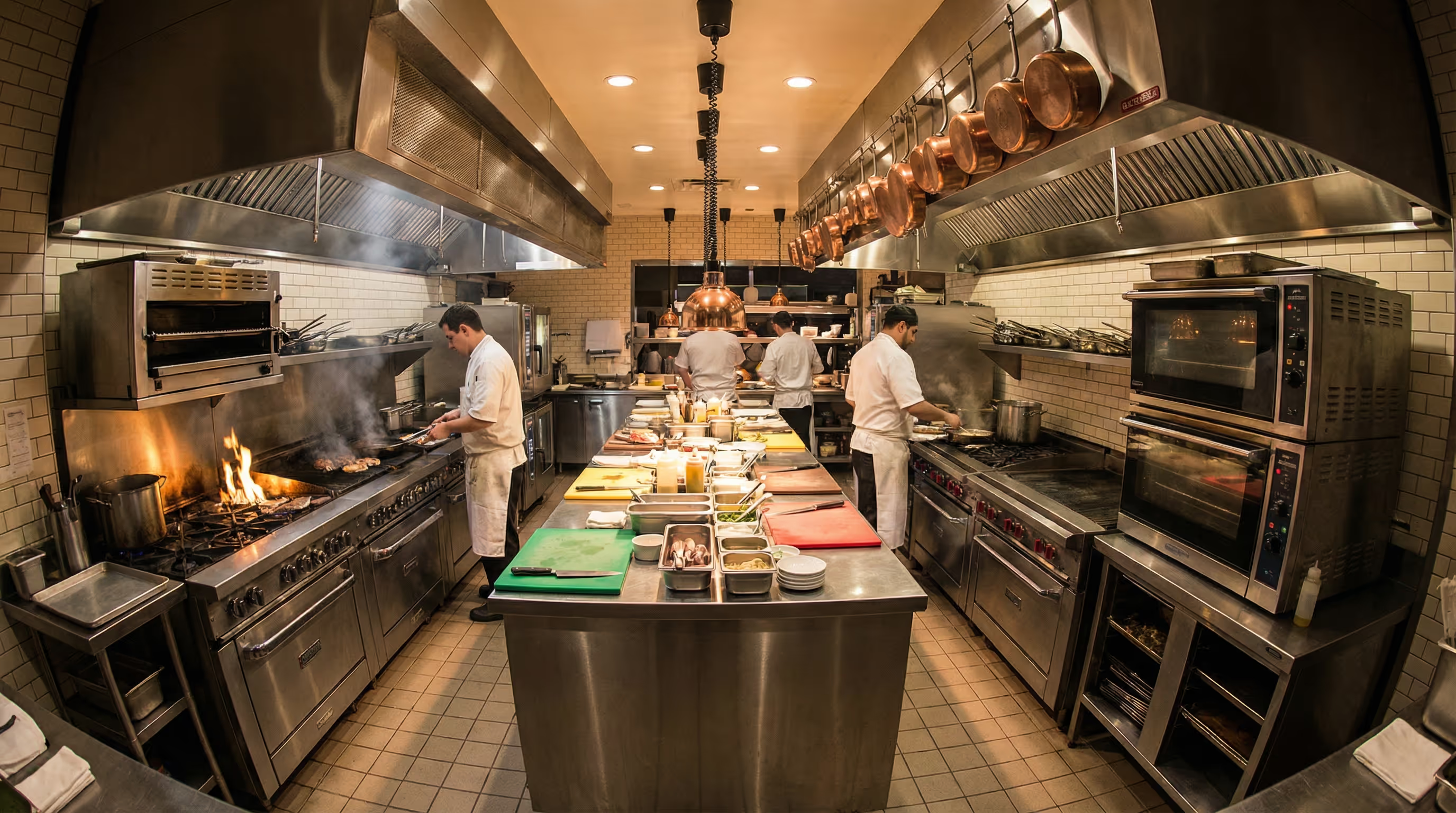
Picture this: your restaurant's kitchen equipment is damaged in a fire, and your insurance company offers you $30,000 for equipment you know cost $80,000 to purchase. Without proper documentation of your equipment's value, you're stuck accepting their lowball offer. This scenario happens more often than you'd think, leaving restaurant owners significantly undercompensated.
A professional restaurant equipment appraisal provides defensible documentation of your equipment's fair market value, protecting your investment and ensuring you receive appropriate compensation in insurance claims, sales negotiations, or legal disputes. Professional appraisals typically cost between $400 and $600 but can save you thousands when you need to prove your equipment's worth to insurers, lenders, or buyers.
Quick Answer: Restaurant equipment appraisals determine the fair market value of your kitchen and dining equipment through professional inspection and market analysis, providing legally defensible documentation accepted by courts, insurance companies, and the IRS.
In this guide, you'll learn exactly when you need a professional appraisal, how the process works, what it costs, and how to choose a qualified appraiser who delivers USPAP-compliant reports that protect your business interests.
Your restaurant equipment represents a significant investment, often ranging from $40,000 for a small café to over $300,000 for a full-service restaurant. Yet many owners operate without knowing their equipment's current market value, leaving themselves vulnerable to financial losses.
Without professional documentation, you risk being underinsured by thousands of dollars. Insurance companies often use depreciated book values or generic estimates that don't reflect your equipment's true worth. When disaster strikes, you could receive settlements that barely cover replacement costs.
The stakes are equally high during business transactions. Buyers and sellers frequently disagree on equipment values, leading to stalled negotiations or unfair deals. Lenders also require accurate valuations for equipment-backed loans, and outdated or informal estimates can derail financing applications.

Professional appraisals eliminate these risks by providing objective, market-based valuations that all parties can trust. They're particularly crucial during partnership disputes, divorce proceedings, or estate settlements where emotions run high and accurate asset division is essential. Understanding the basics of restaurant equipment appraisals can help you navigate these complex situations with confidence.
A professional restaurant equipment appraisal is a comprehensive evaluation conducted by a certified appraiser who determines the fair market value of your kitchen and dining equipment. Unlike informal estimates or dealer quotes, professional appraisals follow strict industry standards and provide legally defensible documentation.
The appraiser conducts a thorough on-site inspection, examining each piece of equipment's condition, age, brand, model, and functionality. They photograph everything and document serial numbers, specifications, and any modifications or damage. This detailed inventory becomes part of your permanent record.
Fair market value represents the price a willing buyer would pay a willing seller in an open market, with both parties having reasonable knowledge of relevant facts. This differs from replacement cost, which reflects what you'd pay for new equipment, or liquidation value, which assumes a forced sale scenario.
Key Insight: Professional appraisals are USPAP-compliant and IRS-qualified, meaning they meet strict federal standards for accuracy and methodology, making them acceptable in legal proceedings and tax situations.
The final report includes detailed descriptions, photographs, valuation methodology, and the appraiser's credentials. This comprehensive documentation provides the foundation for insurance coverage, loan applications, business sales, and legal proceedings. For those new to the process, a guide to navigating restaurant equipment appraisals offers valuable insights into what to expect.
Several situations require professional equipment appraisals, and timing matters significantly. Getting an appraisal before you need it ensures you're prepared when circumstances demand immediate documentation.
Insurance planning represents the most common need. Many restaurant owners discover they're underinsured only after filing a claim. Professional appraisals help you secure adequate coverage and streamline the claims process when accidents occur.
Business transactions also require accurate valuations. Whether you're buying, selling, or merging restaurants, equipment values significantly impact deal negotiations. Sellers want maximum value, while buyers seek fair pricing, and professional appraisals provide the objective foundation both parties need.
Financial situations frequently trigger appraisal requirements. Banks require equipment valuations for asset-based loans, and SBA lenders often request professional appraisals for restaurant financing. Equipment can serve as collateral, but lenders need verified values to assess risk properly.
Legal proceedings create urgent appraisal needs. Partnership disputes, divorce cases, bankruptcy proceedings, and estate settlements all require accurate asset valuations. Courts accept professional appraisals as credible evidence, while informal estimates carry little legal weight. Learn more about when to get a restaurant equipment appraisal to ensure you're prepared for any situation.

The appraisal process follows a structured approach designed to ensure accuracy and compliance with professional standards. Understanding each step helps you prepare effectively and ensures smooth completion.
Discovery and Document Review begins the process. The appraiser gathers information about your equipment, including purchase receipts, maintenance records, and any previous appraisals. They'll ask about recent upgrades, repairs, or replacements that might affect values. This preliminary work helps them understand your equipment's history and current condition.
On-site Inspection or Virtual Walkthrough forms the appraisal's foundation. The appraiser visits your restaurant to examine each piece of equipment personally. They document serial numbers, measure dimensions, test functionality, and photograph everything from multiple angles. Some appraisers offer virtual inspections for certain situations, though on-site visits typically provide more comprehensive evaluations. To better understand what to expect during your restaurant equipment appraisal, review the detailed inspection procedures.
Market Research and Valuation Analysis follows the inspection. The appraiser researches comparable sales, analyzes market trends, and applies appropriate valuation methods. They consider factors like equipment age, condition, brand reputation, and local market conditions. This analysis determines fair market value based on current market realities.
Report Delivery completes the process. You'll receive a comprehensive document including equipment inventory, photographs, condition assessments, valuation methodology, and value conclusions. The report includes the appraiser's credentials and signature, making it legally defensible for insurance, legal, or financial purposes.
Project TypeTypical ScopeFee RangeSmall café15-25 equipment items$400-$600Casual dining30-50 equipment items$600-$900Full-service restaurant50+ equipment items$900-$1,500
The entire process typically takes 1-3 weeks from initial contact to report delivery, depending on scheduling and project complexity.
Time-Saving Tip: Prepare equipment purchase receipts, maintenance records, and serial number lists before the appraiser arrives to expedite the inspection process and potentially reduce costs.
Professional appraisals provide the documentation you need to protect your investment, whether you're dealing with insurance companies, potential buyers, lenders, or legal proceedings. The cost is minimal compared to the financial protection and peace of mind they provide. For guidance on selecting qualified professionals, review how to select the right restaurant equipment appraiser.
Getting a professional restaurant equipment appraisal isn't just about compliance or paperwork. It's about protecting the significant investment you've made in your business and ensuring you receive fair treatment when equipment values matter most. Whether you're planning ahead or responding to immediate needs, working with qualified appraisers who understand restaurant equipment markets gives you the documentation and confidence to make informed decisions about your business assets. To maximize the benefits of your appraisal, explore strategies for making the most out of your restaurant equipment appraisal.
A professional restaurant equipment appraisal is a formal valuation of your kitchen, bar, and dining room equipment performed by a certified equipment appraiser. It establishes a defensible fair market value through thorough inspection and market analysis, providing USPAP-compliant documentation accepted by courts, insurance companies, lenders, and the IRS for loans, sales, insurance claims, and legal proceedings.
Restaurant equipment appraisals typically cost between $400-$600 for small cafés with 15-25 equipment items, $600-$900 for casual dining establishments with 30-50 items, and $900-$1,500 for full-service restaurants with 50+ equipment pieces. The final cost depends on factors like restaurant size, equipment complexity, number of locations, and whether an onsite or virtual inspection is required.
The complete restaurant equipment appraisal process typically takes 1-3 weeks from initial contact to final report delivery. The onsite inspection usually requires a few hours to a full day depending on restaurant size, while the market research, analysis, and report preparation takes 1-2 weeks. Rush services may be available for urgent situations with expedited timelines.
Fair market value represents what a willing buyer would pay a willing seller in normal market conditions, typically used for sales, purchases, and SBA loans. Liquidation value reflects equipment worth in forced sale scenarios like bankruptcy or urgent closures, usually 20-40% lower than fair market value. Professional appraisers match the appropriate value standard to your specific intended use of the appraisal report.