Picture this: you're ready to sell your restaurant, but potential buyers are questioning your equipment values. Or maybe your insurance company needs documentation after a kitchen fire. Without professional documentation, you're left guessing at values that could mean thousands of dollars in lost negotiations or inadequate coverage.
A restaurant equipment appraisal provides an independent, professional assessment of your kitchen and dining equipment's fair market value. This USPAP-compliant documentation is accepted by lenders, insurance companies, courts, and the IRS for various business purposes including sales, financing, insurance claims, and legal disputes.
Key Insight: Professional restaurant equipment appraisals typically cost between $1,500 to $5,000 depending on restaurant size and complexity, but can save thousands in negotiations and ensure proper insurance coverage.
At AppraiseItNow, our certified appraisers conduct nationwide restaurant equipment valuations that meet all professional standards. Whether you need an appraisal for selling your business, securing financing, or settling a dispute, we'll walk you through exactly what the process involves, what it costs, and how it protects your investment.
A restaurant equipment appraisal is a detailed professional evaluation that determines the current market value of your kitchen equipment, dining furniture, and related assets. Think of it as getting an expert second opinion on what your equipment is actually worth in today's market, not what you paid for it years ago.
You'll need a professional appraisal in several key situations. When buying or selling a restaurant, appraisals help structure fair deals and allocate purchase prices between equipment and goodwill. Lenders require them for SBA loans, refinancing, and equipment financing to establish collateral values. Insurance companies use appraisals to set coverage limits and process claims after fires, floods, or theft.
Legal situations also trigger appraisal needs. Divorce proceedings, partnership buyouts, estate settlements, and business disputes all require independent valuations. Even routine business activities like financial reporting or tax planning may benefit from documented equipment values.
The appraiser must be certified and follow Uniform Standards of Professional Appraisal Practice (USPAP) guidelines. This ensures the report will be accepted by banks, courts, insurance companies, and government agencies. Amateur estimates or online calculators simply don't carry the same legal weight or credibility.

The appraisal process begins with a discovery call where you'll discuss the purpose of your appraisal, restaurant size, equipment types, and timeline. This helps the appraiser determine whether an on-site inspection or remote evaluation is most appropriate for your needs.
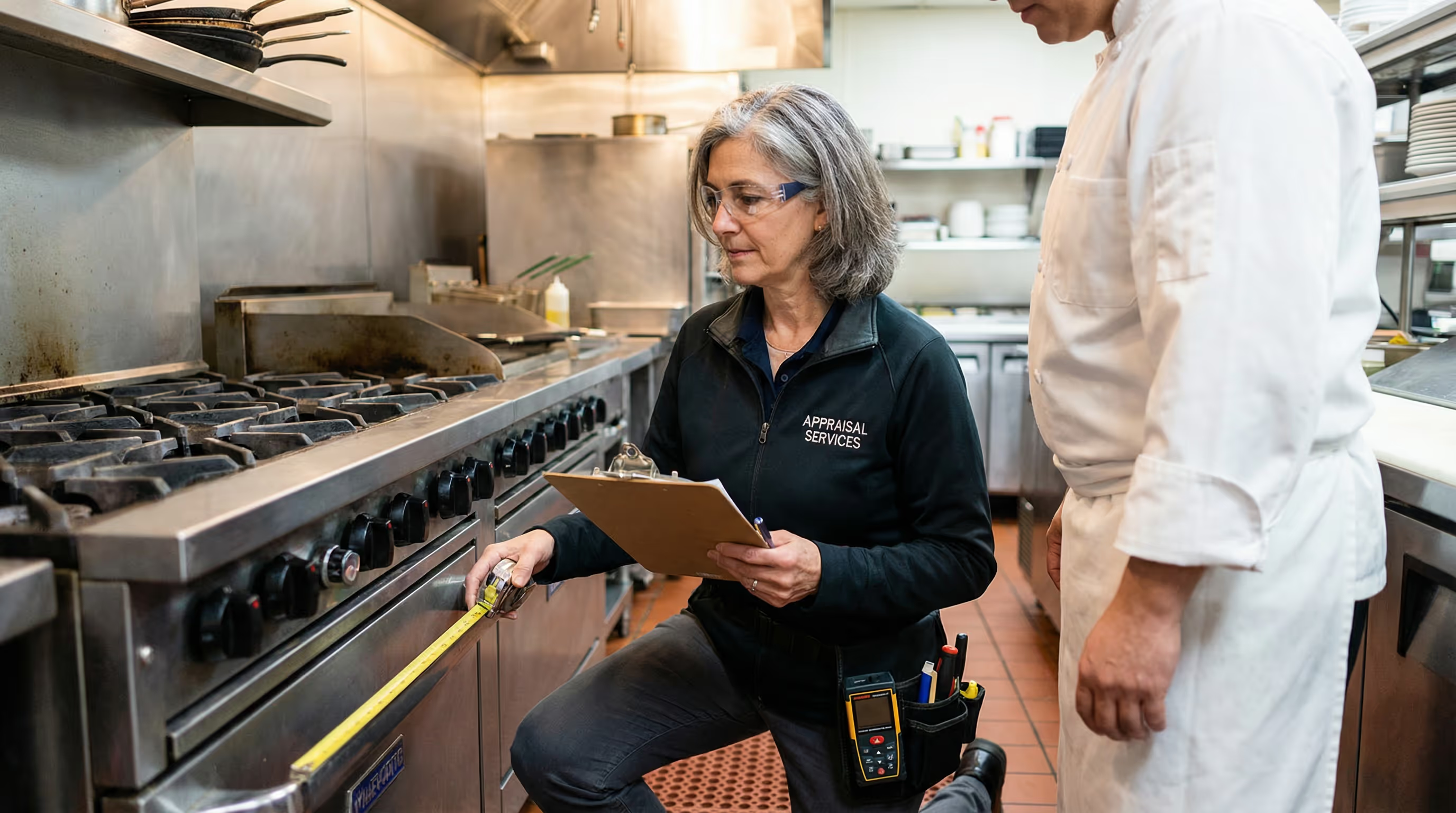
During the inspection phase, the appraiser conducts a thorough walkthrough of your facility. They photograph equipment, record serial numbers, note brands and models, and assess each item's condition. For remote appraisals, you'll provide detailed photos and equipment lists, though on-site visits generally produce more accurate results.
The research and analysis phase involves comparing your equipment to recent sales of similar items. Appraisers use multiple databases and market sources to establish current values, considering factors like age, condition, brand reputation, and local market demand. They apply appropriate depreciation based on actual wear and remaining useful life.
Important Note: The entire appraisal process typically takes 1-3 weeks from initial contact to final report delivery, depending on restaurant size and complexity.
Report preparation includes creating an itemized schedule of all appraised equipment with individual and total values. The report explains the methodology used, defines the standard of value applied, and includes the appraiser's credentials and certifications. This comprehensive documentation supports your specific business needs.
Finally, you'll receive the completed report in digital format, ready to submit to lenders, insurance companies, attorneys, or other parties. Many appraisers also provide brief consultation calls to explain findings and answer questions about using the report effectively.
Professional appraisers consider multiple factors when determining your equipment's value. Age and condition are primary drivers, but brand reputation, model popularity, and maintenance history also significantly impact worth. Energy-efficient models often retain value better than older, less efficient units.
The market approach compares your equipment to recent sales of similar items, adjusting for differences in condition, age, and features. The cost approach calculates replacement cost new and applies appropriate depreciation based on actual wear and economic obsolescence. Income approaches are rarely used for restaurant equipment unless the items generate specific revenue streams.
Different standards of value apply depending on your appraisal's purpose. Fair market value assumes willing buyers and sellers with reasonable marketing time, typically used for sales and financing. Orderly liquidation value assumes a shorter marketing period, often used for loan collateral. Forced liquidation value reflects quick-sale scenarios like bankruptcy auctions.
Value StandardTypical UseMarketing TimeRelative ValueFair Market ValueSales, financing, insurance3-6 monthsHighestOrderly LiquidationLoan collateral, bankruptcy1-3 monthsModerateForced LiquidationAuction, distressed saleDays to weeksLowest
Understanding these distinctions helps you communicate your needs clearly and ensures the appraiser applies the most appropriate standard for your situation. For a deeper dive into different valuation approaches for equipment, consider reviewing comprehensive guides on machinery appraisal methodologies.
Restaurant appraisals typically cover all business-related equipment and furniture. Back-of-house items include cooking equipment like ranges, ovens, grills, and fryers, plus refrigeration units, dishwashers, prep tables, and ventilation systems. Walk-in coolers and freezers are usually included if they're equipment rather than real estate improvements.
Front-of-house assets encompass dining tables, chairs, booths, bar equipment, point-of-sale systems, and display cases. Some appraisals include smallwares like pots, pans, and utensils, though this depends on the engagement scope and purpose.
Specialized equipment receives particular attention during valuation. Pizza ovens, bakery equipment, coffee systems, and custom installations often retain value differently than standard commercial kitchen items. Similar to food processing equipment appraisals, the appraiser's experience with your specific restaurant type becomes crucial for accurate valuations.
Pro Tip: Prepare equipment lists, purchase invoices, maintenance records, and floor plans before the appraisal to ensure nothing gets overlooked and to potentially reduce inspection time.
Intangible assets like liquor licenses, permits, and tenant improvements typically require separate valuations. However, installed equipment that's permanently affixed to the building may fall into a gray area requiring clarification during the engagement planning phase.

Getting a professional restaurant equipment appraisal protects your investment and supports critical business decisions. Whether you're selling, financing, or simply need documentation for insurance purposes, the process provides defensible values that stand up to scrutiny from lenders, insurers, and legal professionals.
The investment in a quality appraisal typically pays for itself through better negotiations, appropriate insurance coverage, and reduced dispute risks. Understanding common mistakes to avoid when getting an equipment appraisal can help ensure you receive maximum value from the process. When you're ready to move forward, contact AppraiseItNow for a consultation about your specific needs and timeline. Our certified appraisers deliver USPAP-compliant reports accepted nationwide by financial institutions, insurance companies, and courts.
Restaurant equipment appraisal costs typically range from $1,500 to $5,000 depending on the size and complexity of your restaurant. Factors that affect pricing include the number of equipment items, restaurant size, whether an on-site or desktop appraisal is needed, location, and urgency of the timeline. Most appraisers provide cost estimates after reviewing your equipment list and understanding the appraisal's purpose.
Fair market value represents what your used restaurant equipment would sell for in the current market between willing buyers and sellers, while replacement cost estimates what it would cost to buy new equipment of similar kind and quality today. Insurance policies often use replacement cost for coverage limits, whereas sales transactions, financing, and tax reporting typically require fair market value assessments.
Yes, most banks and SBA lenders require a professional restaurant equipment appraisal when the equipment serves as collateral for the loan. The appraisal must be USPAP-compliant and prepared by a qualified appraiser to document collateral value, meet regulatory requirements, and support the underwriting process. This helps lenders assess risk and speeds up loan approval.
The complete restaurant equipment appraisal process typically takes 1-3 weeks from initial contact to final report delivery. On-site inspections usually require a few hours to a full day depending on restaurant size, while the research, analysis, and report preparation phase takes additional time. Rush services may be available for urgent situations with shorter timelines.