Antique textiles and weavings represent some of the most intricate and historically significant art forms, often holding substantial monetary and cultural value. Whether you own a family heirloom tapestry, inherited silk fabrics, or discovered vintage weavings, understanding their true worth requires professional expertise.
Professional tapestry appraisers evaluate these pieces based on age, condition, materials, craftsmanship, and historical significance. Textiles over 100 years old are typically considered antiques, with silk pieces often commanding the highest values due to their rarity and durability. The appraisal process involves detailed examination of weaving techniques, dye analysis, and provenance research to establish authentic market value.
Quick Fact: Antique silk tapestries can range from hundreds to tens of thousands of dollars, depending on their origin, age, and condition. Persian and Oriental silk pieces often represent the highest value category in textile appraisals.
How tapestry appraisers determine value
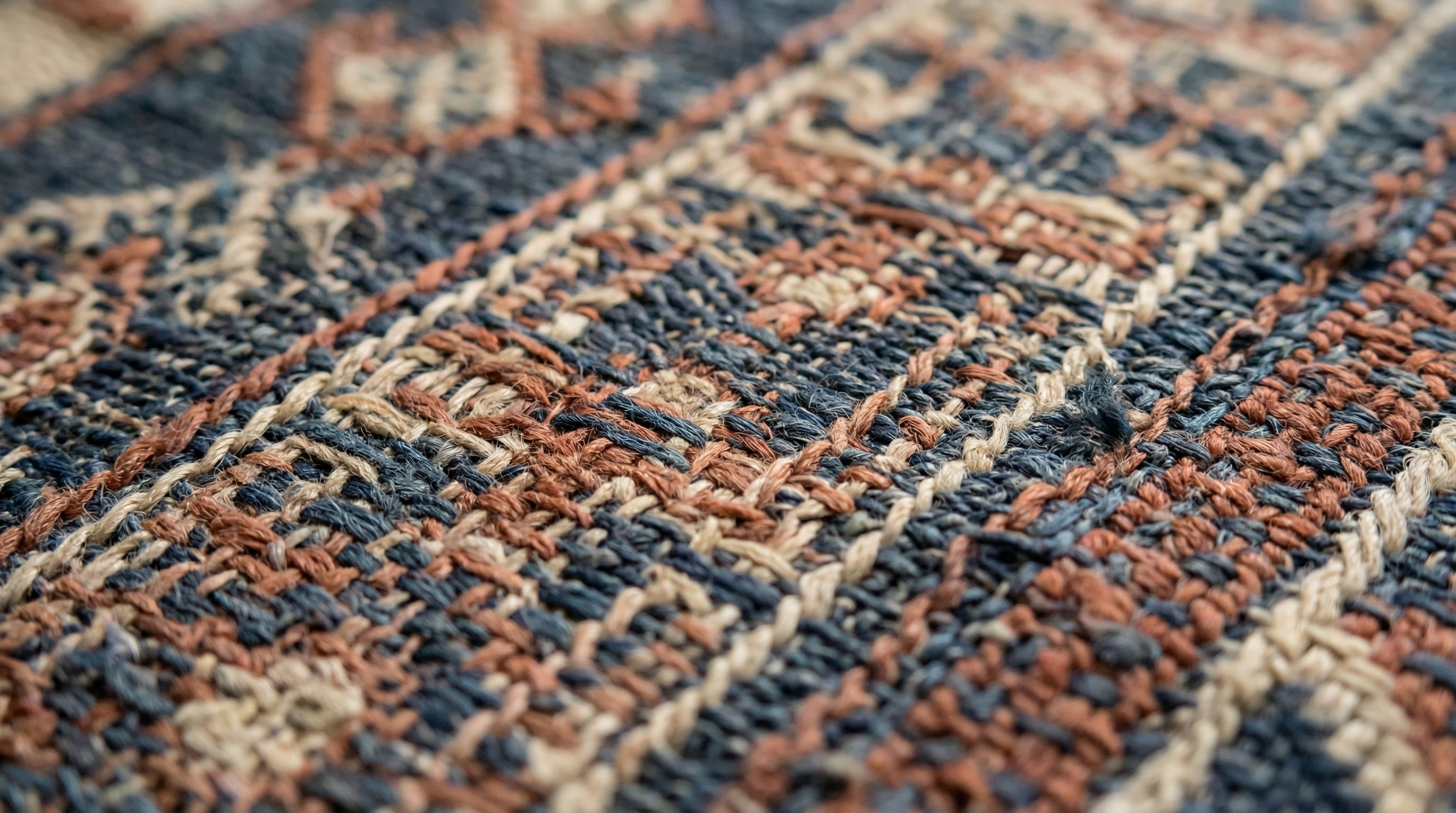
The valuation process for antique textiles combines scientific analysis with market expertise. Appraisers begin by examining the physical characteristics of the piece, including fiber composition, weaving techniques, and construction methods. They look for telltale signs of hand-knotting versus machine production, as handmade pieces typically command higher values.
Age verification involves analyzing dye composition and weaving patterns specific to certain historical periods. Natural dyes, for example, indicate older pieces and often increase value significantly. The appraiser also considers the textile's condition, noting any repairs, fading, or structural damage that might affect its worth.
Provenance plays a crucial role in determining value. Pieces with documented history, maker signatures, or connections to notable workshops or regions can see substantial value increases. For instance, textiles from renowned Persian workshops or those with royal connections often achieve premium pricing. Understanding the role of provenance in art appraisals is essential for accurate valuation of historical textiles.
Types of valuable antique textiles
Different categories of antique textiles command varying market values based on their rarity and cultural significance. Silk fabrics consistently rank among the most valuable, particularly those from Asian origins. These pieces showcase exceptional craftsmanship and have historically served as luxury items and even currency in some cultures.
Tapestries represent another high-value category, especially European pieces from the medieval and Renaissance periods. These large-scale weavings often depict historical scenes, religious themes, or heraldic designs and require extensive skill to create.
Persian and Oriental rugs form a specialized segment within textile appraisals. These pieces combine artistic beauty with functional design and often appreciate in value over time. Factors like knot density, design complexity, and workshop origin significantly influence their market worth.
| Textile Type | Value Range | Key Factors |
|---|---|---|
| Antique Silk | $500-$50,000+ | Origin, age, condition |
| Medieval Tapestries | $1,000-$100,000+ | Historical significance, size |
| Persian Rugs | $200-$200,000+ | Knot density, workshop, design |
| Vintage Lace | $50-$5,000+ | Handmade vs. machine, intricacy |
Factors that influence textile value
Several key elements determine the final appraised value of antique textiles. Age remains the primary factor, with pieces over 100 years old generally commanding higher prices. However, age alone doesn't guarantee value - condition plays an equally important role in determining worth. Similar to how condition impacts artwork appraisals, the state of preservation significantly affects textile valuations.
Regional origin significantly impacts valuation. Textiles from areas with rich weaving traditions, such as Persia, India, or certain European regions, often carry premium values. The specific workshop or maker can also dramatically influence price, particularly for pieces from renowned artisans or historical workshops. This mirrors the influence of regional styles in art appraisals across different markets.
Rarity and uniqueness contribute substantially to value. One-of-a-kind pieces or those representing rare techniques, patterns, or historical periods can command exceptional prices. Documentation supporting these claims becomes crucial for achieving top valuations.
Expert Tip: Always maintain any original documentation, purchase receipts, or family history related to your textile. This provenance information can significantly increase the appraised value and helps authenticate the piece's legitimacy.
The professional appraisal process
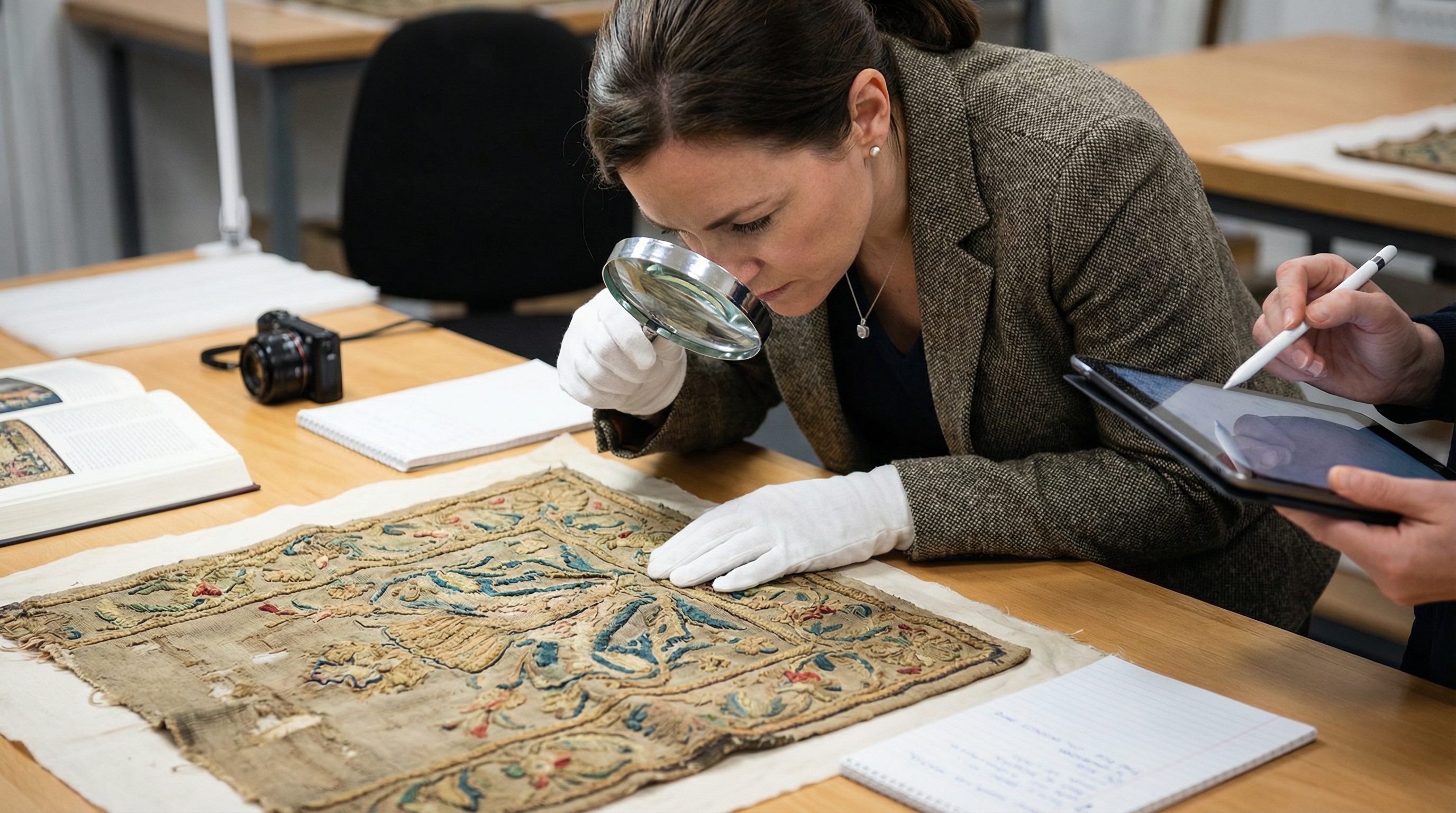
Professional textile appraisal typically takes one to four weeks, depending on the complexity and rarity of the piece. The process begins with a thorough visual examination, where the appraiser documents the textile's dimensions, materials, construction techniques, and overall condition.
Advanced analysis may include fiber testing to confirm material composition and age. Some appraisers work with textile scientists to analyze dye composition, which can provide definitive dating and authenticity verification. Photography from multiple angles documents the piece's current state and any notable features. Modern technology in art authentication has revolutionized how appraisers verify textile authenticity.
Market research forms the final component of the appraisal process. Appraisers compare the piece to recent sales of similar textiles, considering auction results, dealer prices, and insurance replacement values. This comprehensive approach ensures the final valuation reflects current market conditions and the piece's unique characteristics.
The completed appraisal report includes detailed descriptions, photographs, condition assessments, and market value conclusions. This documentation serves multiple purposes, from insurance coverage to estate planning and potential sales.
Important Note: Choose appraisers with specific textile expertise and recognized credentials. General antique appraisers may lack the specialized knowledge needed for accurate textile valuation, potentially resulting in significant under or over-valuation. When hiring a professional for artwork appraisals, ensure they have specialized expertise in textiles.
Professional tapestry and textile appraisal requires specialized expertise that combines historical knowledge, technical understanding, and current market awareness. Whether you're seeking insurance coverage, estate planning, or considering a sale, working with qualified appraisers ensures you receive accurate valuations that reflect your textile's true worth. Understanding the cultural significance beyond monetary value can also enhance your appreciation of these remarkable pieces. At AppraiseItNow, our certified appraisers bring decades of textile expertise to every evaluation, providing the detailed documentation and market insights you need for confident decision-making.