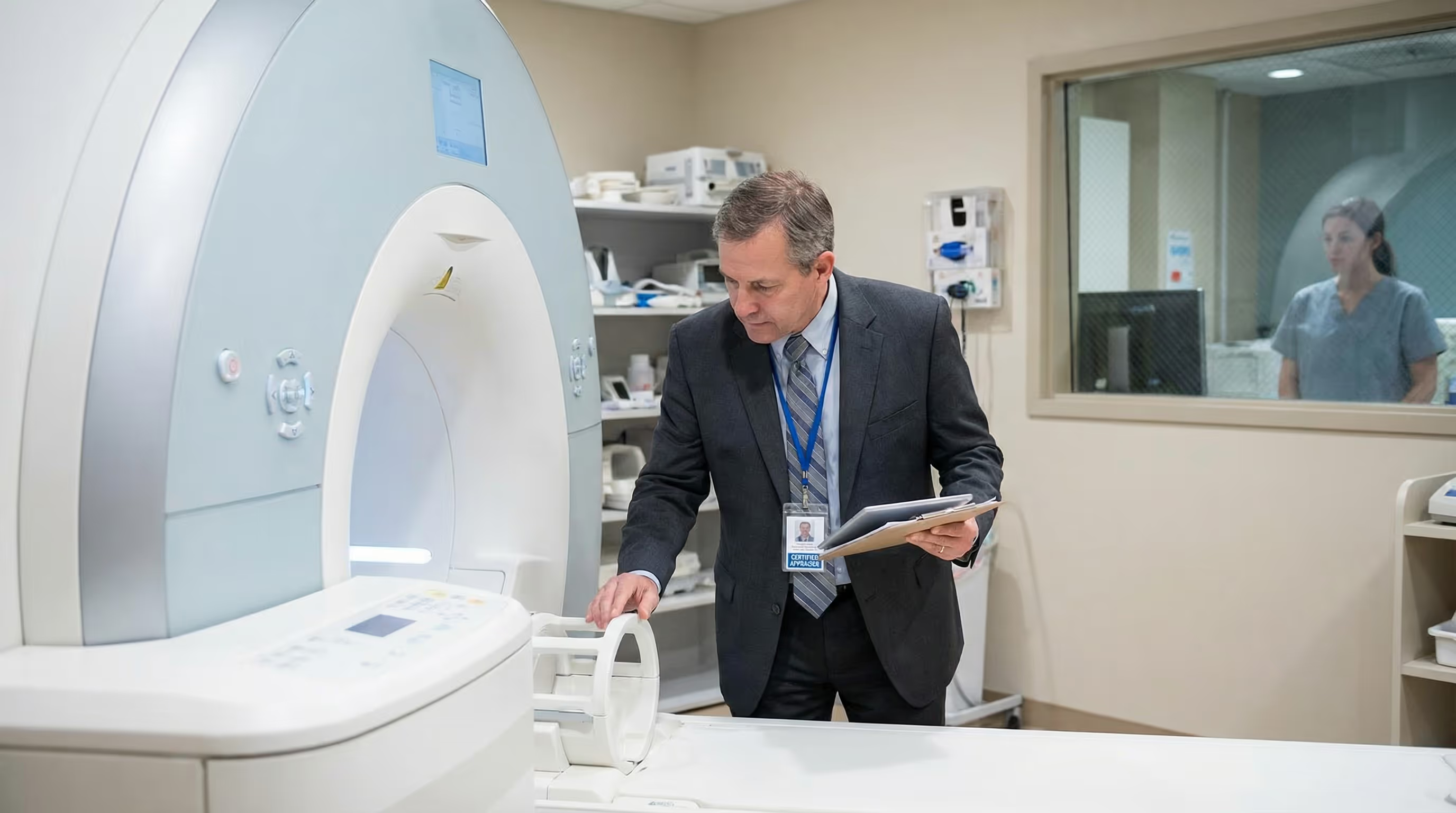
USPAP-compliant appraisals provide defensible documentation that satisfies IRS requirements for charitable donations, estate settlements, and tax reporting. Courts accept professional appraisals in divorce proceedings and shareholder disputes, while auditors rely on them for GAAP and GASB compliance.
Important note: IRS-qualified appraisers must handle donations over $5,000, making professional credentials essential for tax deduction claims.
The documentation protects against regulatory challenges and provides audit trails that demonstrate due diligence in financial reporting. This compliance support reduces legal risks and potential penalties.
Clear inventory documentation helps track assets across multiple locations and departments. Maintenance versus replacement decisions become data-driven when you understand current values and remaining useful life.
Insurance adequacy assessments prevent coverage gaps that could prove costly during equipment losses. Disaster planning benefits from knowing replacement costs and priorities for business continuity. These operational insights reduce downtime risks and support cost control initiatives. Learn more about insurance and medical equipment appraisals to ensure adequate coverage.
Medical equipment appraisals cover a comprehensive range of healthcare assets. The scope includes both individual items and complete facility inventories.
CategoryExamplesTypical SettingsDiagnostic ImagingMRI, CT, X-ray, ultrasoundHospitals, imaging centersSurgical EquipmentOperating tables, lasers, endoscopesSurgery centers, hospitalsLaboratoryAnalyzers, microscopes, centrifugesLabs, clinicsMonitoring SystemsPatient monitors, telemetryAll healthcare facilities
Specialized equipment like radiation therapy machines, dental imaging systems, and medical software platforms also qualify for professional appraisal. Complete departments, medical office buildouts, and entire facility inventories can be appraised as comprehensive projects.
Both single high-value items and large equipment portfolios benefit from professional valuation, with appraisers adapting their approach to match project scope and client needs. Similar to laboratory equipment appraisal processes, medical equipment valuations require specialized expertise.

Professional appraisers evaluate multiple factors to determine accurate market values. Understanding these criteria helps you prepare for the appraisal process and interpret results.
Equipment specifications including make, model, and configuration form the foundation of valuation. Age and usage hours indicate wear patterns, while maintenance history reveals care quality. Software versions and available options significantly impact value, especially for imaging equipment.
Remaining useful life calculations consider both physical condition and technological obsolescence. Regulatory status affects marketability, particularly for FDA-regulated devices. Market demand varies by equipment type and geographic location, influencing final values.
Installation requirements and site preparation costs factor into replacement value calculations. Recent comparable sales provide market benchmarks, while dealer quotes offer current pricing perspectives. This comprehensive analysis ensures valuations reflect real-world market conditions. To better understand factors that influence the value of medical equipment appraisals, consult with experienced professionals.
Pro tip: Gathering maintenance records and software documentation before the appraisal speeds the process and improves accuracy of the final valuation.
The appraisal process follows a structured approach that ensures thorough evaluation and defensible results. Understanding each step helps you prepare effectively and set appropriate expectations.
The process begins with discussing your appraisal purpose, whether for financing, insurance, legal proceedings, or tax compliance. You'll provide equipment lists, locations, and timeline requirements. The appraiser explains applicable standards like USPAP requirements and IRS qualifications based on intended use.
You gather purchase invoices, serial numbers, maintenance logs, and warranty information. Photos and prior appraisals supplement the documentation package. Better documentation accelerates the process and improves valuation accuracy.
Physical inspections verify equipment condition, configuration, and serial numbers. Desktop reviews rely on documentation and photos when on-site access isn't practical. The appraiser documents findings and photographs key equipment features. For guidance on what to expect during a medical equipment appraisal, prepare your facility accordingly.
Comparable sales research, dealer quotes, and industry databases inform valuation conclusions. The appraiser applies cost, market, and income approaches as appropriate, considering equipment-specific factors and market conditions.
The final report includes methodology explanations, detailed equipment schedules, photographs, and value conclusions. Reports are designed to meet IRS, court, and lender requirements with comprehensive documentation supporting all conclusions.
The appraiser reviews findings with you and answers questions about the valuation. Ongoing support helps you apply the appraisal results in transactions, insurance updates, or legal matters.
Professional medical equipment appraisals provide the accurate, defensible valuations your organization needs for critical business decisions. Whether you're planning acquisitions, updating insurance coverage, or ensuring compliance, working with certified appraisers protects your interests and supports your strategic objectives. Before proceeding, review the 5 essential questions to ask about medical equipment appraisals to ensure you're fully prepared.
Ready to get started with a medical equipment appraisal? Contact AppraiseItNow for a consultation and customized quote based on your specific equipment and timeline requirements.
A professional medical equipment appraisal is a formal, USPAP-compliant valuation that determines the fair market value of medical devices and healthcare equipment. Conducted by certified appraisers, it evaluates equipment specifications, age, condition, and market data to produce a defensible written report that meets IRS, court, and lender requirements for financing, insurance, tax reporting, and legal proceedings.
Medical equipment appraisal costs vary based on several factors including the number of items, equipment complexity, required standards (IRS, USPAP), travel needs, and project timeline. Simple desktop reviews typically cost less than comprehensive on-site inspections. Most appraisers provide customized quotes based on your specific equipment inventory and intended use of the appraisal report.
Medical equipment appraisals typically take 1-3 days for small to medium-sized projects, though timelines depend on inventory size, equipment complexity, and documentation readiness. A small clinic with basic equipment may receive results within a few days, while large hospitals or multi-location systems with hundreds of assets may require several weeks for complete on-site inspection, research, and report preparation.
Medical equipment should typically be reappraised every 3-5 years or when major events occur, such as acquisitions, mergers, significant equipment purchases, insurance renewals, or technology upgrades. High-value or rapidly evolving equipment like imaging systems may require more frequent updates to maintain accurate insurance coverage and financial reporting, while stable assets like furniture may need less frequent reappraisal.