Imagine discovering that the antique dresser you sold at a yard sale for $200 was actually worth $15,000. Or learning after a house fire that your insurance company will only reimburize you for a fraction of your antique collection's true value because you lacked proper documentation. These scenarios happen more often than you might think.
A professional antiques appraisal is a certified evaluation conducted by a qualified appraiser who determines the monetary value of antique items for specific purposes like insurance, estate planning, or resale. Unlike casual estimates or online price guides, professional appraisals follow strict industry standards and create legally defensible documentation.
Quick Answer: Professional antique appraisals typically cost between $300-800 per item but can save you thousands by ensuring proper insurance coverage, maximizing sale prices, and meeting IRS requirements for charitable donations.
Whether you've inherited family heirlooms, are planning your estate, or considering selling pieces from your collection, understanding when and why you need a professional appraisal can protect you from costly mistakes. This guide covers the six essential reasons why skipping a professional evaluation could cost you far more than the appraisal fee itself.
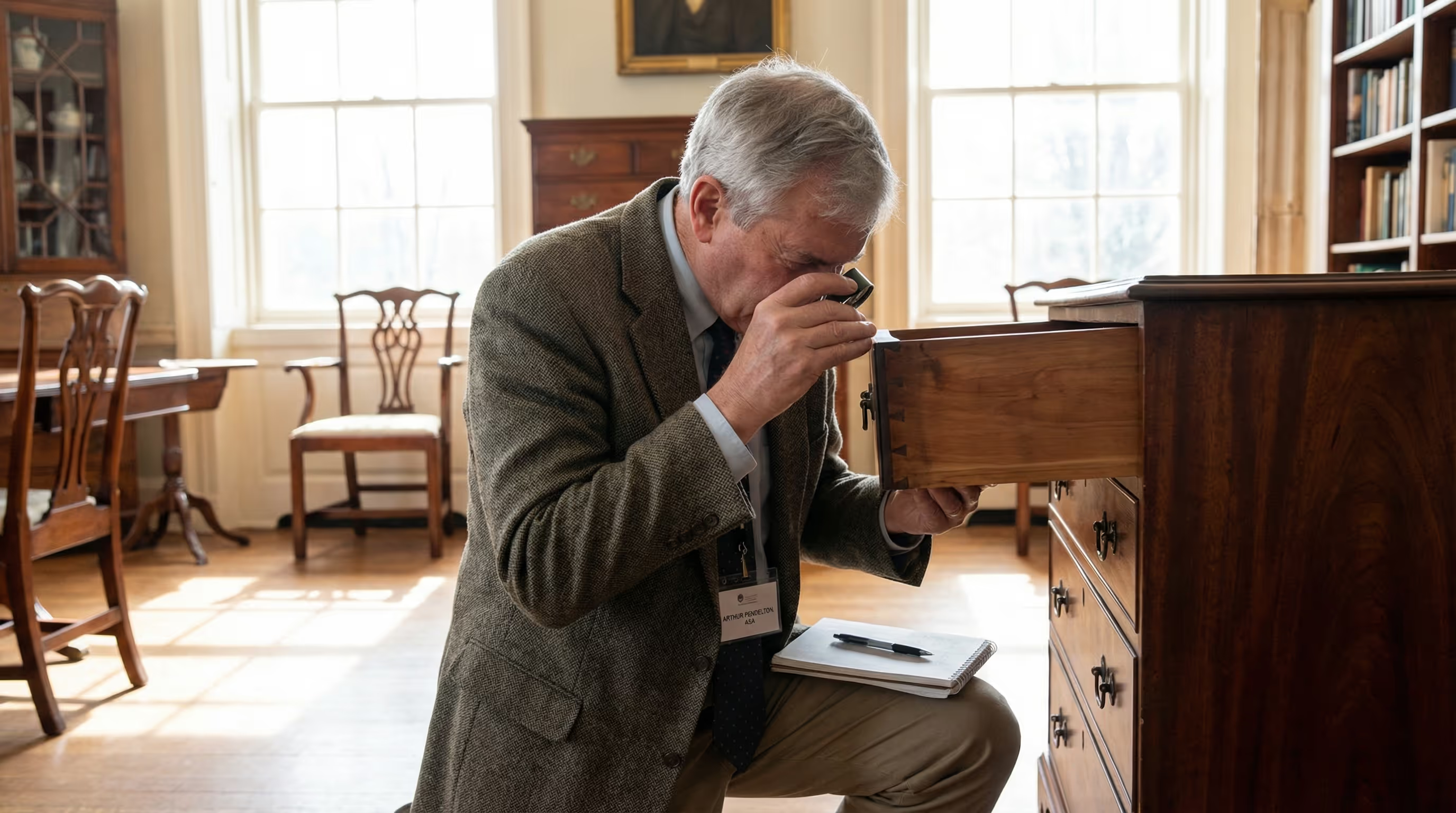
Professional antique appraisals go far beyond casual estimates or online price checks. A certified appraiser brings specialized knowledge about historical periods, manufacturing techniques, and current market conditions that most people simply don't possess.
The key difference lies in the methodology and documentation. Professional appraisers follow the Uniform Standards of Professional Appraisal Practice (USPAP), which ensures consistency and reliability. They conduct thorough research, examine comparable sales, and consider factors like provenance, condition, and rarity that dramatically affect value.
Most importantly, professional appraisals create legally defensible documentation. This means the valuation will hold up in court, satisfy IRS requirements, and meet insurance company standards. Online tools and casual opinions cannot provide this level of credibility when you need it most. When choosing the right appraiser for your antiques, it's essential to verify their credentials and expertise in your specific type of collectibles.

Your homeowner's insurance policy likely has strict limits on antique coverage, often capping payouts at just a few thousand dollars per item. Without a current professional appraisal, you could face devastating financial losses if your antiques are damaged, stolen, or destroyed.
Insurance companies require professional appraisals to issue scheduled personal property coverage, which provides comprehensive protection for high-value items. This specialized coverage eliminates the guesswork and ensures you receive full replacement value rather than depreciated amounts.
Consider this scenario: A client's antique grandfather clock was damaged during a move. Their insurance company initially offered $800 based on generic "antique clock" categories. With a professional appraisal documenting the piece's $12,000 value, they received full compensation for restoration costs.
The appraisal fee represents a tiny fraction of your potential loss. Most antique owners discover that proper insurance coverage, backed by professional documentation, costs less than they expected while providing invaluable peace of mind. Understanding the role of antiques appraisals in insurance claims can help you navigate the claims process more effectively.
Nothing creates family disputes like unclear asset values during estate settlement. Professional antique appraisals provide objective, third-party valuations that eliminate guesswork and reduce conflicts among heirs.
Estate attorneys regularly recommend professional appraisals because they satisfy legal requirements and create clear documentation for probate proceedings. When multiple family members have emotional attachments to the same pieces, having certified values helps ensure fair distribution.
Estate Tip: Appraisals conducted within one year of death are generally accepted by probate courts, but getting them done while the owner is alive often provides more complete documentation and family peace of mind.
Professional appraisals also help with estate tax planning. The IRS requires qualified appraisals for estates exceeding certain thresholds, and having current documentation helps executors make informed decisions about which items to keep, sell, or donate. Learn more about why an antiques appraisal is essential for estate planning to protect your family's legacy.
For blended families or complex inheritance situations, professional valuations remove emotional bias from financial decisions. Everyone involved can see exactly what each piece is worth based on objective market data rather than sentimental attachment or family lore.
Whether you're selling antiques or donating them for tax benefits, professional appraisals ensure you receive maximum value for your pieces. Many sellers leave thousands of dollars on the table because they don't understand their items' true worth.
Professional appraisals provide the documentation needed to command top prices in various selling channels. Auction houses, estate sale companies, and serious collectors all recognize and respect certified valuations. This documentation helps you negotiate from a position of strength rather than uncertainty.
For charitable donations, the IRS requires qualified appraisals for non-cash gifts exceeding $5,000. The appraisal must be conducted by someone who meets specific IRS qualifications and follows strict guidelines. Using an unqualified appraiser can result in rejected deductions and potential penalties.
The tax benefits of donating appreciated antiques can be substantial, often exceeding what you might receive from a sale. However, these benefits depend entirely on having proper documentation that satisfies IRS scrutiny. Before selling valuable pieces, consider reading things to consider before selling antique furniture to make informed decisions.

Professional appraisers regularly uncover valuable pieces that owners had no idea were worth significant money. Their trained eye can spot maker's marks, identify rare variations, and recognize quality indicators that escape casual observation.
Consider the difference between a mass-produced 1920s chair and one made by a renowned craftsman from the same period. To most people, they might look similar, but the difference in value could be tens of thousands of dollars. Professional appraisers know what to look for and where to find the details that matter.
Condition assessment is another area where professional expertise proves invaluable. Minor damage that seems insignificant might dramatically reduce value, while other issues might be easily repairable without affecting worth. Understanding these nuances helps you make informed decisions about restoration and care.
Professional appraisers also protect you from costly authentication mistakes. They can identify reproductions, later additions, or alterations that affect value. This expertise becomes crucial when considering major purchases or inheritance decisions. Discover more about appraising antiques and unveiling hidden treasures in your collection to maximize your investment.
Appraisal PurposeWhen RequiredValue Type UsedDocumentation LevelInsurance CoverageHigh-value itemsReplacement ValueDetailed photos, condition notesEstate SettlementProbate proceedingsFair Market ValueLegal compliance requiredCharitable DonationItems over $5,000Fair Market ValueIRS-qualified appraiserResale PlanningBefore sellingFair Market ValueMarket analysis included
Professional antique appraisals represent one of the smartest investments you can make in protecting and maximizing the value of your collection. The relatively small cost of professional evaluation pales in comparison to the financial protection, legal compliance, and peace of mind these services provide.
Whether you're dealing with insurance claims, estate planning, charitable donations, or sale preparations, having current professional documentation ensures you're making informed decisions based on accurate market data. The expertise and credibility that certified appraisers bring to the process simply cannot be replicated through casual research or online tools.
AppraiseItNow provides USPAP-compliant, IRS-qualified appraisals nationwide, offering both onsite and online services to meet your specific needs. Our certified appraisers understand the nuances of antique valuation and provide the defensible documentation required by insurance companies, courts, and tax authorities.
Professional antique appraisal costs typically range from $300-800 per item, depending on the appraiser's hourly rate, your location, and the complexity of the assignment. Reputable appraisers charge for their time and expertise—not a percentage of the item's value—and provide a written report you can use for insurance, estate, or tax purposes.
Yes, many qualified appraisers offer secure online appraisals based on detailed photos and documentation for certain items. Online appraisals are often sufficient for insurance and estate purposes, while rare or extremely complex pieces may require an onsite inspection for the most accurate valuation.
Yes, if you're insuring high-value items, selling, donating for tax benefits, dividing an estate, or resolving a dispute, you need a professional appraisal. Professional appraisals provide objective, documented valuations that are legally defensible and accepted by insurance companies, courts, and the IRS, unlike casual estimates or online price guides.
You should have your antiques reappraised every 3-5 years for insurance purposes, or sooner if market conditions change significantly or the item experiences damage or restoration. Regular reappraisals ensure your insurance coverage reflects current market values and protects you from being underinsured.