Last month, a collector in Texas almost sold his grandfather's Civil War-era revolver at a gun show for $400. Before completing the sale, he decided to get a professional appraisal. The certified appraiser identified it as a rare Colt Navy 1851 in exceptional condition, worth $12,000. That single decision to seek professional expertise saved him nearly $11,600.
This scenario happens more often than you might think. Antique firearms are notoriously difficult to value accurately without specialized knowledge. Online price guides and dealer estimates can vary wildly, leaving you vulnerable to significant financial losses whether you're buying, selling, or insuring your collection.
A professional antique gun appraisal is a formal evaluation conducted by a certified appraiser who specializes in historical firearms. They assess condition, authenticity, rarity, and market value to provide a defensible written report that meets legal and insurance standards.
Professional appraisals protect you from costly mistakes and ensure your antique firearms receive proper recognition and coverage for their true worth.
In this guide, you'll learn exactly when you need a professional appraisal, how the process works, what qualifications to look for in an appraiser, and what a comprehensive report should include.
When you absolutely need a professional antique gun appraisal
Professional appraisals aren't just nice to have – they're essential in specific situations where accuracy and legal compliance matter most.
For insurance coverage, most carriers require certified appraisals for firearms valued over $2,500 to $5,000, depending on your policy. Without proper documentation, you risk being underinsured if theft or damage occurs. Standard homeowner's policies typically cap firearms coverage at $2,000 to $2,500 total, regardless of actual value.
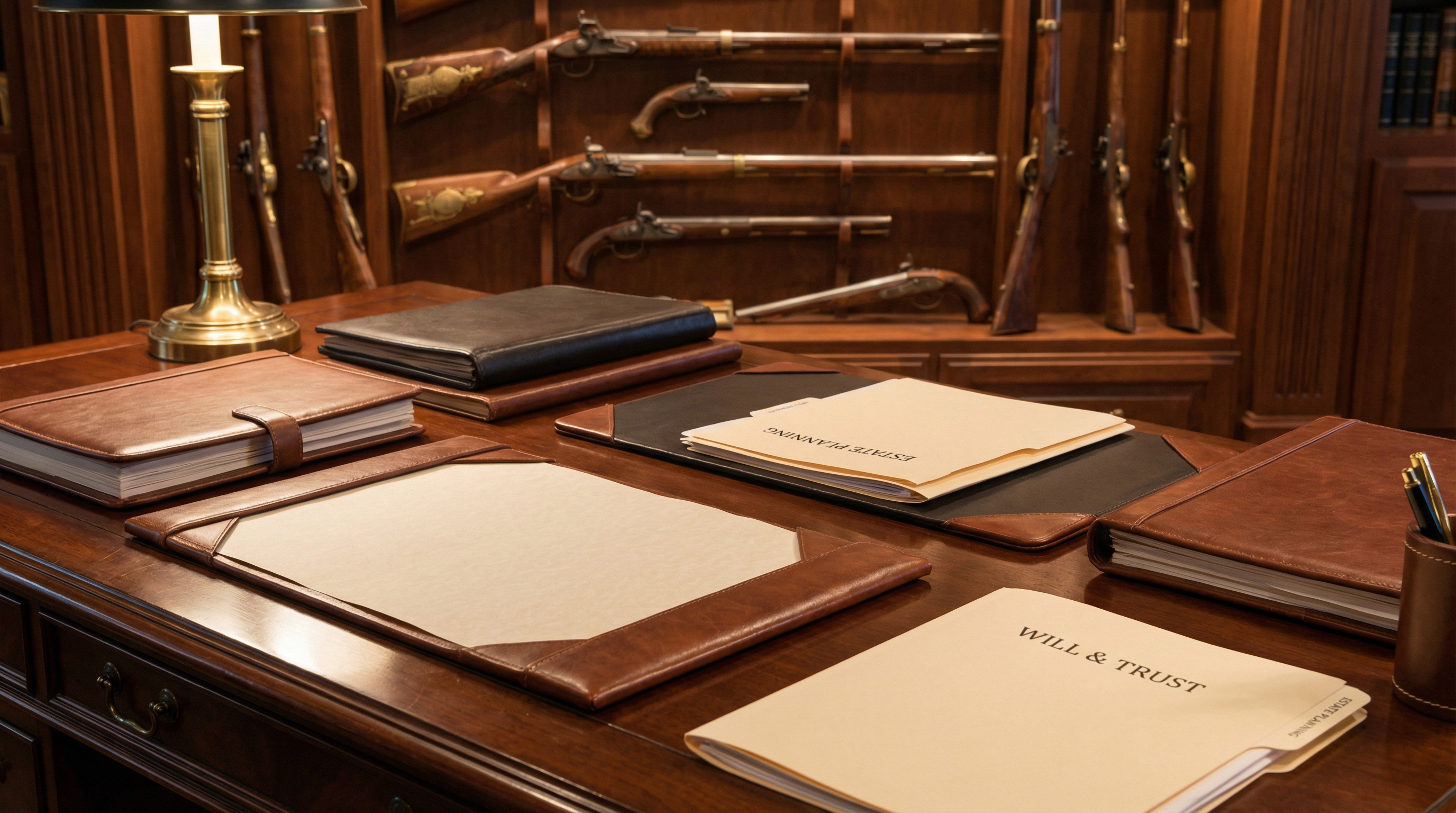
Estate planning and inheritance situations demand professional appraisals for fair distribution among heirs and accurate tax reporting. The IRS requires qualified appraisals for estate tax purposes when the total estate exceeds federal exemption limits. Even smaller estates benefit from professional valuations to prevent family disputes over valuable firearms.
Charitable donations to museums or nonprofits require IRS-qualified appraisals for any single item or collection valued over $5,000. The appraiser must meet specific IRS requirements, and the appraisal must be completed within 60 days of the donation date.
Before selling or auctioning, a professional appraisal helps you set realistic reserve prices and avoid leaving money on the table. Auction houses often provide estimates, but these may not reflect true market value or account for unique historical significance.
Legal disputes, divorce proceedings, and damage claims all require defensible valuations that can withstand court scrutiny. Only USPAP-compliant appraisals from certified professionals carry the necessary legal weight in these situations.
What makes professional appraisals superior to DIY estimates
The difference between a professional appraisal and a casual estimate can mean thousands of dollars and legal headaches down the road.
Accuracy and market expertise represent the biggest advantages. Professional appraisers maintain databases of recent sales, understand regional market variations, and can spot subtle details that dramatically affect value. They know the difference between a reproduction and an original, can identify factory modifications versus aftermarket changes, and understand how condition grades translate to market prices.
Legal and insurance acceptance is another crucial factor. Insurance companies, courts, and the IRS only accept appraisals from qualified professionals who follow Uniform Standards of Professional Appraisal Practice (USPAP). Your well-researched estimate from online sources won't hold up when you need it most.
A certified appraiser's report carries legal weight that protects your interests in insurance claims, estate settlements, and tax situations where amateur valuations fail.
Time and risk management also favor professional appraisals. While you might spend weeks researching comparable sales and trying to assess condition, a qualified appraiser can provide accurate valuations efficiently while avoiding costly mistakes that come from inexperience.
Access to specialized resources gives professionals advantages you can't replicate. They have relationships with auction houses, access to proprietary databases, and connections with other experts who can provide additional authentication when needed.
Understanding the professional appraisal process
Knowing what happens during a professional appraisal helps you prepare and ensures you get maximum value from the service.
The process typically begins with an initial consultation where you explain the purpose of your appraisal. Different purposes require different approaches – insurance replacement value differs from fair market value for estate purposes. The appraiser will also discuss timing, fees, and any special requirements.
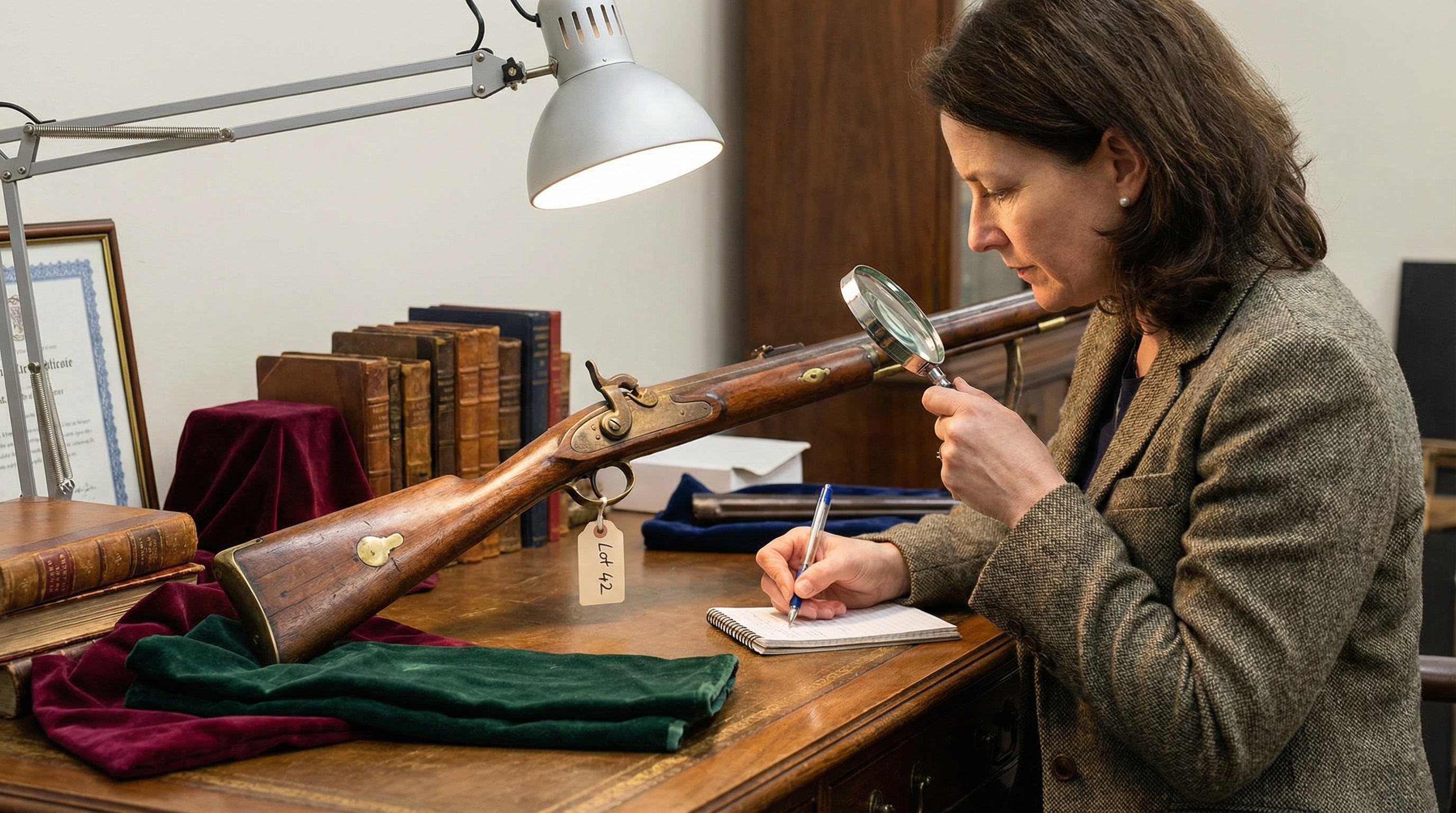
Physical inspection forms the heart of the appraisal process. The appraiser examines every aspect of your firearm, including markings, serial numbers, condition details, and any modifications. They'll photograph the weapon from multiple angles and document any unique characteristics that affect value.
Research and authentication follow the inspection. Professional appraisers verify manufacturer details, production dates, and historical significance. They research recent comparable sales and consult specialized references to ensure accurate valuation. Understanding what to look for when appraising an antique gun helps appraisers identify key value indicators.
Market analysis involves comparing your firearm to similar items that have sold recently in relevant markets. This isn't just about checking online auction results – professionals understand the differences between auction prices, dealer prices, and private sale values.
Report preparation concludes the process with a comprehensive written document that includes detailed descriptions, photographs, methodology explanation, and final value conclusion. Professional reports also include the appraiser's credentials and signature, making them legally defensible. Learning what to expect during an antique gun appraisal can help you prepare for this thorough process.
Choosing the right antique gun appraiser
Not all appraisers are created equal, and choosing the wrong one can be as problematic as not getting an appraisal at all.
Professional credentials should be your first consideration. Look for appraisers certified by recognized organizations like the American Society of Appraisers (ASA), International Society of Appraisers (ISA), or American Appraisers Association (AAA). These organizations require ongoing education and adherence to strict ethical standards.
Specialization in antique firearms matters more than general appraisal experience. An appraiser who primarily values real estate or jewelry may lack the specific knowledge needed for historical firearms. Ask about their experience with your specific type of weapon – Civil War firearms require different expertise than Wild West revolvers or military surplus rifles.
Reputation and references provide insight into an appraiser's reliability and accuracy. Ask for references from recent clients, particularly those who used appraisals for purposes similar to yours. Check with local gun clubs, museums, or historical societies for recommendations. When choosing the right antique gun appraiser, thorough research pays dividends.
Fee structure and conflicts of interest require careful attention. Reputable appraisers charge flat fees or hourly rates, never percentages of appraised value. They should not offer to buy your firearm or refer you to specific dealers without disclosing any financial relationships.
USPAP compliance and insurance are non-negotiable for legal and insurance purposes. Verify that your appraiser follows USPAP standards and carries professional liability insurance. This protects you if errors in the appraisal cause financial harm. Understanding the different types of antique gun appraisals can help you request the appropriate service for your needs.
At AppraiseItNow, our certified appraisers specialize in antique firearms and maintain the highest professional standards. We're IRS-qualified and USPAP-compliant, with reports accepted by major insurance companies, courts, and government agencies nationwide.
Getting a professional antique gun appraisal isn't just about knowing what your firearm is worth – it's about protecting your investment and ensuring you have the documentation needed when it matters most. Whether you're planning for the future, settling an estate, or simply want peace of mind about your collection's value, working with a qualified professional provides the accuracy and legal protection you need.
The cost of a professional appraisal is minimal compared to the financial risks of being underinsured, undervaluing an estate asset, or missing out on your firearm's true worth. When you consider the stakes involved, professional expertise isn't just recommended – it's essential. For those new to the process, a beginner's guide to antique gun appraisals offers additional insights to help you get started.