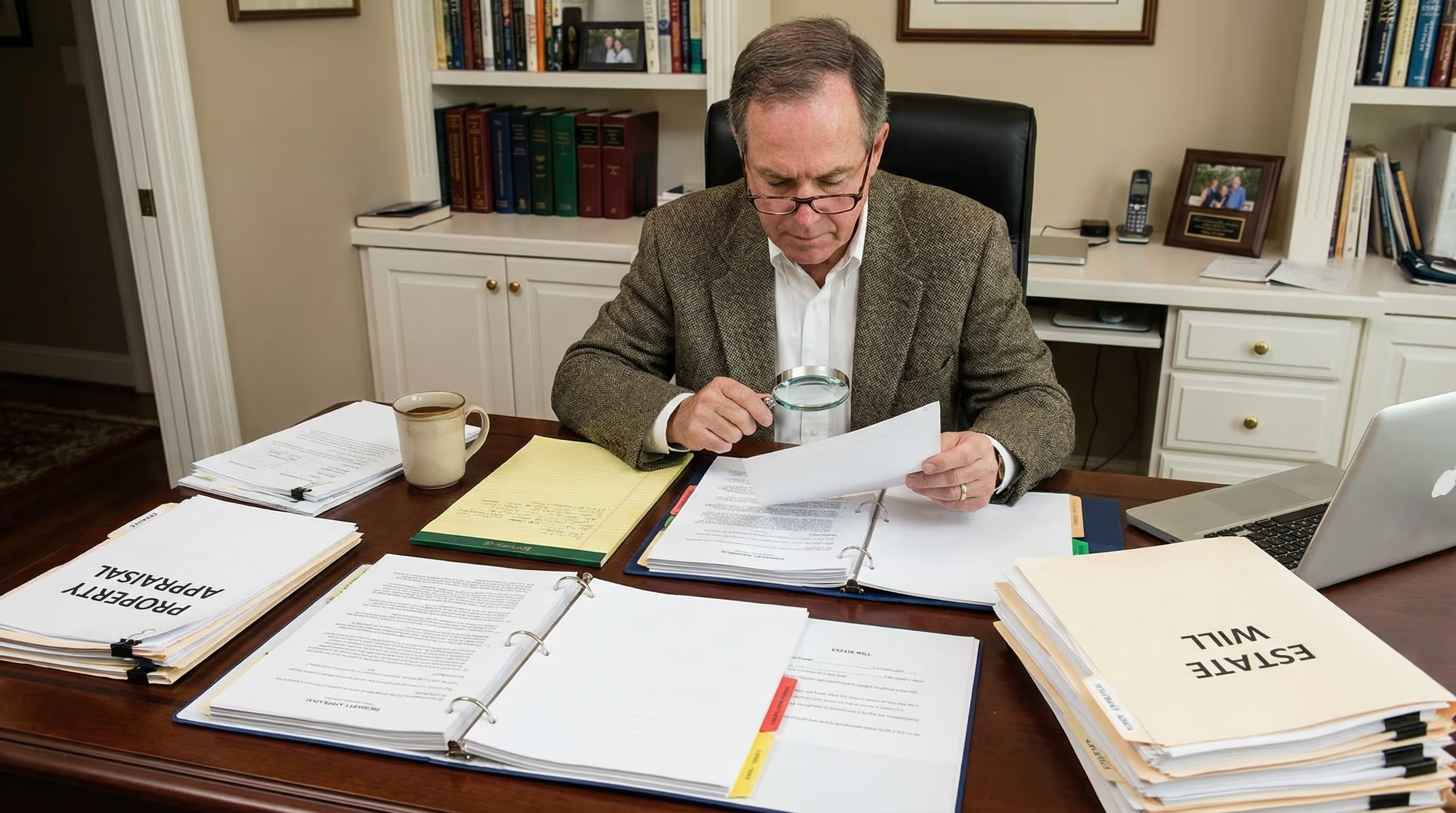
As an executor, you're responsible for accurately valuing the deceased's assets for court and tax purposes. This process, known as probate appraisal, determines how much the estate is worth and ensures fair distribution among beneficiaries. However, probate appraisals come with unique challenges that can delay the process, create family disputes, and even result in court penalties if handled incorrectly.
The most common probate appraisal challenges include disagreements over asset values, incomplete documentation, hard-to-value items like art or collectibles, and emotional conflicts among heirs. Understanding these challenges and knowing how to address them can save you months of delays and thousands in legal fees.
Quick fact: According to probate courts, estates with professional appraisals experience 40% fewer valuation disputes compared to those using informal estimates.
A probate appraisal establishes the fair market value of estate assets at the time of death. Unlike other types of appraisals, probate appraisals must meet specific court and IRS requirements, including USPAP compliance and detailed documentation.
The court uses these values to determine estate taxes, settle debts, and ensure proper asset distribution. Without accurate appraisals, you risk penalties from tax authorities, legal challenges from beneficiaries, and potential personal liability as executor.
Most states require professional appraisals for estates exceeding certain thresholds, typically ranging from $50,000 to $150,000. Even smaller estates benefit from professional appraisals when they contain valuable items like jewelry, artwork, or collectibles that family members might dispute. Understanding common pitfalls to avoid when getting an appraisal for trusts & wills can help executors navigate this complex process more effectively.
Valuation disputes among heirs represent the biggest challenge executors face. Family members often have emotional attachments to items or unrealistic expectations about their worth. What seems like a valuable antique to one heir might be worth far less than expected in today's market.
Incomplete or missing documentation creates another major hurdle. Many deceased individuals don't maintain detailed records of their purchases, especially for items acquired decades ago. Without receipts, insurance records, or previous appraisals, determining accurate values becomes significantly more difficult.
Hard-to-value assets like cryptocurrency, business interests, art collections, or vintage items require specialized expertise. General appraisers may not have the knowledge needed to properly evaluate these complex assets, leading to inaccurate valuations that could be challenged later. For estates containing specialized equipment or machinery, working with experts who understand the basics of equipment & machinery appraisal becomes essential.

Damaged or missing property complicates the process further. Items may have been removed by family members, damaged over time, or lost entirely. Executors must account for these assets while working with limited information about their condition or whereabouts.
Important note: Courts can impose penalties on executors who fail to properly inventory and value estate assets, making professional help essential for complex estates.
Start with professional, USPAP-compliant appraisers who specialize in probate work. These experts understand court requirements, maintain proper documentation standards, and can defend their valuations if challenged. Their objective assessments help reduce family disputes and ensure court acceptance. When selecting an appraiser, consider how to choose the right appraiser for your equipment & machinery if the estate includes business assets.
Create a comprehensive asset inventory before the appraisal begins. Walk through the property systematically, photographing items and noting their condition. Include everything from real estate and vehicles to jewelry, artwork, and collections. This thorough approach prevents assets from being overlooked or disputed later.
Gather supporting documentation early in the process. Collect insurance policies, previous appraisals, purchase receipts, and any other records that establish ownership and value history. Even incomplete documentation provides valuable context for appraisers.
Communicate transparently with all beneficiaries about the appraisal process. Explain why professional appraisals are necessary, how values are determined, and what happens if someone disagrees with the results. Early communication prevents misunderstandings and reduces the likelihood of disputes.
When disagreements arise, consider mediation before pursuing litigation. A neutral mediator can help family members understand the appraisal process and work toward mutually acceptable solutions without the expense and stress of court proceedings.
Current market conditions play a crucial role in determining asset values. Real estate markets fluctuate, collectibles go in and out of fashion, and economic conditions affect demand for luxury items. Professional appraisers stay current with market trends to provide accurate valuations.
Physical condition and completeness significantly impact value. A complete set of china is worth more than individual pieces, and items in excellent condition command higher prices than those needing repair. Document any damage or missing components before the appraisal.
Provenance and documentation add substantial value to certain items. Artwork with clear ownership history, jewelry with original certificates, or antiques with maker's marks are worth more than similar items without documentation.
The timing and location of the appraisal also matter. Values can vary based on regional markets, seasonal demand, and the specific date of valuation. Professional appraisers account for these factors when determining fair market value.
Asset TypeKey Value FactorsDocumentation NeededReal EstateLocation, condition, comparable salesDeed, tax records, recent improvementsJewelryMaterials, craftsmanship, brandCertificates, insurance appraisalsArtworkArtist, condition, provenancePurchase receipts, exhibition historyCollectiblesRarity, condition, market demandAuthentication, previous appraisals
Schedule the appraisal promptly after receiving court authorization. Many states have strict deadlines for completing probate inventories, and delays can result in penalties or complications with the estate settlement.
Ensure property access for the appraiser's inspection. Coordinate with family members, property managers, or tenants to provide complete access to all areas where assets might be located. Hidden or inaccessible items can't be properly valued.
Organize key documents before the appraiser arrives. Have the will, death certificate, property deeds, and any existing insurance schedules readily available. This preparation helps the appraiser work more efficiently and accurately. Learning from common mistakes to avoid when getting an equipment & machinery appraisal can prevent similar errors in estate appraisals.
Prepare detailed descriptions of valuable items, including any known history, previous appraisals, or special characteristics. Your knowledge of the deceased's possessions provides valuable context that improves appraisal accuracy.
Pro tip: Take detailed photographs of all valuable items before the appraisal. These images serve as documentation for insurance purposes and help resolve any questions about condition or completeness later.

Remember that probate appraisals serve multiple purposes beyond court compliance. They provide essential documentation for insurance claims, help establish cost basis for future tax calculations, and create a permanent record of the estate's value at the time of death.
Working with experienced probate appraisers who understand both legal requirements and market conditions ensures your estate receives accurate, defensible valuations that stand up to scrutiny from courts, tax authorities, and beneficiaries alike. Understanding the advantages of professional equipment & machinery appraisal principles can help executors appreciate the value of expert assessment across all asset types. AppraiseItNow specializes in USPAP-compliant probate appraisals nationwide, helping executors navigate these challenges with confidence and expertise.
Not all estates require formal probate appraisals. Requirements vary by state and estate size, with most states requiring professional appraisals for estates exceeding $50,000 to $150,000. Small estates or those with only bank accounts and simple assets may qualify for simplified procedures. However, any estate containing real estate, valuable personal property, or business interests typically needs professional appraisal regardless of total value.
When beneficiaries dispute appraisal values, start by discussing concerns with the original appraiser to understand their methodology. If disagreements persist, consider obtaining a second independent appraisal from another USPAP-compliant professional. Mediation can help resolve conflicts without litigation. As a last resort, the court can review competing appraisals and make a final determination, though this process adds time and expense to estate settlement.
Probate appraisals typically take 1-4 weeks to complete, depending on estate complexity and asset types. Simple estates with standard personal property may be appraised within a few days, while complex estates with multiple properties, business interests, or specialized collections can take several weeks or longer. Factors that extend timelines include missing documentation, remote property locations, and the need for specialized expertise for unique assets.
Essential documents include the death certificate, will or letters testamentary, property deeds and titles, recent tax assessments, insurance policies, previous appraisals, purchase receipts, and financial account statements. For valuable items like jewelry or artwork, gather certificates of authenticity, provenance documentation, and any prior professional evaluations. Having these documents organized before the appraiser arrives ensures a more efficient and accurate valuation process.