Metalworking Equipment Appraisals: Who Performs Them and What They Cost

Last Updated on Jul 27, 2025
Originally Published on Jul 27, 2025
Thank you! Your submission has been received!
Oops! Something went wrong while submitting the form.
Nationwide Service
Onsite or Online
USPAP-Compliant
IRS Qualified
DEFENSIBLE, USPAP-COMPLIANT APPRAISAL REPORTS — ACCEPTED BY 10,000+ ORGANIZATIONS
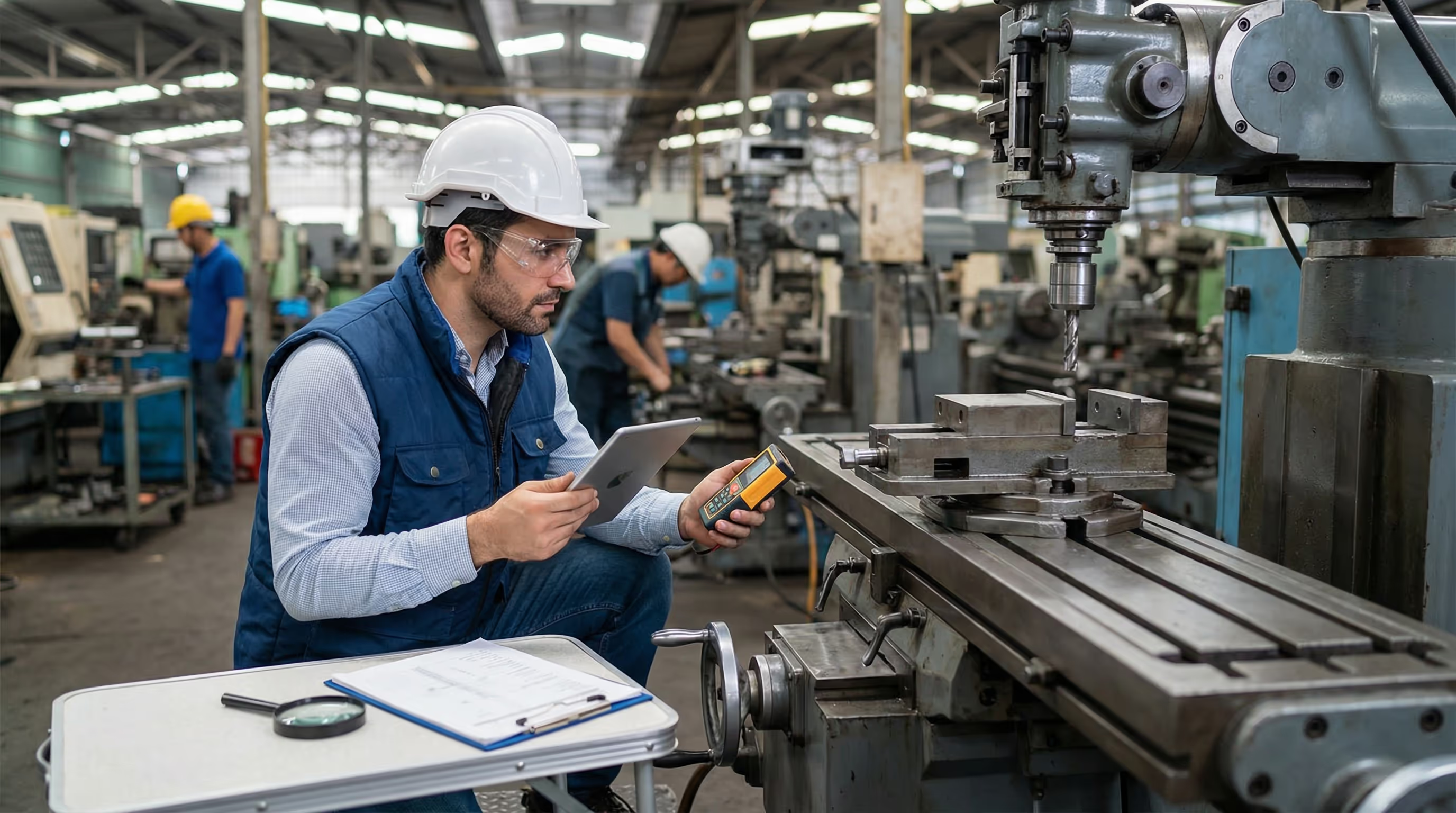
professional appraiser examining CNC machinery in industrial setting

When you need to determine the value of your metalworking equipment for financing, insurance, or business transactions, getting a certified appraisal is essential. A metalworking equipment appraisal provides an independent, professional assessment of your machinery's current market value, conducted by qualified experts who understand the complexities of industrial equipment.

Most metalworking equipment appraisals cost between $750 and $10,000, depending on the number of machines, complexity, and scope of work required. Only certified appraisers with specialized machinery and equipment credentials should perform these valuations to ensure the reports meet USPAP standards and are accepted by lenders, courts, and insurance companies.

Key Insight: Certified equipment appraisers with ASA, AMEA, or similar credentials provide USPAP-compliant reports that banks, courts, and the IRS readily accept for official purposes.

This guide covers everything you need to know about metalworking equipment appraisals, from finding qualified appraisers to understanding costs and preparing for the process.

Who Should Perform Your Metalworking Equipment Appraisal

Not all appraisers are qualified to value metalworking equipment. You need a certified professional with specific machinery and equipment expertise, not a general property appraiser.

Look for appraisers with these key credentials:

American Society of Appraisers (ASA) - The gold standard for machinery and equipment appraisers, requiring extensive education and experience in industrial equipment valuation.

American Machinery and Equipment Appraisers (AMEA) - Specialists focused specifically on machinery, equipment, and industrial assets.

Certified Equipment Appraiser (CEA) or Accredited Equipment Appraiser (AEA) designations from recognized professional organizations.

Your appraiser should also demonstrate deep knowledge of metalworking equipment markets, including current pricing for CNC machines, lathes, mills, presses, and related tooling. They need to understand how factors like age, condition, technological obsolescence, and market demand affect equipment values.

Most importantly, ensure your appraiser produces USPAP-compliant reports. This federal standard ensures the appraisal meets requirements for SBA loans, asset-based lending, litigation support, insurance claims, and tax purposes. Understanding why certification matters for appraisers of equipment and machinery helps you make informed decisions when selecting a professional.

certified appraiser credentials and certifications display

What Types of Metalworking Equipment Can Be Appraised

Professional appraisers can value virtually any type of metalworking machinery and related equipment. The most commonly appraised items include:

Primary Production Equipment: CNC machining centers, lathes, milling machines, grinding machines, drilling machines, and boring machines form the backbone of most appraisals.

Forming and Fabrication Equipment: Hydraulic presses, mechanical presses, press brakes, shears, roll forming equipment, and stamping dies are frequently valued for manufacturing operations.

Finishing and Secondary Equipment: Surface grinders, cylindrical grinders, gear cutting machines, broaching machines, and honing equipment round out comprehensive appraisals.

Supporting Assets: Tooling, fixtures, measuring instruments, material handling equipment, and quality control devices are often included to provide complete facility valuations.

The complexity and specialization of your equipment affects both the appraisal approach and cost. Standard production machinery follows established market patterns, while custom or highly specialized equipment requires more extensive research and analysis. For a deeper understanding of what types of metalworking equipment are usually appraised, explore the comprehensive range of machinery that qualified appraisers evaluate.

Important Note: Appraisers need detailed equipment specifications, including make, model, year, serial numbers, and current condition to provide accurate valuations.

How Much Metalworking Equipment Appraisals Cost

Understanding appraisal costs helps you budget appropriately and choose the right service level for your needs. Pricing varies significantly based on several key factors.

Appraisal ScopeTypical Cost RangeWhat's IncludedSingle machine (desktop)$750 - $2,000Basic valuation, limited researchSmall shop (5-15 machines)$2,000 - $6,000Site visit, comprehensive reportLarge facility (multi-site)$6,000 - $10,000+Complex analysis, detailed documentation

Hourly vs. Flat Fee Pricing: Many appraisers charge hourly rates between $150-$400 per hour, while others prefer flat fees for defined scopes. Flat fees work well for straightforward assignments, while hourly billing suits complex or uncertain projects.

Desktop vs. Field Appraisals: Desktop appraisals cost less but rely on photos and documentation you provide. Field appraisals require site visits but offer more thorough inspections and higher credibility for lending or legal purposes. Learn more about what is a desktop equipment appraisal and when this approach might be suitable for your needs.

The purpose of your appraisal also affects pricing. Insurance appraisals typically cost less than litigation support, which requires extensive documentation and potential expert testimony.

Key Factors That Drive Appraisal Costs

Several specific factors determine your final appraisal cost, helping you understand why quotes vary between providers.

Number and Complexity of Assets: Each additional machine adds time for inspection, research, and analysis. Specialized or custom equipment requires more extensive market research than standard production machinery.

Geographic Location and Travel: Local appraisals cost less than those requiring significant travel. Multi-site assignments add travel time, lodging, and coordination complexity.

Purpose and Standards Required: SBA loan appraisals follow specific guidelines, while litigation support requires enhanced documentation and defensibility. Insurance appraisals may need replacement cost analysis beyond fair market value.

Timeline and Urgency: Rush assignments typically carry premium pricing of 25-50% above standard rates. Normal turnaround times range from 1-3 weeks for most assignments.

Documentation Quality: Well-documented equipment with complete records reduces research time and costs. Missing specifications, service records, or purchase information increases the appraiser's workload. To avoid unnecessary expenses, review common mistakes to avoid during an equipment & machinery appraisal.

appraiser reviewing equipment documentation and maintenance records

Cost-Saving Tip: Gathering complete equipment documentation, maintenance records, and clear photos before the appraisal can reduce both cost and turnaround time.

What Information Appraisers Need From You

Proper preparation significantly improves your appraisal's accuracy and efficiency. Gather these key documents and details before contacting an appraiser:

Equipment Specifications: Make, model, serial number, year of manufacture, and any modification or upgrade details for each machine.

Condition and Usage Data: Current operating condition, known issues or needed repairs, typical usage hours, production volume, and maintenance schedules.

Financial Records: Original purchase prices and dates, major repair or upgrade costs, depreciation schedules, and any existing appraisals or valuations.

Supporting Documentation: Service records, warranty information, operator manuals, and recent photos showing overall condition and any specific issues.

Having this information organized and readily available often reduces appraisal costs by 10-20% while improving the final report's accuracy and defensibility. Before your appraisal, make sure you know what documents you need for a metalworking equipment appraisal to streamline the process.

Most appraisers provide a detailed checklist during your initial consultation, tailored to your specific equipment and appraisal purpose. The time you invest in preparation pays dividends in both cost savings and report quality. For additional guidance, explore tips to make the most of your metalworking equipment appraisal.

Getting a professional metalworking equipment appraisal requires working with certified specialists who understand your industry's unique challenges. The investment in proper valuation pays off through accurate insurance coverage, successful financing applications, fair business transactions, and defensible tax positions. When you're ready to move forward, contact qualified appraisers with the credentials and experience your situation demands.

Frequently Asked Questions About Metalworking Equipment Appraisals

How much does a metalworking equipment appraisal typically cost?

Most metalworking equipment appraisals cost between $750 and $10,000, depending on the number of machines, complexity, and scope of work required. Simple desktop appraisals for a few machines may start around $750-$2,000, while comprehensive on-site appraisals of large facilities with multiple CNC machines, presses, and specialized equipment can reach $6,000-$10,000 or more. The final cost depends on factors like equipment complexity, travel requirements, and the level of detail needed for your specific purpose.

Who is qualified to perform metalworking equipment appraisals?

Only certified appraisers with specialized machinery and equipment credentials should perform metalworking equipment valuations. Look for professionals with American Society of Appraisers (ASA), American Machinery and Equipment Appraisers (AMEA), or similar credentials who produce USPAP-compliant reports. These appraisers must have deep knowledge of metalworking equipment markets, including current pricing for CNC machines, lathes, mills, presses, and related tooling, plus understand how factors like age, condition, and technological obsolescence affect equipment values.

What information do I need to provide for a metalworking equipment appraisal?

Appraisers need detailed equipment specifications including make, model, year, serial numbers, and current condition for each machine. You should also provide maintenance records, service history, any upgrades or modifications, original purchase documentation, and recent photos showing overall condition. Having complete documentation organized beforehand can reduce appraisal costs by 10-20% while improving the final report's accuracy and defensibility.

How long does a metalworking equipment appraisal take to complete?

Normal turnaround times range from 1-3 weeks for most metalworking equipment appraisals, depending on the scope and complexity of the assignment. Desktop appraisals may be completed in 3-7 business days, while on-site appraisals requiring field inspection typically take 1-2 weeks from the site visit to final report delivery. Large or multi-site projects can take several weeks, and rush assignments are available at premium pricing of 25-50% above standard rates.

Related Appraisals We Offer

Related Articles

BEST-IN-CLASS APPRAISERS, CREDENTIALED BY: