Metalworking Equipment Appraisal Guide - What to Expect and How to Prepare

Last Updated on Aug 14, 2025
Originally Published on Aug 14, 2025
Thank you! Your submission has been received!
Oops! Something went wrong while submitting the form.
Nationwide Service
Onsite or Online
USPAP-Compliant
IRS Qualified
DEFENSIBLE, USPAP-COMPLIANT APPRAISAL REPORTS — ACCEPTED BY 10,000+ ORGANIZATIONS
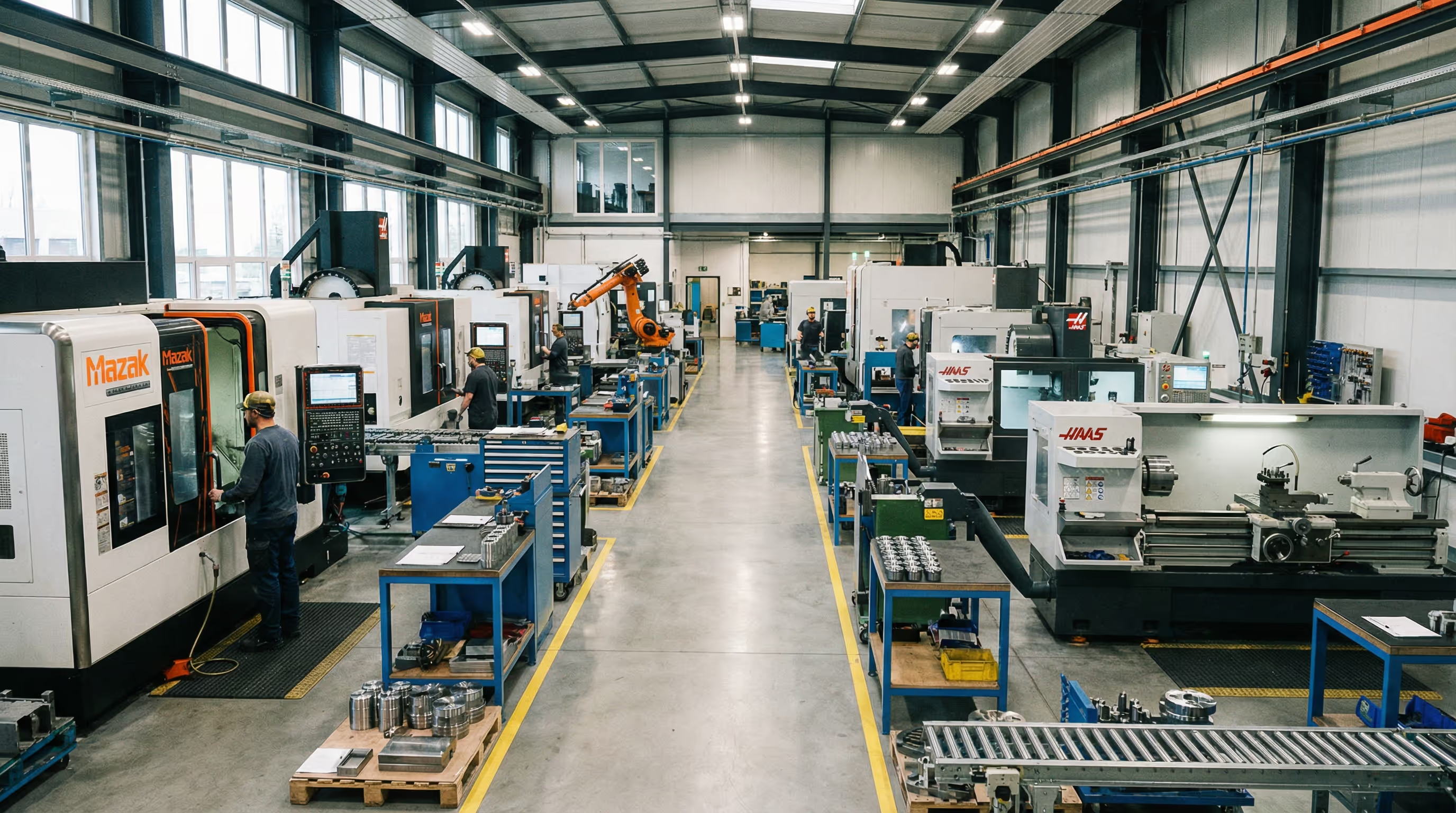
Professional metalworking shop with CNC machines and lathes

Key factors that determine your equipment's value

Several critical factors influence how much your metalworking equipment is worth, and understanding these helps you prepare for the appraisal process.

Age and usage hours are fundamental considerations. A five-year-old CNC machine with 2,000 hours will typically be worth significantly more than the same model with 8,000 hours. However, well-maintained older equipment can sometimes hold value better than neglected newer machines.

Condition and maintenance history often matter more than age alone. Equipment with documented preventive maintenance, recent overhauls, and minimal wear will command higher values. Conversely, machines needing major repairs or showing significant wear will see reduced valuations.

Brand reputation and model specifications significantly impact value. Well-known manufacturers like Haas, Mazak, or Cincinnati typically hold value better than lesser-known brands. Specific features like tool changers, additional axes, or precision capabilities also affect worth.

Key Insight: Market demand for your specific type of equipment can fluctuate based on industry trends, with some machinery types experiencing higher demand due to reshoring manufacturing or new technologies.

Location and removal considerations also factor into value. Equipment that's easily accessible and can be moved without major rigging costs is more valuable than machinery requiring complex removal or specialized transport. To avoid pitfalls in this area, review common mistakes to avoid when getting an equipment & machinery appraisal.

What to expect during the appraisal process

The metalworking equipment appraisal process typically follows five clear steps, usually taking one to three weeks depending on complexity.

Initial consultation involves discussing your appraisal needs, timeline, and the specific equipment to be valued. The appraiser will explain their methodology and provide a fee estimate based on the scope of work.

Document collection happens next, where you'll provide equipment lists, purchase records, maintenance histories, and any relevant specifications. The more documentation you can provide, the more accurate the final valuation will be. Learn more about what documents you need for a metalworking equipment appraisal.

On-site inspection is when the appraiser physically examines your equipment. They'll assess condition, verify specifications, take photographs, and note any modifications or damage. This typically takes a few hours to a full day depending on the number of machines.

Market research and analysis follows the inspection. The appraiser researches comparable sales, replacement costs, and market conditions to support their valuation conclusions.

Report preparation and delivery concludes the process. You'll receive a comprehensive report documenting the appraiser's methodology, analysis, and final value conclusions, typically within 7-10 business days after the inspection.

Professional appraisal report with equipment photos

How to prepare your equipment for appraisal

Proper preparation can significantly impact your equipment's appraised value and ensure the most accurate assessment possible.

Clean and organize your equipment before the appraiser arrives. While you don't need showroom condition, clean machines allow better assessment of actual condition versus accumulated grime. Ensure all equipment is safely accessible and, if possible, operational for demonstration.

Gather all relevant documentation including original purchase invoices, specification sheets, maintenance records, and any upgrade or modification documentation. Serial numbers, model numbers, and year of manufacture should be clearly visible or documented.

Compile maintenance and repair histories showing regular service, major overhauls, and recent repairs. This documentation can significantly support higher valuations by demonstrating proper care and current operational status. For a comprehensive approach, consult our comprehensive look at metalworking equipment appraisal.

Preparation Tip: Create a simple spreadsheet listing each machine with manufacturer, model, serial number, year, and key specifications. This saves time during inspection and ensures nothing gets overlooked.

Plan for operational access during the inspection. If possible, have someone available who can safely operate the equipment and answer technical questions about capabilities, recent use, and any known issues.

The investment in proper preparation often pays dividends in more accurate valuations and smoother appraisal processes. A well-prepared appraisal also provides better documentation for whatever purpose you need the valuation, whether it's for sale, financing, or insurance purposes. To maximize your results, explore tips to make the most of your metalworking equipment appraisal.

Getting a professional metalworking equipment appraisal provides the foundation for confident decision-making about your valuable machinery assets. With proper preparation and the right appraiser for your equipment & machinery, you'll have the documentation needed to support your business goals and protect your investment.

FAQ

How long does a metalworking equipment appraisal take?

A metalworking equipment appraisal typically takes 1-3 weeks depending on the scope and complexity. A single machine or small group might be completed in a few days after data collection, while a full plant with dozens of machines can take several weeks, especially if on-site inspection and multiple locations are involved.

What information do I need to provide for a metalworking equipment appraisal?

You should provide an equipment list with make, model, serial numbers, year of manufacture, and key specifications. Additionally, gather purchase invoices, maintenance records, usage hours, photos of the equipment, and any prior appraisals. Complete documentation helps ensure the most accurate valuation possible.

What affects the value of metalworking equipment the most?

The primary factors affecting metalworking equipment value include age, physical condition, maintenance history, operating hours, brand reputation, technology level, and current market demand. Well-maintained equipment from reputable manufacturers with documented service histories typically commands higher values than neglected or outdated machinery.

Do I need an on-site inspection for my metalworking equipment appraisal?

On-site inspections are recommended for larger or higher-value assignments as they allow the appraiser to verify equipment identity, configuration, and condition directly. However, for smaller assets or when travel is impractical, a desktop appraisal using detailed photos, videos, and documentation may be appropriate depending on the appraisal's purpose.

Related Appraisals We Offer

Related Articles

BEST-IN-CLASS APPRAISERS, CREDENTIALED BY: