Metalworking Equipment Appraisal for Tax Purposes: How It Affects Your Tax Bill and Compliance

Last Updated on Oct 13, 2025
Originally Published on Oct 13, 2025
Thank you! Your submission has been received!
Oops! Something went wrong while submitting the form.
Nationwide Service
Onsite or Online
USPAP-Compliant
IRS Qualified
DEFENSIBLE, USPAP-COMPLIANT APPRAISAL REPORTS — ACCEPTED BY 10,000+ ORGANIZATIONS
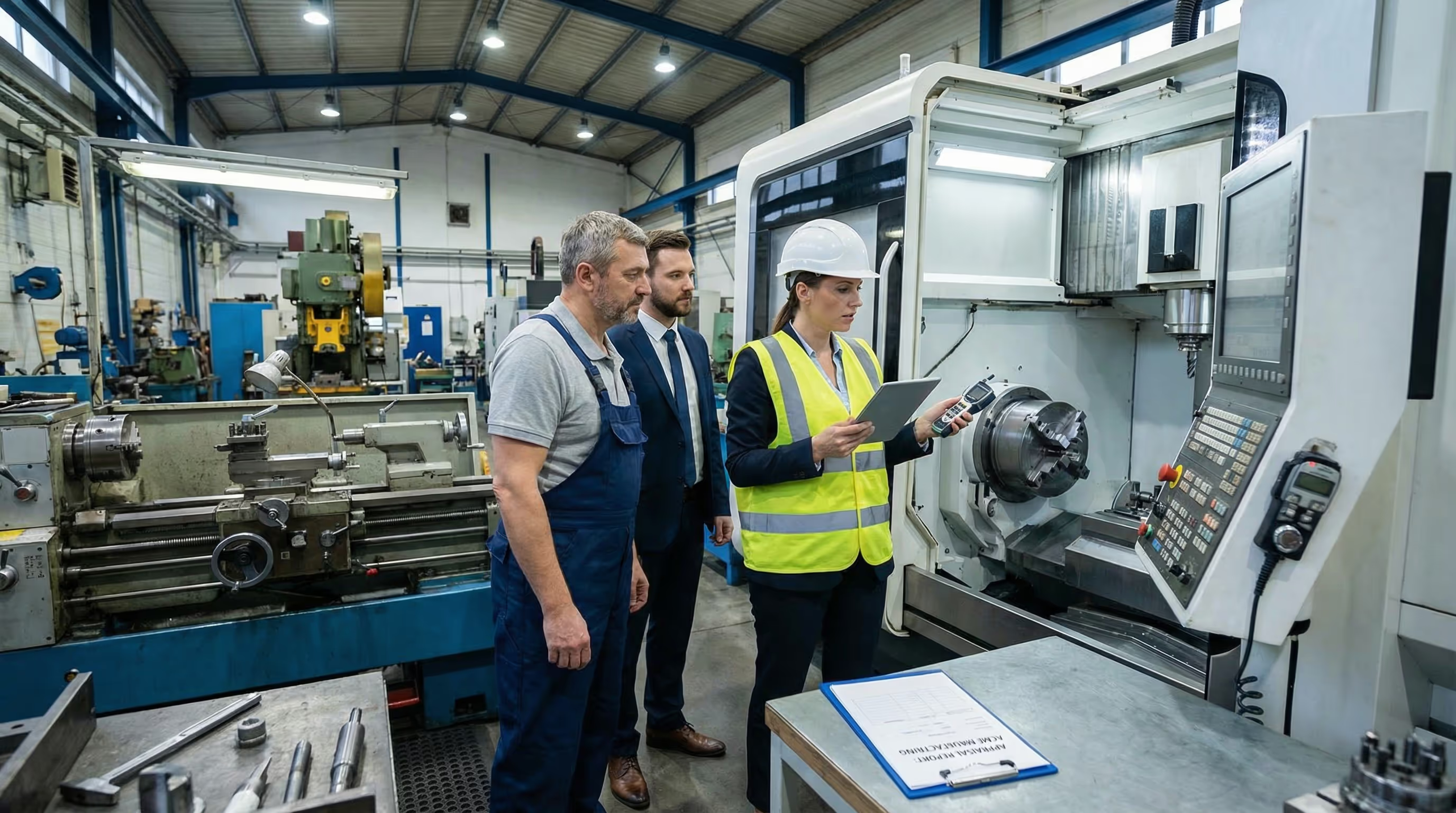
Professional appraiser evaluating CNC machines and metalworking equipment in a manufacturing facility

Bonus depreciation rules also depend on accurate valuations, especially when you're dealing with used equipment or making significant modifications to existing machines. An appraisal helps establish the correct basis for these calculations and supports your depreciation choices if questioned.

Tax tip: Accurate appraisals help you choose between regular MACRS depreciation, Section 179 expensing, and bonus depreciation based on your equipment's actual value and your business needs.

Estate planning and business succession considerations

Metalworking equipment often represents a substantial portion of a manufacturing business's value, making accurate appraisals essential for estate and gift tax planning. When business owners pass away, executors need defensible valuations to properly report estate values and avoid penalties.

The IRS requires qualified appraisals for estate tax purposes when equipment values exceed certain thresholds. Using outdated or inaccurate valuations can result in significant penalties and create disputes among heirs about asset distribution.

For business succession planning, current appraisals help establish fair buyout prices and support gift tax strategies when transferring ownership to family members. These valuations also assist with buy-sell agreements and partnership transitions. Understanding common pitfalls in trust and will appraisals can help you avoid costly mistakes during estate planning.

Tax ScenarioAppraisal RequirementKey BenefitEstate tax reportingRequired for high-value equipmentDefensible valuations prevent penaltiesGift tax planningRecommended for transfersSupports fair market value determinationsBusiness successionEssential for buyoutsEstablishes equitable transfer prices

Charitable donations and equipment disposal tax implications

When you donate metalworking equipment to qualified organizations, the IRS generally requires professional appraisals for donations exceeding specific dollar thresholds. These appraisals must meet strict documentation requirements to support your charitable deduction claims.

Equipment sales and disposals create taxable events that require accurate valuations to calculate gains or losses properly. The difference between your equipment's book value and its actual fair market value at the time of sale determines your tax liability or deduction opportunity.

Trade-ins and partial equipment sales also benefit from professional valuations, especially when you're upgrading production lines or replacing outdated machinery. Accurate appraisals help establish the correct basis for new equipment and properly account for any taxable gains on the disposed assets.

Important note: Donating equipment valued over $5,000 typically requires a qualified appraisal to substantiate your charitable deduction, and the appraiser must meet specific IRS qualifications.

Manufacturing facility showing various metalworking equipment including CNC machines, press brakes, and fabrication equipment

Choosing the right appraiser for tax compliance

Not all appraisers are qualified to provide tax-compliant valuations for metalworking equipment. Look for professionals with specific certifications in machinery and equipment appraisal, along with demonstrated experience in tax-related valuations.

Your appraiser should understand USPAP (Uniform Standards of Professional Appraisal Practice) requirements and have experience working with the IRS, courts, and tax professionals. They should also specialize in industrial equipment and understand the unique factors that affect metalworking machinery values. Learn more about what to consider when getting a metalworking equipment appraisal to ensure you select the right professional.

The best appraisers provide detailed reports that include market data, condition assessments, and clear explanations of their valuation methods. These comprehensive reports give you the documentation needed to support your tax positions and defend against challenges. Be aware of common myths about metalworking equipment appraisals that might lead you to make poor decisions when selecting an appraiser.

Professional metalworking equipment appraisals represent an investment in your business's financial health and tax compliance. By working with qualified appraisers who understand both the technical aspects of your equipment and the tax implications of their valuations, you protect your business from unnecessary tax burdens while ensuring you meet all regulatory requirements. Whether you're planning for depreciation, preparing for audits, or making strategic business decisions, accurate appraisals provide the foundation for confident tax planning and compliance.

Frequently Asked Questions About Metalworking Equipment Appraisals and Taxes

Do I need a certified appraiser for metalworking equipment tax purposes?

Yes, for most tax-related situations involving metalworking equipment, you need a certified appraiser who meets IRS qualifications and follows USPAP standards. This is particularly important for estate tax reporting, charitable donations over $5,000, and situations where the IRS might challenge your reported values. A qualified appraiser provides the documentation necessary to defend your tax positions during audits.

How does a metalworking equipment appraisal affect my depreciation deductions?

A professional appraisal establishes the accurate fair market value and remaining useful life of your metalworking equipment, which directly impacts your depreciation schedules and deduction amounts. This helps you make informed decisions about Section 179 expensing versus traditional MACRS depreciation, and provides the documentation needed to support larger deductions if questioned by the IRS.

Can I use book value instead of an appraisal for tax reporting?

Book value is an accounting figure that often differs significantly from fair market value, especially for older or specialized metalworking equipment. While book value works for routine depreciation, the IRS requires fair market value for estate tax, gift tax, charitable donations, and casualty losses. A professional appraisal provides the defensible fair market value documentation the IRS expects in these situations.

How often should I get my metalworking equipment reappraised for tax purposes?

Generally, you should consider reappraising your metalworking equipment every 3-5 years or when significant events occur such as major upgrades, ownership changes, estate planning needs, or planned equipment sales or donations. Rapidly evolving technology in CNC and automated equipment may warrant more frequent updates to ensure your tax planning reflects current market values.

Related Appraisals We Offer

Related Articles

BEST-IN-CLASS APPRAISERS, CREDENTIALED BY: