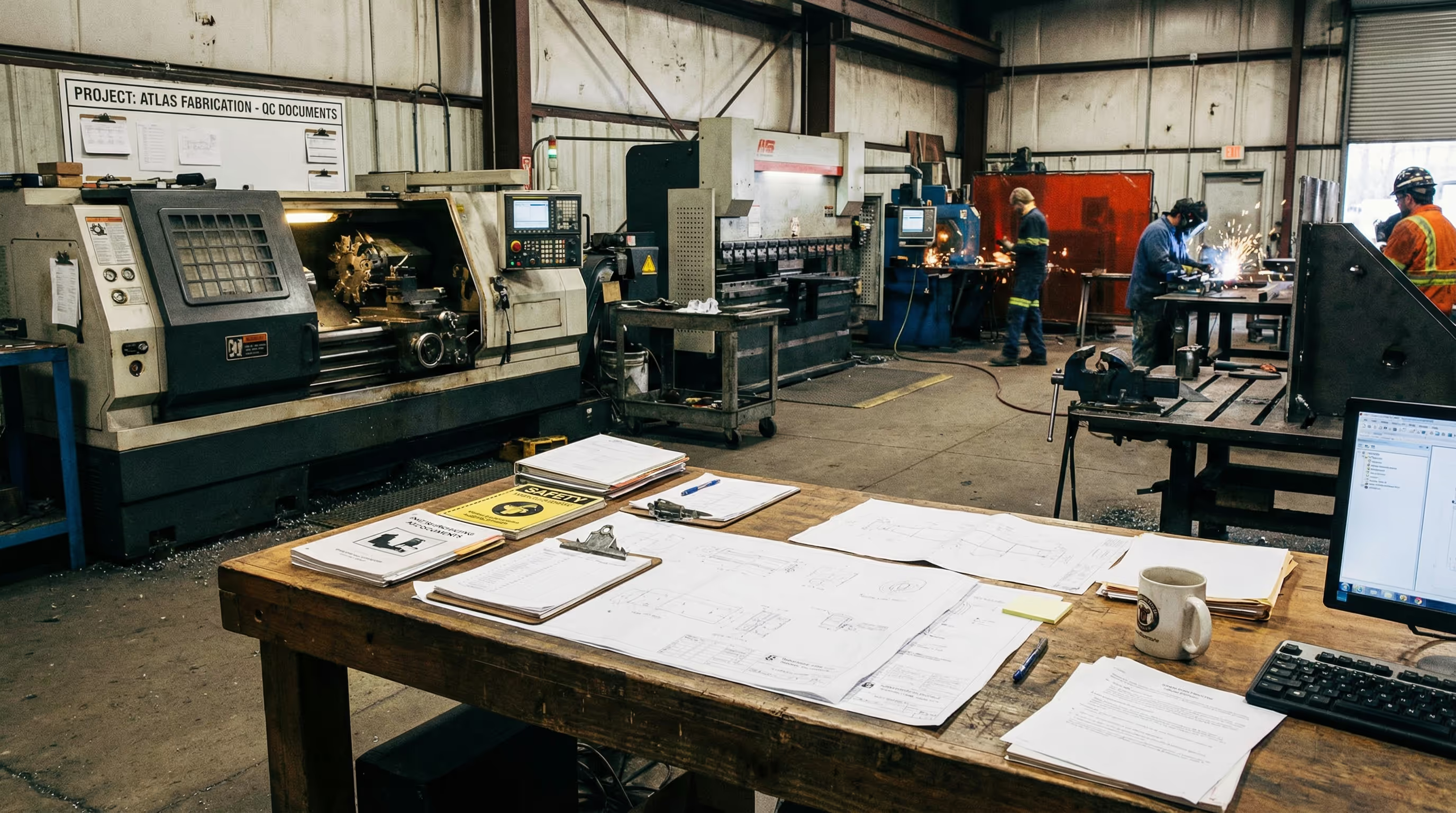
When your bank requests a metalworking equipment appraisal for a loan, or you need valuations for insurance coverage, the success of your appraisal often depends on the documents you provide. Missing or incomplete documentation can delay the process, reduce your equipment's appraised value, or even result in rejected loan applications.
The good news is that preparing for a metalworking equipment appraisal becomes straightforward when you know exactly what documents to gather. This guide provides you with a complete document checklist, explains how appraisers use each piece of information, and walks you through the entire appraisal process.
Quick Answer: Essential documents include equipment identification details (make, model, serial numbers), purchase records, maintenance logs, current photos, and usage history. Having complete documentation typically results in more accurate and defensible valuations.
A metalworking equipment appraisal is a professional assessment of your machinery's economic value, conducted by certified appraisers who follow USPAP (Uniform Standards of Professional Appraisal Practice) guidelines. These appraisals are commonly needed for bank loans, insurance coverage, tax purposes, estate planning, and business sales.
The foundation of any accurate appraisal lies in proper documentation. Appraisers rely on both physical inspection and detailed records to determine defensible values that banks, insurance companies, and courts will accept.
Equipment identification and specifications form the starting point for any appraisal. You'll need a complete itemized list of all machines being appraised, including manufacturer names, model numbers, and serial numbers for each piece. Year of manufacture helps determine depreciation, while technical specifications like capacity, size, power requirements, and available options directly impact market value.
Ownership and purchase documentation establishes legal ownership and provides baseline value information. Original purchase invoices or bills of sale show what you paid and when, which helps appraisers understand depreciation patterns. If your equipment is financed, loan or lease agreements are essential. Any documentation of upgrades, retrofits, or major improvements should also be included, as these modifications can significantly increase value.

Maintenance and usage records often make the difference between a higher and lower appraisal value. Service and maintenance logs demonstrate proper care, which supports higher valuations. Repair records, including major component replacements, help appraisers assess current condition and remaining useful life. Operating hours or cycle counts, when available, provide concrete usage data that affects value calculations. Understanding common mistakes to avoid during equipment appraisals can help ensure your documentation is complete and accurate.
Visual documentation gives appraisers crucial condition information, especially for desktop appraisals. Current photos from multiple angles show overall condition, while close-up shots of any damage, wear, or modifications help assess repair needs. Don't forget to photograph special tooling, fixtures, and accessories that add value to your equipment package.
Use this checklist to ensure you have all necessary documentation before scheduling your appraisal. Having complete records upfront typically results in faster turnaround times and more accurate valuations.
Document CategoryRequired ItemsNotesEquipment DetailsMake, model, serial numbers; specifications; year of manufactureEssential for identification and market researchOwnership RecordsPurchase invoices; titles; loan/lease agreementsProves ownership and establishes cost basisCondition EvidenceMaintenance logs; repair records; current photosDirectly impacts appraised valueUsage InformationOperating hours; production records; service contractsShows wear patterns and remaining life
Purpose-specific documentation may be required depending on your appraisal's intended use. Bank loan applications often require lender-specific forms and collateral schedules. Insurance appraisals may need current policy information and claims history. Estate or divorce situations require legal documents establishing the valuation date and ownership structure.
Pro Tip: Even if you're missing some documents, don't delay scheduling your appraisal. Experienced appraisers can work with incomplete information, though more documentation typically leads to stronger, more defensible values.
Understanding the appraisal process helps you see why each document matters. Appraisers consider multiple factors when determining value, and your documentation directly supports their analysis. Learning what to expect during a metalworking equipment appraisal can help you prepare appropriately.
Physical condition assessment relies heavily on your maintenance records and photos. Well-documented service history suggests proper care and can justify higher values within market ranges. Conversely, missing maintenance records may lead appraisers to assume average or below-average condition, potentially reducing your equipment's appraised value.
Market analysis involves comparing your equipment to similar machines currently for sale or recently sold. Your purchase documentation helps appraisers understand original cost and depreciation patterns, while specifications determine which comparable sales are most relevant to your specific equipment.
Value approaches typically include fair market value (what a willing buyer would pay a willing seller), orderly liquidation value (sale value given reasonable marketing time), and forced liquidation value (quick sale value). The purpose of your appraisal determines which value type is most appropriate, and your documentation quality affects the appraiser's confidence in their conclusions.

Knowing what happens during an appraisal helps you prepare effectively and understand how your documents fit into the overall timeline.
Pre-appraisal preparation begins when you contact the appraiser. You'll provide basic equipment information and discuss the appraisal's purpose, which determines the appropriate value type and report format. Gathering your documents during this phase saves time and ensures the appraiser has everything needed for accurate analysis. For those new to the process, reviewing a comprehensive look at metalworking equipment appraisal provides valuable context.
On-site inspection involves the appraiser physically examining each piece of equipment. They'll verify the information you provided, assess condition, take measurements, and photograph the equipment. Having your documentation organized and readily available during this visit demonstrates professionalism and helps ensure nothing is overlooked.
Research and analysis happens after the site visit, where appraisers research market data, analyze comparable sales, and apply appropriate valuation methods. Your documentation becomes crucial during this phase, as it supports the appraiser's conclusions and helps create a defensible report.
Report delivery typically occurs within one to two weeks, depending on the complexity and number of items appraised. USPAP-compliant reports include detailed descriptions, condition assessments, valuation methods, and the appraiser's certification of their findings.
Important: Desktop appraisals, conducted without site visits, rely entirely on your documentation and photos. While less expensive, they require exceptionally detailed information to produce reliable results. Understanding what is a desktop equipment appraisal can help you determine if this option suits your needs.
Proper preparation makes the difference between a smooth appraisal process and potential delays or complications. By gathering complete documentation upfront, you help ensure accurate valuations that banks, insurance companies, and other stakeholders will accept.
Remember that qualified machinery and equipment appraisers can work with incomplete information when necessary, but more documentation typically results in stronger, more defensible values. Whether you need an appraisal for financing, insurance, estate planning, or business purposes, starting with this checklist puts you on the path to success. Before moving forward, it's wise to understand what to consider when getting a metalworking equipment appraisal and to debunk common myths about metalworking equipment appraisals.
At AppraiseItNow, our certified appraisers specialize in metalworking equipment valuations nationwide, providing USPAP-compliant reports accepted by banks, courts, and insurance companies. Contact us today to discuss your specific appraisal needs and learn how proper documentation can maximize your equipment's appraised value.
Essential documents include a complete equipment list with make, model, serial numbers, and year of manufacture for each machine. You'll also need purchase invoices or ownership documentation, current photos from multiple angles, and maintenance records when available. While appraisers can work with incomplete information, having these core documents typically results in more accurate and defensible valuations.
Yes, maintenance and service records can significantly impact your equipment's appraised value. Well-documented preventive maintenance demonstrates proper care and can justify higher values within market ranges. Conversely, missing maintenance records may lead appraisers to assume average or below-average condition, potentially reducing your equipment's value even if the machines are well-maintained.
Desktop appraisals rely entirely on your documentation and photos since there's no physical inspection. This requires exceptionally detailed information including comprehensive photos, precise measurements, detailed condition descriptions, and complete specifications. On-site appraisals still benefit from good documentation, but the appraiser can verify information and assess condition during their visit.
Yes, experienced appraisers can work with incomplete purchase documentation. Alternative records include fixed-asset registers, accounting records, insurance policies, or depreciation schedules. You can also contact equipment manufacturers for historical pricing data or use shipping and customs paperwork. While original invoices are preferred, missing them won't prevent a credible appraisal.