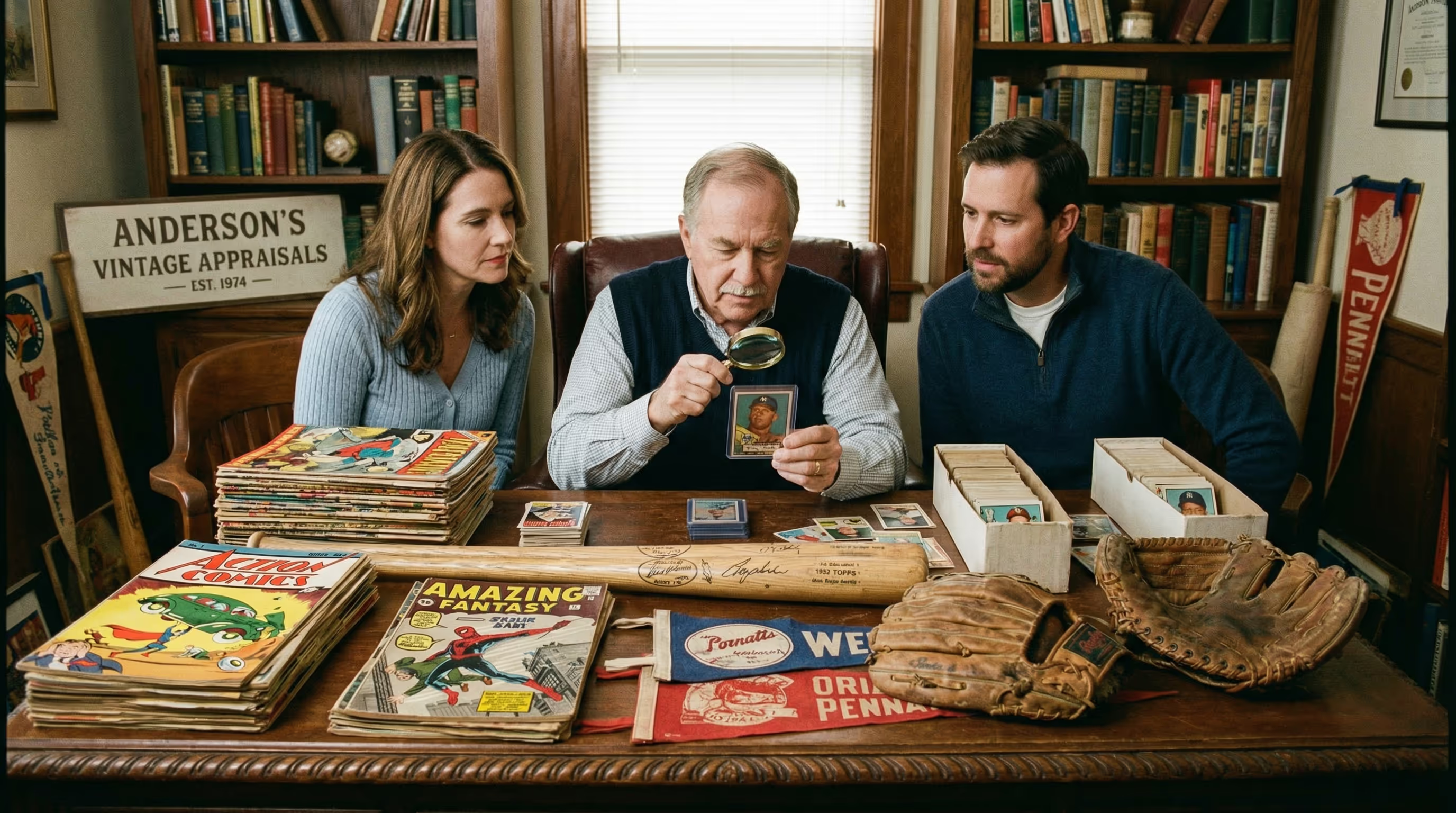
Whether you've inherited a collection of vintage baseball cards or discovered rare comic books in your attic, getting a professional appraisal can help you understand their true value. The collectibles market has grown significantly, with some items appreciating hundreds of percent over the past decade. However, navigating the appraisal process requires understanding key differences between appraisals and authentications, knowing what to expect in terms of costs, and finding qualified professionals.
Quick Answer: A memorabilia appraisal typically costs $200-$500 per item and takes 3-7 days to complete. The process involves condition assessment, market research, and documentation verification to determine fair market value.
This guide walks you through everything you need to know before scheduling your first collectibles appraisal, from preparation steps to selecting the right appraiser for your specific items.
Not every collectible needs a professional appraisal. The best candidates are items you suspect have significant value based on their condition, rarity, or historical importance. Focus on pieces that remain in original condition without alterations, repairs, or repainting, as these modifications typically reduce value substantially.
Items still in original packaging or with documented provenance carry premium value. Popular categories include vintage toys, sports memorabilia, comic books, rare stamps, coins, and antique jewelry. However, market values fluctuate, so research current trends before investing in an appraisal.

Consider the item's age, maker, and any unique characteristics. Generally, older items from limited production runs or those connected to significant historical events command higher values. If you're unsure about an item's potential worth, many appraisers offer brief consultations to help you decide whether a full appraisal makes financial sense.
Many people confuse appraisals with authentications, but they serve different purposes. An appraisal determines an item's monetary value through market research, comparable sales analysis, and condition assessment. Appraisers provide educated estimates based on current market conditions and similar item transactions.
Authentication verifies whether an item is genuine. Authentication experts examine production quality, materials, construction methods, and other factors to confirm authenticity. This process often requires documentation or provenance evidence and typically precedes the appraisal process.
ServicePurposeTypical CostTimelineAuthenticationVerify genuineness$100-$3001-3 daysAppraisalDetermine market value$200-$5003-7 daysCombined ServiceBoth verification and valuation$300-$7005-10 days
Some items require both services. For example, a signed sports jersey needs authentication to verify the signature's legitimacy before an appraiser can determine its market value. Understanding the difference between an appraisal and a valuation helps you choose the right service for your needs.
Pro Tip: If you're unsure about authenticity, start with authentication before investing in a full appraisal. This prevents paying appraisal fees for items that turn out to be reproductions or fakes.
Appraisal costs vary significantly based on several factors. Professional appraisers typically charge hourly rates ranging from $150-$400 per hour, though some offer flat fees for straightforward items. Complex pieces requiring extensive research cost more than common collectibles with established market values.
Item size, condition, and rarity affect pricing. Appraisers may offer discounted rates for multiple items from the same collection or waive fees entirely for items with no measurable value. The appraiser's experience level and geographic location also influence costs.
Timeline depends on the item's complexity and the appraiser's workload. Simple items like individual coins or stamps often receive reports within 2-3 days. Complex collections or rare pieces requiring extensive market research may take 1-2 weeks. Always confirm expected delivery times upfront and maintain communication throughout the process.

Most appraisers require payment upfront or upon completion. Ask about payment terms, report format, and whether updates are included if market conditions change significantly shortly after the appraisal.
Choosing the right appraiser is crucial for accurate valuations. Look for professionals accredited by recognized organizations like the International Society of Appraisers (ISA), American Society of Appraisers (ASA), or Professional Appraisers Association of America. These credentials indicate formal training and adherence to professional standards.
Research potential appraisers' specializations and experience with your specific item type. A jewelry appraiser may not be the best choice for vintage comic books. Check reviews, ask for references, and verify their track record with similar items. When dealing with specialized items like collectible stamps or vintage toys, finding an expert in those specific categories is essential.
Red Flag Warning: Avoid appraisers who base fees on a percentage of the item's appraised value, as this creates conflicts of interest. Legitimate appraisers charge flat fees or hourly rates regardless of the final valuation.
Prepare for your appointment by gathering any available documentation, including purchase receipts, previous appraisals, certificates of authenticity, or provenance information. High-quality photographs from multiple angles can be helpful, especially for items too fragile to transport safely. Understanding how to properly store and maintain your memorabilia before the appraisal can also help preserve value.
During the appraisal, expect the professional to examine the item thoroughly, ask about its history, and take detailed measurements and photographs. They'll research comparable sales and market trends before providing their final valuation in a detailed written report.
Working with memorabilia and collectibles appraisals doesn't have to be overwhelming when you understand the process and prepare properly. Focus on items with genuine potential value, choose qualified professionals with relevant experience, and gather supporting documentation beforehand. Whether you're settling an estate, planning insurance coverage, or simply satisfying curiosity about family heirlooms, a professional appraisal provides the accurate valuation you need to make informed decisions about your collectibles.
A memorabilia appraisal typically costs $200-$500 per item, though prices can range from $100-$700 depending on complexity. Professional appraisers charge hourly rates of $150-$400 per hour or offer flat fees for straightforward items. Complex pieces requiring extensive research cost more than common collectibles with established market values.
An appraisal determines an item's monetary value through market research and condition assessment, while authentication verifies whether an item is genuine. Authentication examines production quality, materials, and construction methods to confirm authenticity, typically costing $100-$300. Some items require both services - authentication first to verify genuineness, then appraisal to determine market value.
Look for professionals accredited by recognized organizations like the International Society of Appraisers (ISA), American Society of Appraisers (ASA), or Professional Appraisers Association of America. Research their specializations and experience with your specific item type, check reviews, and verify their track record. Avoid appraisers who base fees on a percentage of the appraised value, as this creates conflicts of interest.
A memorabilia appraisal typically takes 3-7 days to complete for simple items like individual coins or stamps. Complex collections or rare pieces requiring extensive market research may take 1-2 weeks. The timeline depends on the item's complexity, rarity, and the appraiser's current workload. Always confirm expected delivery times upfront.