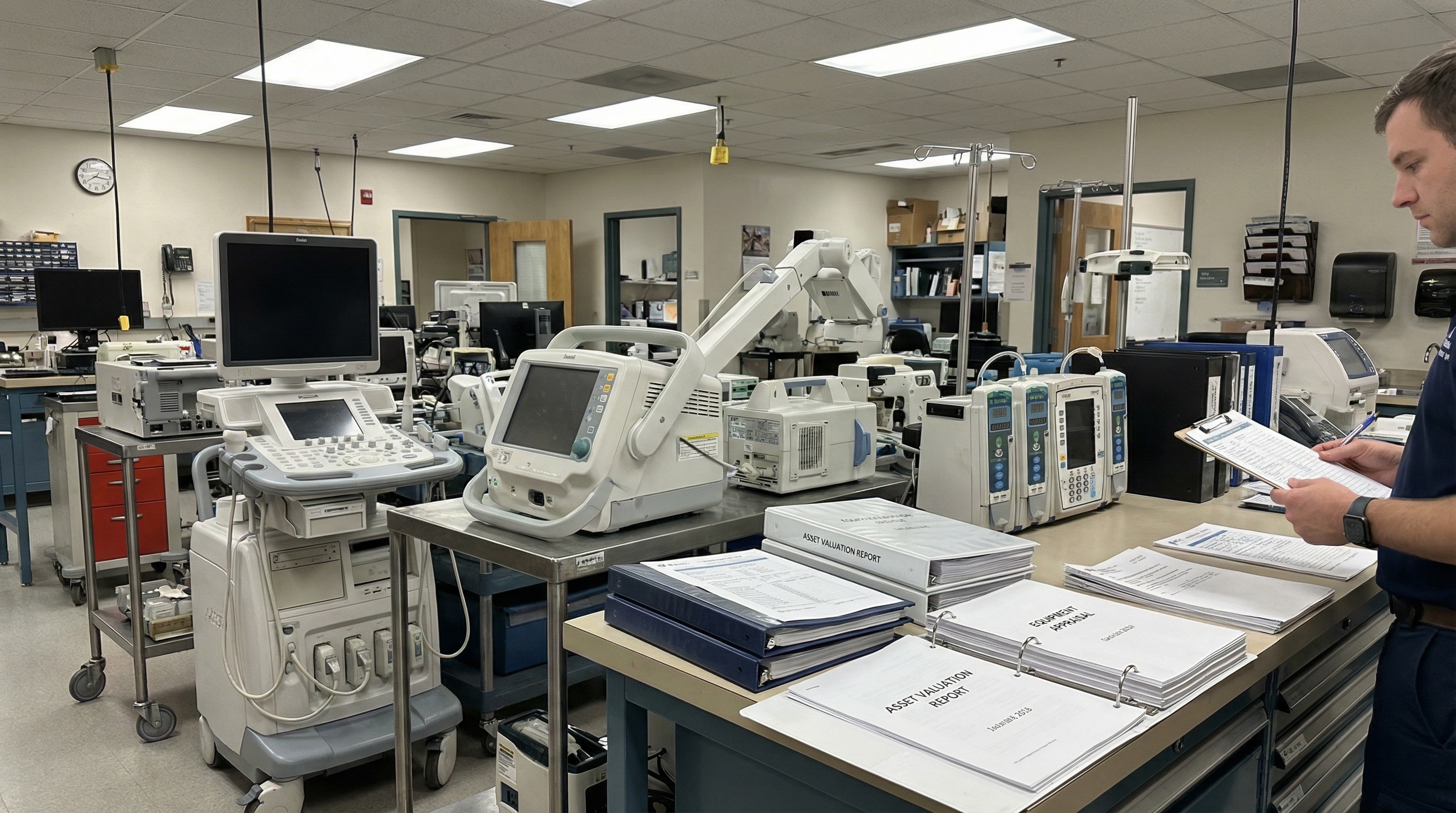
When your hospital faces an audit, insurance claim, or practice sale, you need defensible values for your medical equipment that will stand up to scrutiny from the IRS, courts, and financial institutions. A professional medical equipment appraisal provides the independent, USPAP-compliant valuation that protects your organization legally and financially.
Medical equipment appraisals typically take 5-10 business days for single facilities and cost between $2,500-$15,000 depending on the scope and complexity. These appraisals establish fair market value, replacement cost, or liquidation value for purposes including insurance coverage, charitable donations, estate planning, mergers and acquisitions, financial reporting, and regulatory compliance.
Key Insight: Over 10,000 organizations rely on USPAP-compliant medical equipment appraisals to meet IRS requirements and support critical business decisions with defensible valuations.
This guide explains what medical equipment appraisals are, when you need them, how the process works, what affects equipment value, and how to choose a qualified appraiser who understands the unique challenges of healthcare asset valuation.
What is a medical equipment appraisal?
A medical equipment appraisal is an independent, professional assessment that determines the value of medical devices and healthcare technology according to recognized standards. Unlike informal estimates or dealer quotes, these appraisals follow strict USPAP guidelines and provide legally defensible valuations accepted by the IRS, courts, and financial institutions.
Professional appraisers use three main value standards depending on your specific needs. Fair market value represents what equipment would sell for between willing buyers and sellers in an open market. Replacement cost reflects what you'd pay to replace equipment with similar functionality today. Liquidation value estimates what equipment would bring in a forced sale situation.
The key difference between a professional appraisal and other valuations is methodology and compliance. Certified appraisers research comparable sales, analyze market conditions, inspect equipment condition, and document their findings in detailed reports that meet legal and regulatory standards. Understanding the different types of medical equipment appraisals can help you determine which approach best suits your specific situation.
Who needs medical equipment appraisals and when?
Healthcare providers need appraisals in several critical situations. Hospitals and medical practices often require valuations when buying or selling facilities, adding partners, refinancing debt, or facing regulatory audits. Insurance companies require appraisals to establish coverage limits and settle claims after equipment damage or theft.
The IRS requires qualified appraisals for charitable donations of medical equipment valued over $5,000. Estate and divorce proceedings need independent valuations to ensure fair asset distribution. Financial institutions require appraisals for loan collateral and merger transactions.
Medical equipment dealers and leasing companies use appraisals to establish residual values, support financing decisions, and manage portfolio risk. Attorneys and CPAs rely on these valuations for litigation support, tax planning, and fiduciary responsibilities. To learn more about these scenarios, explore common questions about medical equipment appraisals.
Important Note: Equipment appraisals must be completed by IRS-qualified appraisers within 60 days of charitable donations to meet federal tax requirements.
The timing matters significantly. Equipment values change rapidly due to technological advances, so appraisals older than 12-18 months may not reflect current market conditions for critical decisions.
Types of medical equipment we appraise
Medical equipment appraisals cover virtually every type of healthcare technology and support equipment found in modern facilities. The scope ranges from individual high-value devices to complete department inventories and entire facility assessments.
Imaging and diagnostic systems include MRI scanners, CT machines, X-ray equipment, ultrasound systems, mammography units, and nuclear medicine cameras. These systems often represent the highest individual values in medical facilities and require specialized knowledge of technology lifecycles and secondary markets.
Surgical and operating room equipment encompasses surgical tables, anesthesia machines, electrosurgical units, surgical microscopes, endoscopy equipment, and laser systems. Laboratory equipment includes analyzers, centrifuges, microscopes, incubators, and automated testing systems. For insights on valuing laboratory assets, see our guide on laboratory equipment appraisal.
Healthcare IT systems and medical software present unique valuation challenges due to licensing arrangements and rapid obsolescence. This category includes PACS systems, electronic health records, practice management software, and telemedicine platforms.
The appraisal process also covers medical furniture, patient monitoring systems, sterilization equipment, and facility support systems like medical gas equipment and emergency power systems.
How the medical equipment appraisal process works
The appraisal process follows a systematic approach designed to ensure accuracy and compliance with professional standards. Understanding each step helps you prepare effectively and manage expectations for timing and deliverables.
Step one involves defining the scope, purpose, and standard of value. Your appraiser will clarify exactly which equipment needs valuation, why the appraisal is needed, and which value definition applies to your situation. This foundation determines the entire approach and methodology.
Step two focuses on data collection and documentation review. You'll provide purchase records, maintenance logs, service contracts, depreciation schedules, and equipment specifications. The appraiser reviews this information to understand each item's history, condition, and configuration.

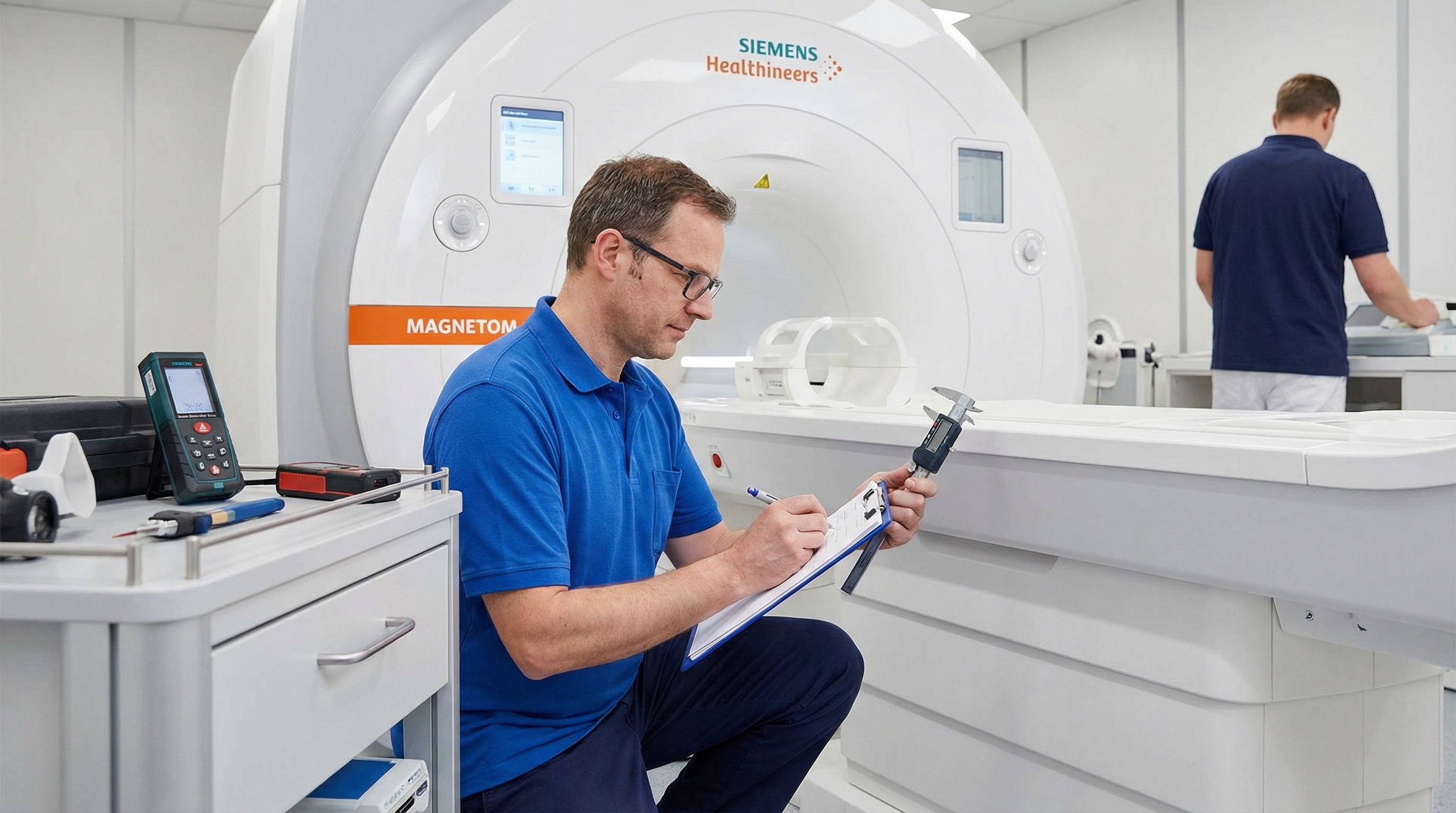
Step three involves equipment inspection, either onsite or through virtual methods. Physical inspections allow appraisers to assess actual condition, verify serial numbers, and document any modifications or accessories. Virtual inspections work well for standard equipment in good condition when detailed photos and documentation are available.
Step four encompasses research, analysis, and valuation using appropriate methodologies. Appraisers research comparable sales, analyze market trends, apply depreciation factors, and consider equipment-specific factors like regulatory status and technological obsolescence. Learn more about the steps of the medical equipment appraisal process.
Step five delivers the final appraisal report with detailed findings, methodology explanation, and supporting documentation. Most single-facility appraisals are completed within 7-10 business days after data collection, while multi-location or complex assignments may require 2-3 weeks.
What affects the value of your medical equipment?
Several key factors influence medical equipment values, and understanding these helps you maintain higher valuations and prepare for appraisals more effectively. Equipment condition ranks as the most significant factor, with well-maintained devices commanding premium values over those showing heavy use or deferred maintenance.
Age and technology lifecycle position affect values dramatically in healthcare where innovation moves rapidly. Equipment nearing the end of manufacturer support or facing technological obsolescence experiences accelerated depreciation regardless of physical condition.
Brand reputation and model recognition influence secondary market demand. Leading manufacturers like GE, Siemens, and Philips typically maintain stronger resale values than lesser-known brands, especially for complex imaging systems.
Regulatory status and software compliance create significant value impacts. Equipment requiring costly upgrades to meet current FDA regulations or software licensing may see substantial value reductions. Conversely, recently upgraded systems with current certifications command premium pricing. For a deeper understanding, review factors that influence the value of medical equipment appraisals.
Service contracts, warranties, and maintenance records demonstrate equipment reliability and reduce buyer risk. Complete documentation of preventive maintenance, calibration certificates, and service history can increase values by 10-20% compared to equipment with incomplete records.
Market demand and secondary market activity vary significantly by equipment type and geographic region. High-demand items like certain imaging systems maintain strong values, while oversupplied categories may experience price pressure.
Accessories, software options, and special configurations add value when they enhance functionality or reduce buyer setup costs. However, highly specialized configurations may limit market appeal and affect liquidity.
Choosing the right medical equipment appraiser
Choosing the right medical equipment appraisal company requires careful evaluation of credentials, experience, and compliance capabilities. The stakes are too high for healthcare organizations to work with unqualified providers who might produce reports that don't withstand scrutiny.
Look for appraisers with professional designations from recognized organizations like the American Society of Appraisers or International Society of Appraisers. These credentials require extensive education, testing, and continuing education to maintain. IRS qualification is essential for tax-related appraisals, while litigation experience matters for dispute resolution.
Medical equipment specialization makes a significant difference in accuracy and credibility. Healthcare technology requires understanding of regulatory requirements, technology lifecycles, and specialized secondary markets that general equipment appraisers may lack. Consider reading about how to find the right appraiser for your medical equipment before making your selection.
USPAP compliance ensures your appraisal meets professional standards and legal requirements. Ask potential appraisers about their quality control processes, peer review procedures, and professional liability insurance coverage.
Consider the appraiser's geographic coverage and inspection capabilities. National providers offer consistency across multiple locations, while local appraisers may provide more personalized service for single-facility needs.
AppraiseItNow brings together all these qualifications with nationwide coverage, flexible inspection options, and a track record of defensible reports accepted by over 10,000 organizations including the IRS, federal courts, and major insurance companies.
Conclusion
Medical equipment appraisals provide the foundation for critical business decisions, regulatory compliance, and financial protection. Whether you're facing an audit, planning a transaction, or managing insurance coverage, working with qualified professionals ensures you receive accurate, defensible valuations that support your objectives.
The investment in professional appraisals pays dividends through reduced risk, better decision-making, and confidence in your equipment values. When you need medical equipment appraisals, contact AppraiseItNow for USPAP-compliant reports that meet the highest professional standards and provide the defensible valuations your organization requires.