Medical Equipment Appraisal Process: What to Expect and How to Prepare

Last Updated on Sep 16, 2025
Originally Published on Sep 16, 2025
Thank you! Your submission has been received!
Oops! Something went wrong while submitting the form.
Nationwide Service
Onsite or Online
USPAP-Compliant
IRS Qualified
DEFENSIBLE, USPAP-COMPLIANT APPRAISAL REPORTS — ACCEPTED BY 10,000+ ORGANIZATIONS
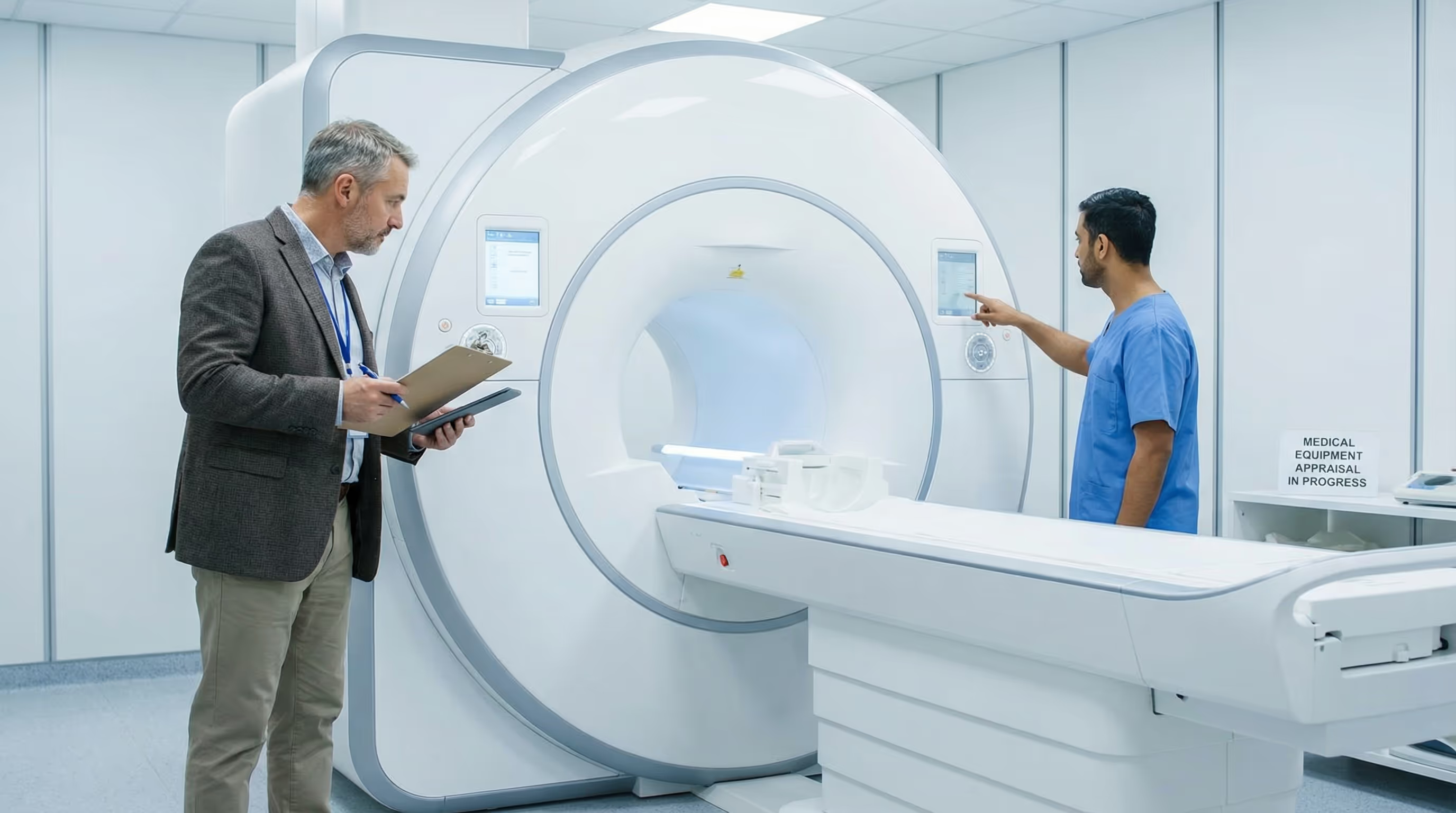
Medical equipment appraisal process showing appraiser examining MRI machine in modern healthcare facility

If you're a healthcare practice owner, administrator, or advisor dealing with medical equipment valuations, you're likely wondering what the appraisal process actually involves. Getting it wrong can mean underinsurance that leaves you exposed, financing issues that delay equipment purchases, or audit problems that cost time and money.

A medical equipment appraisal is a professional assessment that determines the fair market value of healthcare equipment through systematic inspection, research, and analysis. The process typically takes 1-3 weeks depending on equipment complexity and involves both onsite evaluation and market research to produce a defensible, USPAP-compliant report.

Quick Fact: Medical equipment appraisals are required for insurance coverage over certain thresholds, equipment financing, practice sales, and IRS compliance for donated equipment valued above $5,000.

At AppraiseItNow, we provide nationwide medical equipment appraisals that are accepted by courts, the IRS, and major insurance companies. Our certified appraisers understand the unique challenges healthcare professionals face when valuing everything from imaging equipment to surgical instruments.

Understanding medical equipment appraisals and their scope

A medical equipment appraisal is an unbiased, professional opinion of value performed by qualified appraisers who follow industry standards. Unlike estimates or guesses, these appraisals provide defensible valuations that hold up in legal proceedings, insurance claims, and financial audits.

The scope covers virtually any healthcare equipment you can imagine. High-value imaging equipment like MRI machines, CT scanners, and ultrasound systems are commonly appraised, along with surgical equipment, patient monitoring devices, and laboratory instruments. Even smaller items like examination tables, wheelchairs, and diagnostic tools can be included in comprehensive facility appraisals.

What makes medical equipment unique is how quickly technology advances. A five-year-old MRI might have significantly different capabilities than current models, affecting its market value. Appraisers must understand these technological shifts and how they impact equipment desirability and functionality.

Various types of medical equipment including CT scanner, surgical equipment, and monitoring devices arranged in healthcare setting

Step-by-step breakdown of the appraisal process

The medical equipment appraisal process follows a structured approach that ensures accuracy and compliance. It starts with a consultation where you discuss the equipment scope, intended use of the appraisal, and timeline requirements. This helps the appraiser understand whether you need fair market value for insurance, liquidation value for a sale, or replacement cost for financial reporting.

Next comes the planning phase where you'll provide equipment lists, documentation, and coordinate access. The appraiser will review your materials and schedule either an onsite inspection or arrange for detailed photos and information if a desktop appraisal is appropriate.

During the inspection phase, the appraiser examines each piece of equipment, noting condition, functionality, and any modifications or upgrades. They'll photograph equipment, record serial numbers, and assess factors that affect value like usage hours, maintenance history, and cosmetic condition.

The final phases involve market research and report preparation. The appraiser analyzes comparable sales, researches current market conditions, and applies appropriate valuation methods to reach their conclusion of value. You'll receive a comprehensive report detailing their findings and methodology, similar to what you'd expect when understanding the process of lab equipment appraisal.

Important Note: Onsite inspections are typically required for high-value equipment or when precise condition assessment is critical, while desktop appraisals may suffice for standard equipment with good documentation.

Valuation methods and factors that determine equipment value

Medical equipment appraisers use three primary valuation approaches, often combining methods for the most accurate assessment. The cost approach considers what it would cost to replace the equipment new, then subtracts depreciation for age, wear, and technological obsolescence. This works well for newer equipment or specialized items with limited sales data.

The market approach compares your equipment to recent sales of similar items, adjusting for differences in condition, age, and features. This method is most reliable when there's an active market for the equipment type, which is common for standard imaging and surgical equipment.

Several key factors influence your equipment's value beyond basic specifications. Age and usage hours matter significantly, especially for equipment with mechanical components or limited service life. Technology level is crucial in rapidly evolving fields like imaging, where newer software capabilities can make older models less desirable.

Physical condition affects value substantially. Well-maintained equipment with complete service records typically appraises higher than items showing wear or missing maintenance documentation. Service contracts and software licenses can add value, while regulatory compliance issues or needed repairs reduce it. Understanding factors that influence the value of medical equipment appraisals can help you better prepare for the process.

Valuation MethodBest Used ForKey ConsiderationsCost ApproachNewer equipment, specialized itemsReplacement cost minus depreciationMarket ApproachStandard equipment with active salesRecent comparable transactionsIncome ApproachRevenue-generating equipmentCash flow potential and returns

Preparing for your appraisal and required documentation

Proper preparation significantly impacts both the accuracy of your appraisal and how smoothly the process goes. Start by creating a comprehensive equipment list including make, model, serial number, purchase date, and current location for each item. This helps the appraiser plan their time efficiently and ensures nothing gets overlooked.

Gather all relevant documentation before the appraisal begins. Purchase invoices show original cost and acquisition date, while service records demonstrate maintenance history and current condition. Lease agreements, warranty information, and any previous appraisals provide additional value context.

Organize physical access to all equipment areas and designate a knowledgeable contact person who can answer questions about equipment history, usage patterns, and any issues. If equipment is in active use, coordinate scheduling to minimize disruption to your operations while allowing thorough inspection.

Organized medical equipment documentation including invoices, service records, and equipment manuals on desk

Consider your questions and concerns ahead of time. Understanding how the appraised value will be used helps the appraiser select appropriate valuation standards and methodology. Whether you're seeking insurance coverage, preparing for a sale, or satisfying audit requirements affects how the appraisal is structured and reported. For more detailed guidance, review these tips to ready your medical equipment for appraisal.

Pro Tip: Label equipment to match your inventory list, especially in facilities with multiple similar items, to ensure accurate identification and prevent confusion during the inspection process.

Choosing qualified appraisers and ensuring compliance

Selecting the right appraiser is crucial for obtaining credible, defensible valuations. Look for appraisers with professional designations from recognized organizations like the American Society of Appraisers (ASA) or the American Society of Equipment Appraisers (AMEA). These credentials indicate formal training and adherence to professional standards.

USPAP compliance is essential for appraisals used in legal proceedings, insurance claims, or financial reporting. The Uniform Standards of Professional Appraisal Practice provide the framework that courts, the IRS, and financial institutions expect. Non-compliant appraisals may be rejected when you need them most.

Experience in medical equipment specifically matters because healthcare technology has unique characteristics. An appraiser familiar with medical equipment markets, regulatory requirements, and technology trends will provide more accurate valuations than someone who occasionally appraises healthcare items. Learn more about how to find the right appraiser for your medical equipment.

AppraiseItNow's certified appraisers specialize in medical equipment and maintain the credentials and experience necessary for defensible valuations. Our reports are accepted by courts, the IRS, and major insurance companies because we follow rigorous professional standards and understand the specific requirements of healthcare equipment appraisals.

The appraisal process doesn't have to be complicated or disruptive to your practice. With proper preparation and a qualified appraiser, you'll receive the accurate, defensible valuation you need for insurance, financing, sales, or compliance purposes. Whether you're dealing with a single high-value piece of equipment or an entire facility inventory, understanding what to expect helps ensure a smooth process and reliable results.

FAQ

How long does a medical equipment appraisal typically take?

Most medical equipment appraisals take 1-3 weeks depending on the complexity and number of items being appraised. Simple single-equipment appraisals may be completed in a few days, while comprehensive facility inventories or complex imaging systems can take longer. Factors affecting timeline include equipment accessibility, completeness of documentation, and whether onsite inspection is required.

What documents do I need to prepare for a medical equipment appraisal?

You should gather a complete equipment list with make, model, and serial numbers; original purchase invoices; maintenance and service records; warranty information; lease agreements if applicable; and any previous appraisal reports. Having clear photos and access instructions for each piece of equipment also helps ensure a smooth appraisal process.

What qualifications should I look for in a medical equipment appraiser?

Choose an appraiser with professional certifications from recognized organizations like ASA (American Society of Appraisers) or AMEA (American Society of Equipment Appraisers), USPAP compliance training, and specific experience with medical equipment. The appraiser should produce reports accepted by courts, the IRS, and major financial institutions for maximum credibility and defensibility.

Can medical equipment be appraised remotely without an onsite visit?

Yes, desktop appraisals can be performed for standard equipment when detailed photos, documentation, and equipment specifications are provided. However, onsite inspections are typically required for high-value equipment like MRI machines or when precise condition assessment is critical for the appraisal's intended use, such as insurance claims or legal proceedings.

Related Appraisals We Offer

Related Articles

BEST-IN-CLASS APPRAISERS, CREDENTIALED BY: