Medical Equipment Appraisal Guide: How Value Is Determined and When You Need One

Last Updated on Sep 14, 2025
Originally Published on Sep 14, 2025
Thank you! Your submission has been received!
Oops! Something went wrong while submitting the form.
Nationwide Service
Onsite or Online
USPAP-Compliant
IRS Qualified
DEFENSIBLE, USPAP-COMPLIANT APPRAISAL REPORTS — ACCEPTED BY 10,000+ ORGANIZATIONS
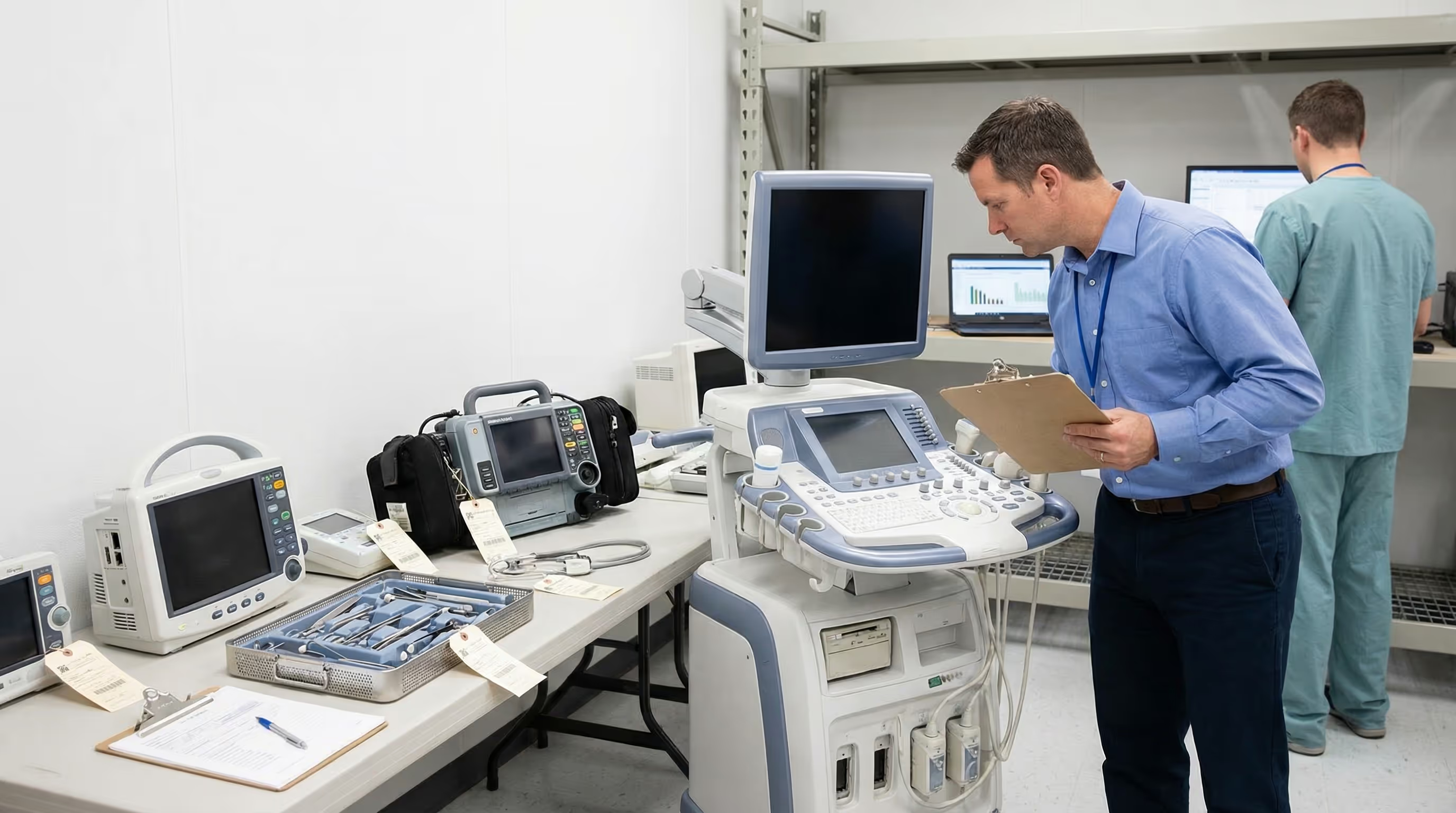
medical equipment appraisal process showing various medical devices being evaluated by a professional appraiser

If you buy, sell, or insure medical equipment, knowing its true value is critical for making sound financial decisions. A medical equipment appraisal is a professional assessment that determines the fair market value of medical devices, machinery, and technology based on current market conditions, equipment condition, and industry standards.

You might need a medical equipment appraisal when financing equipment purchases, settling insurance claims, handling estate matters, or preparing for mergers and acquisitions. This guide explains how appraisals work, what affects equipment value, and how to prepare so you receive a defensible, IRS- and USPAP-compliant report.

Quick Answer: Medical equipment appraisals typically cost between $500-$2,500 per item depending on complexity, with most reports delivered within 5-10 business days of inspection.

What is a medical equipment appraisal

A medical equipment appraisal is a formal valuation process conducted by certified professionals to determine the current market value of medical devices and equipment. Unlike simple price quotes or online estimates, appraisals follow strict professional standards and provide legally defensible documentation.

The appraisal process involves physical inspection, market research, and analysis of comparable sales to establish value. Appraisers consider factors like equipment age, condition, technology level, and current market demand to determine fair market value.

Most medical equipment appraisals follow Uniform Standards of Professional Appraisal Practice (USPAP) guidelines, ensuring consistency and reliability. This makes the reports acceptable to courts, insurance companies, lenders, and tax authorities. Understanding the different types of medical equipment appraisals can help you determine which approach best suits your needs.

Key valuation concepts and standards

Understanding different value standards helps you request the right type of appraisal for your specific needs. Fair market value represents what a willing buyer would pay a willing seller in an open market, assuming both parties have reasonable knowledge of relevant facts.

Replacement cost reflects what you would pay to acquire similar equipment with equivalent utility today. This standard often applies to insurance coverage decisions and financial reporting purposes.

diagram showing different valuation approaches including fair market value, replacement cost, and liquidation value with examples

Liquidation value represents the amount you could expect to receive in a forced sale situation, typically lower than fair market value. USPAP compliance ensures your appraisal meets professional standards required by courts, lenders, and government agencies.

Important Note: IRS-qualified appraisals for charitable donations over $5,000 must be performed by certified appraisers following specific documentation requirements.

When you should get a medical equipment appraisal

Several situations require professional medical equipment appraisals to protect your interests and ensure compliance with regulations. Insurance purposes represent one of the most common needs, whether you're establishing coverage limits or filing claims after damage or theft.

Financial transactions often trigger appraisal requirements. Lenders typically require appraisals when medical equipment serves as collateral for loans or lines of credit. Buyers and sellers use appraisals to negotiate fair prices and avoid overpaying or undervaluing assets.

Legal matters frequently involve equipment appraisals. Estate planning, divorce proceedings, and business partnership disputes all benefit from independent valuation documentation. Tax situations, including charitable donations and depreciation calculations, may require certified appraisals to satisfy IRS requirements. Understanding common challenges in probate appraisal and how to overcome them can help during estate settlements.

Merger and acquisition activities rely heavily on accurate equipment valuations to determine fair purchase prices and asset allocations. Without proper appraisals, you risk significant financial exposure in these high-stakes transactions.

How medical equipment appraisals are performed

The appraisal process follows a systematic approach to ensure accuracy and defensibility. Information gathering comes first, where appraisers collect equipment specifications, purchase records, maintenance history, and usage documentation from you.

Physical inspection allows appraisers to assess actual condition, verify specifications, and identify any modifications or upgrades. They examine equipment functionality, wear patterns, and compliance with current safety standards.

Market research involves analyzing recent sales of comparable equipment, consulting industry databases, and evaluating current market conditions. Appraisers consider factors like supply and demand, technological obsolescence, and regional market variations. To learn more about the steps of the medical equipment appraisal process, you can explore detailed breakdowns of each phase.

The final step involves applying appropriate valuation methods and preparing a comprehensive report. Professional appraisers typically use multiple approaches to validate their conclusions and provide supporting documentation for their value determinations.

Appraisal StepTimelineYour RoleInformation gathering1-2 daysProvide documents and specificationsPhysical inspectionHalf daySchedule access and answer questionsMarket research2-3 daysNone requiredReport preparation2-4 daysReview draft if requested

Pro Tip: Gathering maintenance records, purchase invoices, and warranty information before the appraisal can reduce costs and turnaround time significantly.

professional appraiser inspecting medical equipment with clipboard and measuring tools in a clinical setting

Factors that influence medical equipment value

Equipment age and condition represent the most obvious value drivers, but technology level often matters more than chronological age. A five-year-old ultrasound machine with recent software updates may appraise higher than a similar unit without current technology.

Brand reputation and market demand significantly impact values. Equipment from established manufacturers with strong service networks typically holds value better than lesser-known brands. Current market conditions, including supply chain issues or regulatory changes, can cause dramatic value fluctuations. For comprehensive insights, review factors that influence the value of medical equipment appraisals.

Regulatory compliance status affects both value and marketability. Equipment that meets current FDA standards and safety requirements commands premium pricing compared to units requiring costly upgrades or facing obsolescence.

Installation requirements and portability influence value, especially for larger equipment. Fixed installations may have lower resale value due to removal and reinstallation costs, while portable units often maintain stronger market appeal. Before scheduling your appraisal, consider reviewing tips to ready your medical equipment for appraisal to ensure optimal results.

The appraisal process requires expertise in medical technology, market conditions, and professional valuation standards. At AppraiseItNow, our certified appraisers combine years of experience with current market knowledge to deliver accurate, defensible valuations that protect your interests and satisfy regulatory requirements.

FAQ

How much does a medical equipment appraisal cost?

Medical equipment appraisals typically cost between $500-$2,500 per item, depending on the complexity of the equipment, number of assets, location requirements, and type of report needed. Factors that affect cost include whether an on-site inspection is required, the specialization level of the equipment, and turnaround time. Most appraisal firms provide custom quotes after reviewing your equipment list and intended use of the appraisal.

How long does a medical equipment appraisal take?

Most medical equipment appraisals are completed within 5-10 business days from the time of inspection or data collection. The timeline depends on the number of assets, complexity of equipment, scheduling availability for on-site inspections, and the type of report required. Simple desktop appraisals for well-documented equipment may be completed faster, while comprehensive on-site evaluations of large facilities may take longer.

What is the difference between fair market value and liquidation value in medical equipment appraisals?

Fair market value represents what medical equipment would sell for between willing buyers and sellers in a normal market with adequate marketing time and both parties having reasonable knowledge. Liquidation value reflects what the equipment would bring in a forced or quick sale scenario, typically 20-40% lower than fair market value. Fair market value is used for financing, insurance, and normal business transactions, while liquidation value applies to distressed sales, bankruptcy, or urgent disposal situations.

Are medical equipment appraisals USPAP compliant and IRS qualified?

Professional medical equipment appraisals should follow Uniform Standards of Professional Appraisal Practice (USPAP) guidelines and be performed by IRS-qualified appraisers when required for tax purposes. USPAP compliance ensures the appraisal meets standards accepted by courts, lenders, and government agencies. For charitable donations over $5,000, the IRS requires appraisals by qualified appraisers with proper credentials and documentation to support tax deductions.

Related Appraisals We Offer

Related Articles

BEST-IN-CLASS APPRAISERS, CREDENTIALED BY: