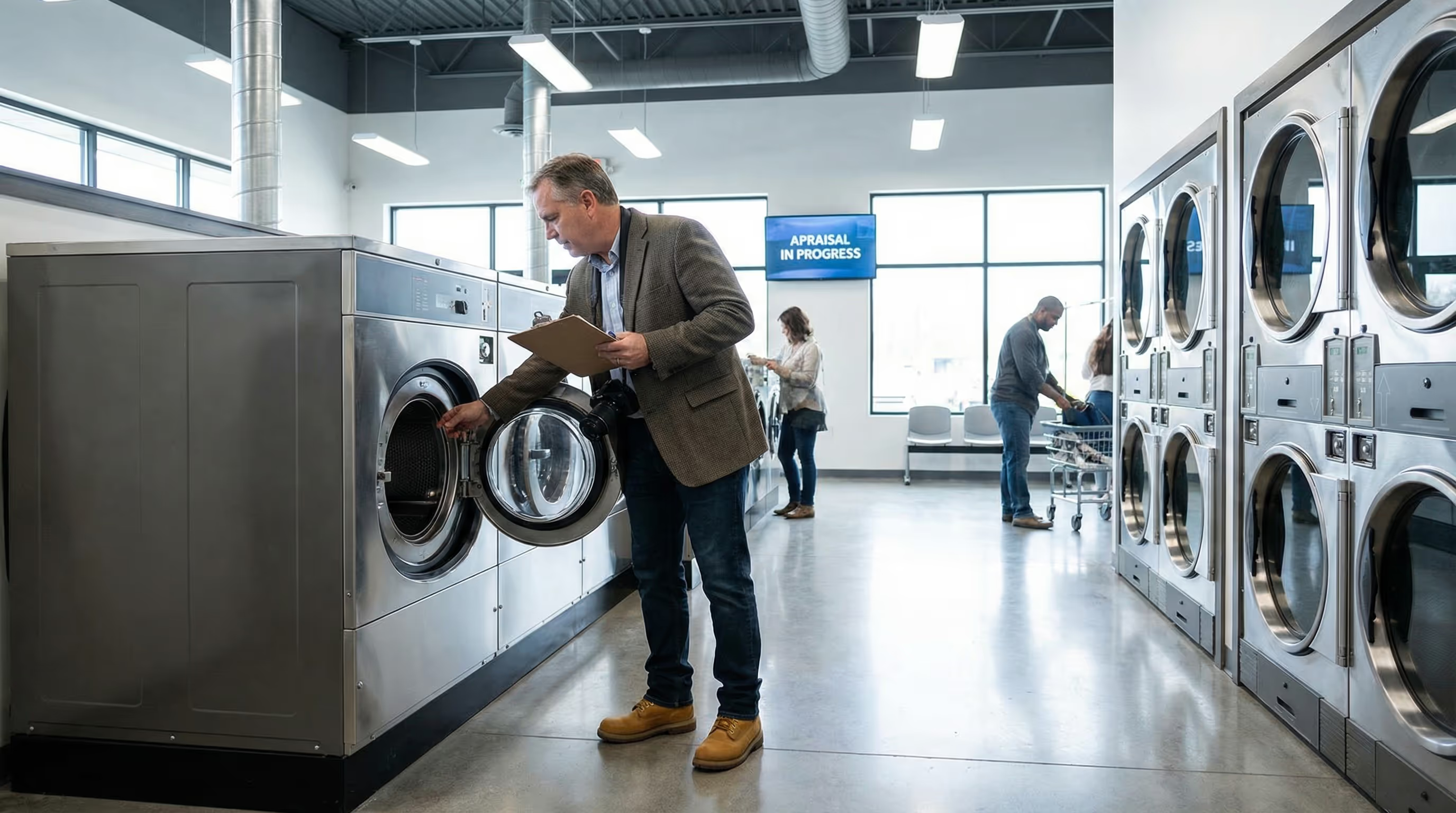
Several specific factors determine how much your laundry equipment is worth in today's market. Understanding these helps you maintain value and make informed upgrade decisions.
Age and maintenance history play the biggest role in valuation. Equipment under five years old typically retains 70-80% of its original value with proper maintenance, while machines over 15 years old may only be worth 20-30% of replacement cost. Well-documented maintenance records can add 10-15% to an appraisal value.
Brand reputation and model specifications significantly impact resale value. Commercial-grade brands like Huebsch, Speed Queen, and Wascomat maintain higher values than consumer-grade equipment. High-capacity machines (40+ pound washers, 75+ pound dryers) command premium prices in commercial markets.
Energy efficiency ratings have become increasingly important as utility costs rise. ENERGY STAR certified equipment often appraises 15-25% higher than standard models due to lower operating costs and regulatory compliance benefits.
Technology features like programmable controls, payment systems integration, and remote monitoring capabilities add value, especially for equipment installed in the last five years. However, outdated technology can decrease value if it's incompatible with modern payment or management systems.
Equipment condition matters more than age in many cases. A well-maintained 8-year-old commercial washer can appraise higher than a poorly maintained 3-year-old unit.
Professional appraisals directly influence several high-stakes financial situations where accurate equipment values make or break deals.
When buying or selling a laundry business, equipment typically represents the largest asset category. Buyers use appraisals to verify asking prices and secure financing, while sellers use them to justify valuations and avoid leaving money on the table. A $200,000 equipment package that appraises at $160,000 can reduce the total business sale price by $40,000 or more.
For financing and refinancing, lenders require current appraisals when equipment serves as collateral. Banks typically lend 70-80% of appraised value for commercial laundry equipment. An outdated appraisal showing lower values can reduce available credit or require additional collateral.
Insurance coverage decisions rely heavily on appraisal values. Underinsuring equipment leaves you vulnerable to major losses, while overinsuring wastes premium dollars. Professional appraisals help you set coverage limits that protect your investment without overpaying. Learn more about what you need to know about insuring equipment and machinery appraisals.
Lease negotiations and buyouts become more straightforward with documented values. Whether you're negotiating equipment lease terms or exercising a purchase option, appraisals provide objective benchmarks that both parties can accept.
The timing of your appraisal can significantly impact its usefulness and accuracy. Most business owners should plan for both scheduled and event-driven appraisals.
Standard reappraisal frequency should occur every 3-5 years for active commercial laundry operations. This timeline balances cost with the need for current valuations, especially as equipment depreciates and market conditions change.
Event-driven appraisals become necessary when specific business situations arise. These include business sales or purchases, refinancing requests, insurance claim filings, partnership buyouts, estate planning, or significant equipment additions or upgrades.
Market condition triggers may also warrant new appraisals. Major changes in energy costs, new efficiency regulations, or shifts in commercial real estate markets can affect equipment values enough to justify updated valuations.
For equipment financing, lenders typically require appraisals no older than 90 days. Insurance companies may accept appraisals up to 2-3 years old for coverage decisions, but recent appraisals speed up claim processing and reduce disputes. If you're preparing for an appraisal, check out how to prepare for a laundry equipment appraisal to ensure you're ready.

Understanding appraisal costs helps you make informed decisions about when the investment makes sense for your situation.
Typical appraisal fees range from $500-1,500 for small laundromats with 10-20 machines, $1,500-2,500 for mid-size operations with 30-50 machines, and $2,500-4,000 for large commercial facilities with 75+ machines. Complex installations with specialized equipment may cost more.
Potential savings often exceed appraisal costs by 10-20 times. Accurate appraisals help you avoid overpaying by $5,000-15,000 when buying equipment, optimize insurance coverage to save $1,000-3,000 annually in premiums, and justify higher sale prices that can add $10,000-50,000 to business valuations.
ScenarioAppraisal CostPotential SavingsROIEquipment purchase$1,200$8,000-15,0007-12xBusiness sale$2,000$15,000-40,0008-20xInsurance optimization$800$2,000/year2.5x annuallyFinancing decision$1,500$5,000-12,0003-8x
Risk mitigation value extends beyond direct savings. Proper appraisals reduce disputes in partnerships, speed up insurance claims, and provide legal protection in audits or litigation. These benefits are harder to quantify but often justify the appraisal cost alone. To maximize your investment, avoid common mistakes when getting a laundry equipment appraisal.
The cost of not having a current appraisal often exceeds the appraisal fee itself. Underinsured equipment, overpaid purchases, or disputed valuations can cost tens of thousands more than professional documentation.
Professional laundry equipment appraisals protect your business finances by providing accurate, defensible valuations when you need them most. Whether you're buying, selling, financing, or insuring your equipment, the relatively small cost of professional documentation pays dividends through better financial decisions and reduced risk.
The key is working with certified appraisers who understand commercial laundry operations and follow industry standards. With proper timing and qualified professionals, appraisals become powerful tools for maximizing your equipment investments and protecting your business value. For guidance on selecting the right professional, read about how to find the right appraiser for your laundry equipment.
A laundry equipment appraisal includes an on-site or virtual inspection of washers, dryers, presses, boilers, and support systems; a review of serial numbers, capacities, and maintenance records; analysis of age, condition, and technology level; market research on comparable sales; and a written report stating the concluded value, the valuation approach used, and the intended use of the appraisal.
Most laundry businesses should reappraise their equipment every 3-5 years, or sooner if there are major upgrades, rapid market changes, ownership changes, or planned financing or sale. Regular reappraisals keep asset values, insurance limits, and loan collateral in line with current market conditions so you are not relying on outdated numbers when making financial decisions.
Yes. Many lenders accept laundry equipment as collateral, but they typically require a recent, independent appraisal to verify its value. A professional appraisal helps the lender set appropriate loan-to-value ratios and can improve your chances of approval and better loan terms.
Look for an appraiser with formal appraisal training, credentials from recognized organizations like ASA or CMEA, experience in machinery and equipment valuation, knowledge of the laundry industry, and reports that comply with USPAP standards. These credentials make the appraisal more credible to lenders, insurers, courts, and tax authorities.