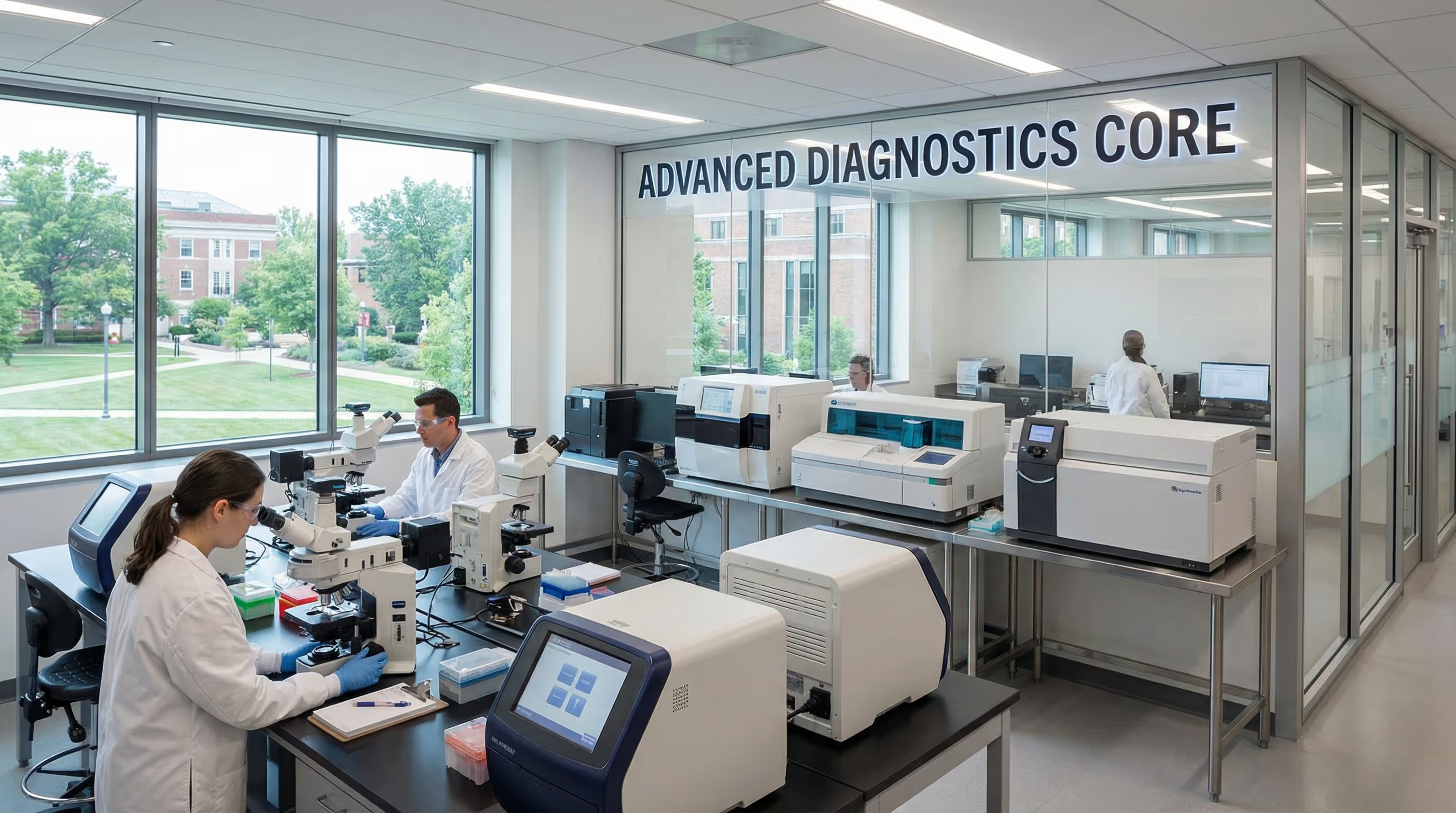
When your laboratory equipment needs valuation for insurance claims, financing, or business transactions, choosing the wrong appraisal type can cost you thousands of dollars in undercompensation or compliance issues. A laboratory equipment appraisal is a professional assessment that determines the monetary value of scientific instruments, diagnostic equipment, and research machinery using standardized methodologies.
There are several distinct types of laboratory equipment appraisals, each designed for specific purposes. Fair market value appraisals work best for sales and acquisitions, while replacement cost appraisals suit insurance coverage needs. Liquidation value appraisals help during bankruptcy or urgent asset disposal situations.
Key insight: Laboratory equipment appraisals differ significantly from general machinery valuations because they must account for specialized calibration requirements, regulatory compliance standards, and rapidly evolving technology that affects depreciation rates.
This guide covers the main appraisal types you'll encounter, their costs, required documentation, and how to choose the right approach for your specific situation. Whether you manage a medical diagnostic lab, research facility, or academic institution, understanding these distinctions helps you make informed decisions about protecting and managing your valuable scientific assets.
Laboratory equipment appraisals evaluate specialized scientific instruments using industry-specific knowledge that general machinery appraisers often lack. These assessments consider unique factors like FDA compliance requirements, calibration histories, and the rapid technological obsolescence common in scientific equipment.
The appraisal process typically involves examining equipment condition, researching current market data, and applying appropriate valuation methodologies. Professional appraisers must understand how factors like software licensing, proprietary reagents, and specialized training requirements affect equipment value.
Common laboratory assets requiring appraisal include analytical instruments like mass spectrometers and chromatography systems, diagnostic equipment such as automated analyzers and imaging systems, research tools including microscopes and centrifuges, and safety equipment like biosafety cabinets and fume hoods. Understanding the basics of laboratory equipment appraisal helps you navigate this specialized field more effectively.

Different situations require different value definitions, and understanding these distinctions helps you request the appropriate appraisal type for your needs.
Fair Market Value (FMV) represents the price equipment would sell for between willing buyers and sellers in an open market. This standard works well for business acquisitions, tax reporting, and financial statements. FMV assumes both parties have reasonable knowledge of relevant facts and neither is under pressure to complete the transaction.
Replacement Cost New (RCN) calculates what you'd pay to purchase equivalent new equipment with similar functionality. Insurance companies often use this value type for coverage decisions. The appraiser may also provide Replacement Cost New Less Depreciation (RCNLD), which accounts for age and wear.
Liquidation Value estimates proceeds from forced or orderly equipment sales. Forced liquidation assumes quick disposal under time pressure, while orderly liquidation allows reasonable marketing time. These values help during bankruptcy proceedings, urgent cash needs, or business closures.
Important note: Laboratory equipment often experiences rapid technological depreciation, making replacement cost significantly higher than fair market value for equipment over three years old.
Professional appraisers use three primary approaches to determine equipment value, often combining multiple methods for comprehensive assessments.
The Cost Approach starts with replacement cost and subtracts depreciation based on age, condition, and technological obsolescence. This method works well for newer equipment or specialized instruments with limited secondary markets. Appraisers consider physical deterioration, functional obsolescence from technology advances, and economic obsolescence from changing market conditions.
The Sales Comparison Approach analyzes recent sales of similar laboratory equipment to establish market value. This method requires sufficient comparable sales data and works best for commonly traded instruments. Appraisers adjust for differences in age, condition, accessories, and market timing.
The Income Approach evaluates equipment based on revenue generation potential, though this applies less frequently to laboratory equipment unless the instruments directly generate billable services. Some diagnostic equipment in commercial labs may warrant income-based valuation, similar to approaches used in medical equipment appraisals.
Most laboratory equipment appraisals combine cost and sales comparison approaches, with the appraiser weighing each method based on available data and equipment characteristics.
Laboratory equipment appraisal costs vary significantly based on several key factors that you should understand before requesting services.
Desktop appraisals typically cost between $500 to $2,000 per location and rely on photographs, documentation, and remote research. These work well for preliminary valuations or situations where physical inspection isn't feasible. Turnaround time usually ranges from 5 to 10 business days. Learn more about what is a desktop equipment appraisal and when it might be appropriate for your needs.
Inspected appraisals involving on-site visits generally cost $1,500 to $5,000 per location, depending on equipment quantity and complexity. The appraiser physically examines each item, documenting condition and gathering detailed specifications. These comprehensive assessments typically require 2 to 4 weeks for completion.
Complete inventory appraisals for large facilities with hundreds of items can cost $10,000 to $25,000 or more. Timeline extends to 4 to 8 weeks due to extensive documentation and research requirements.
Cost drivers include equipment complexity, number of locations, urgency requirements, and specialized expertise needed. Highly technical instruments like electron microscopes or NMR spectrometers require appraisers with specific scientific backgrounds, increasing fees but ensuring accurate valuations.
Appraisal TypeTypical Cost RangeTimelineBest Use CaseDesktop$500 - $2,0005-10 daysPreliminary valuations, loan applicationsInspected$1,500 - $5,0002-4 weeksInsurance, litigation, detailed assessmentsComplete Inventory$10,000+4-8 weeksM&A, comprehensive asset management

Cost-saving tip: Prepare detailed equipment lists with serial numbers, purchase dates, and maintenance records before requesting quotes. This preparation can reduce appraisal time and costs significantly.
When selecting laboratory equipment appraisers, verify their credentials include relevant professional designations like ASA (American Society of Appraisers) or AMEA (American Machinery and Equipment Appraisers). Look for specific experience with scientific instruments and USPAP (Uniform Standards of Professional Appraisal Practice) compliance to ensure defensible reports that withstand scrutiny from courts, insurance companies, and regulatory agencies. For guidance on this process, review our tips for choosing the right appraiser for laboratory equipment.
Understanding these appraisal types, costs, and methodologies helps you make informed decisions about protecting your laboratory's valuable scientific assets. Whether you need valuations for insurance coverage, business transactions, or compliance purposes, choosing the appropriate appraisal type ensures you receive accurate, defensible results that serve your specific needs effectively. Before proceeding, consider reviewing our guide on how to prepare for laboratory equipment appraisal to ensure you're ready for the process and can avoid common mistakes during lab equipment appraisal.
Fair market value represents the price laboratory equipment would sell for between willing buyers and sellers in an open market, making it ideal for business acquisitions and financial reporting. Replacement cost calculates what you'd pay to purchase equivalent new equipment with similar functionality, which insurance companies typically use for coverage decisions. Fair market value is often significantly lower than replacement cost for equipment over three years old due to rapid technological depreciation in scientific instruments.
Laboratory equipment appraisal costs vary based on scope and complexity. Desktop appraisals typically cost $500 to $2,000 per location and take 5-10 business days. Inspected appraisals involving on-site visits generally cost $1,500 to $5,000 per location and require 2-4 weeks for completion. Complete inventory appraisals for large facilities with hundreds of items can cost $10,000 to $25,000 or more, with timelines extending to 4-8 weeks due to extensive documentation requirements.
Prepare detailed equipment lists with serial numbers, purchase dates, and maintenance records to reduce appraisal time and costs. Essential documentation includes calibration histories, service contracts, original purchase invoices, equipment photographs, prior appraisals, and any decommissioning certificates. For specialized instruments, include software licensing information and OEM manuals, as these factors significantly impact equipment value and transferability.
USPAP-compliant appraisals are required for most official purposes including insurance claims, litigation support, tax reporting, SBA loans, and business transactions. Courts, insurance companies, lenders, and regulatory agencies expect appraisals that follow Uniform Standards of Professional Appraisal Practice to ensure defensible, credible valuations. Choose appraisers with relevant professional designations like ASA or AMEA who specifically mention USPAP compliance in their credentials.