Laboratory Equipment Appraisal Guide: Process, Costs, and How to Choose an Appraiser

Last Updated on Aug 08, 2025
Originally Published on Aug 08, 2025
Thank you! Your submission has been received!
Oops! Something went wrong while submitting the form.
Nationwide Service
Onsite or Online
USPAP-Compliant
IRS Qualified
DEFENSIBLE, USPAP-COMPLIANT APPRAISAL REPORTS — ACCEPTED BY 10,000+ ORGANIZATIONS
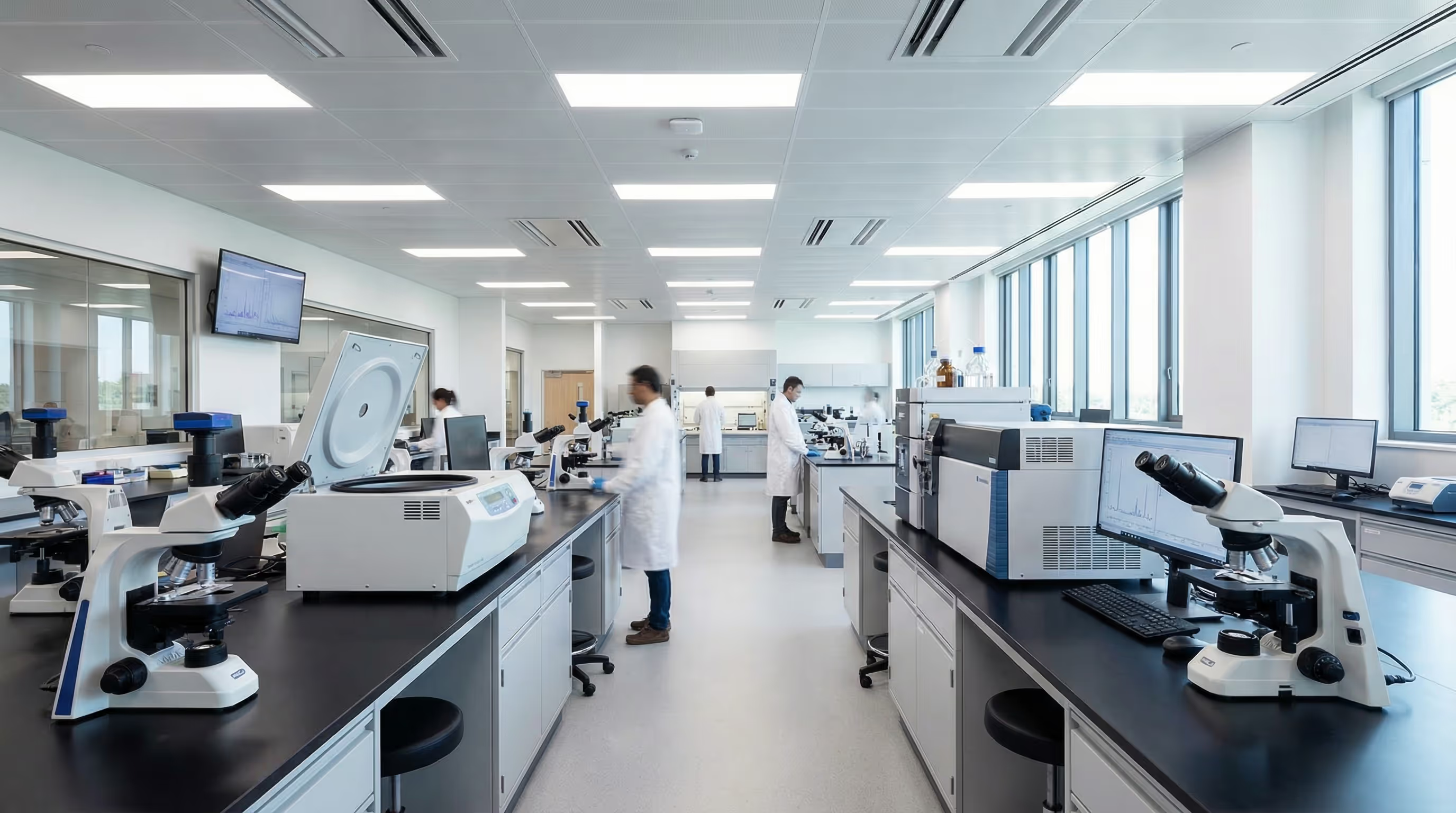
modern laboratory with various scientific equipment including microscopes, centrifuges, and analytical instruments arranged on benches with proper lighting

If your lab owns high-value instruments, an outdated or undocumented value can put you at serious risk. Whether you're filing an insurance claim, preparing for an audit, or planning to sell equipment, having accurate valuations is crucial. Laboratory equipment appraisal is the formal process of determining a defensible value for your instruments based on their condition, market data, and accepted valuation standards.

Lab owners, universities, hospitals, and biotech companies rely on professional appraisals to document fair market value, support insurance coverage, and guide buying or selling decisions. USPAP-compliant appraisals from qualified professionals are accepted by major insurers, courts, and tax authorities, giving you the documentation you need when it matters most.

Key Insight: Laboratory equipment can depreciate 15-25% annually, making regular appraisals essential for accurate insurance coverage and financial reporting.

What is laboratory equipment appraisal and when do you need it

Laboratory equipment appraisal involves assessing the commercial value of scientific instruments using established valuation methods. A qualified appraiser examines factors like equipment condition, age, manufacturer reputation, and current market demand to determine fair market value, replacement cost, or liquidation value depending on your needs.

You'll typically need an appraisal when filing insurance claims for damaged equipment, preparing financial statements that require asset valuations, or during mergers and acquisitions where accurate equipment values affect deal terms. Many organizations also get appraisals before major equipment purchases to establish baseline values for future reference.

Universities and research institutions often require appraisals for grant applications, while private labs need them for loan applications or when selling facilities. The key is getting your appraisal before you actually need it, since rushed appraisals can be more expensive and may not meet specific requirements. For more guidance on timing, see our article on when to hire a professional for laboratory equipment appraisal.

professional appraiser in lab coat examining a large analytical instrument with clipboard and measuring tools

Understanding laboratory equipment valuation methods and factors

Appraisers use three main valuation approaches depending on your situation. Fair market value represents what a willing buyer would pay a willing seller in an open market, commonly used for insurance and financial reporting. Replacement cost new shows what you'd pay to buy equivalent new equipment today, while liquidation value estimates what equipment would sell for in a forced sale scenario.

The appraiser considers equipment condition as the primary factor, examining calibration records, maintenance history, and physical wear. Age matters significantly since technology advances quickly in laboratory settings, making older instruments less valuable even if they function properly. Market demand varies by equipment type, with some specialized instruments holding value better than others.

Valuation MethodBest Used ForTypical Value RangeFair Market ValueInsurance, Financial Reporting40-70% of new costReplacement Cost NewInsurance Coverage Planning100-120% of original costLiquidation ValueAsset Sales, Bankruptcy10-30% of new cost

Manufacturer reputation affects value substantially. Equipment from established companies like Thermo Fisher, Agilent, or Waters typically retains value better than lesser-known brands. Installation complexity and portability also matter, since equipment requiring specialized installation or calibration may have limited resale markets. To better understand how these factors influence your specific equipment, read our comprehensive guide on understanding the value of laboratory equipment.

Important Note: Equipment modifications or custom configurations can significantly impact value, either positively for specialized applications or negatively if they limit broader market appeal.

Step-by-step laboratory equipment appraisal process

The appraisal process begins with defining the scope and purpose of your valuation. You'll work with the appraiser to identify which equipment needs evaluation, the required valuation standard, and your timeline. This initial consultation helps ensure the final report meets your specific requirements whether for insurance, tax, or transaction purposes.

Next comes data collection where you'll provide equipment lists, purchase records, maintenance logs, and any previous appraisals. The appraiser reviews this documentation to understand your equipment's history and current status. Having organized records speeds up this phase and can reduce overall costs.

The inspection phase involves either onsite visits or virtual assessments depending on equipment complexity and location. The appraiser examines each item's physical condition, checks serial numbers, and documents any modifications or damage. For complex installations, this may require multiple visits or coordination with your technical staff.

Market research follows, where the appraiser analyzes comparable sales, current pricing for similar equipment, and industry trends affecting values. This research phase ensures your appraisal reflects current market conditions rather than outdated assumptions.

Finally, the appraiser drafts a comprehensive report documenting their findings, methodology, and conclusions. Quality appraisal firms include detailed photos, equipment specifications, and market analysis to support their valuations. The completed report typically arrives within 5-10 business days after the inspection. For a detailed walkthrough, check out understanding the process of lab equipment appraisal.

split screen showing appraiser taking notes during equipment inspection on left and professional appraisal report document on computer screen on right

Appraisal costs, timeline, and what to prepare

Laboratory equipment appraisal costs typically range from $150 to $500 per item for standard instruments, with complex or specialized equipment potentially costing more. The total fee depends on several factors including the number of items, their complexity, geographic location, and required turnaround time. Bulk appraisals often receive volume discounts, making it more cost-effective to appraise multiple items together.

Timeline expectations vary based on scope and complexity. Simple appraisals of common equipment may be completed within one week, while comprehensive facility appraisals can take 2-4 weeks. Rush jobs are possible but typically cost 25-50% more than standard timelines.

To prepare for your appraisal, gather complete equipment inventories with model numbers and serial numbers. Collect purchase invoices, lease agreements, and warranty information when available. Maintenance and calibration records help demonstrate equipment condition and care. Previous appraisals provide valuable baseline information, while clear photos of equipment and installation setups can expedite the process. For a complete preparation checklist, see our guide on how to prepare for a lab equipment appraisal.

Pro Tip: Organizing your documentation before contacting an appraiser can reduce costs by 10-20% since less time is needed for information gathering.

Ensure equipment is accessible during scheduled inspections and designate a knowledgeable staff member to answer technical questions. For facilities with multiple locations, coordinate access and consider whether remote appraisals are acceptable for your intended use.

Having a clear understanding of your appraisal's purpose helps the appraiser recommend the most appropriate valuation method and report format. Different uses may require different approaches, so communicate your specific needs upfront to avoid delays or additional costs. Learn more about choosing the right appraiser for laboratory equipment appraisal to ensure you select a qualified professional.

The investment in professional laboratory equipment appraisal pays dividends through accurate insurance coverage, defensible financial reporting, and informed business decisions. Whether you're managing a single research lab or overseeing multiple facilities, regular appraisals protect your organization's interests and provide the documentation you need when facing audits, claims, or transactions. Discover more about the benefits of having an accurate lab equipment appraisal to maximize your investment protection.

Laboratory Equipment Appraisal FAQs

How much does laboratory equipment appraisal cost?

Laboratory equipment appraisal costs typically range from $150 to $500 per item for standard instruments, with complex or specialized equipment potentially costing more. The total fee depends on factors including the number of items, their complexity, geographic location, and required turnaround time. Bulk appraisals often receive volume discounts, making it more cost-effective to appraise multiple items together.

What factors affect the value of laboratory equipment?

Equipment condition is the primary factor, including calibration records, maintenance history, and physical wear. Age matters significantly since technology advances quickly in laboratory settings. Market demand varies by equipment type, with some specialized instruments holding value better than others. Manufacturer reputation also affects value substantially, with equipment from established companies like Thermo Fisher, Agilent, or Waters typically retaining value better than lesser-known brands.

How long does a laboratory equipment appraisal take?

Timeline expectations vary based on scope and complexity. Simple appraisals of common equipment may be completed within one week, while comprehensive facility appraisals can take 2-4 weeks. Rush jobs are possible but typically cost 25-50% more than standard timelines. The completed report typically arrives within 5-10 business days after the inspection phase is complete.

What is the difference between fair market value and liquidation value for lab equipment?

Fair market value represents what a willing buyer would pay a willing seller in an open market, commonly used for insurance and financial reporting, typically ranging 40-70% of new cost. Liquidation value estimates what equipment would sell for in a forced sale scenario, usually ranging 10-30% of new cost. The choice between valuation methods depends on your specific purpose and circumstances.

Related Appraisals We Offer

Related Articles

BEST-IN-CLASS APPRAISERS, CREDENTIALED BY: