Lab Equipment Appraisal Process: Complete Step-by-Step Guide for 2025

Last Updated on Jul 26, 2025
Originally Published on Jul 26, 2025
Thank you! Your submission has been received!
Oops! Something went wrong while submitting the form.
Nationwide Service
Onsite or Online
USPAP-Compliant
IRS Qualified
DEFENSIBLE, USPAP-COMPLIANT APPRAISAL REPORTS — ACCEPTED BY 10,000+ ORGANIZATIONS
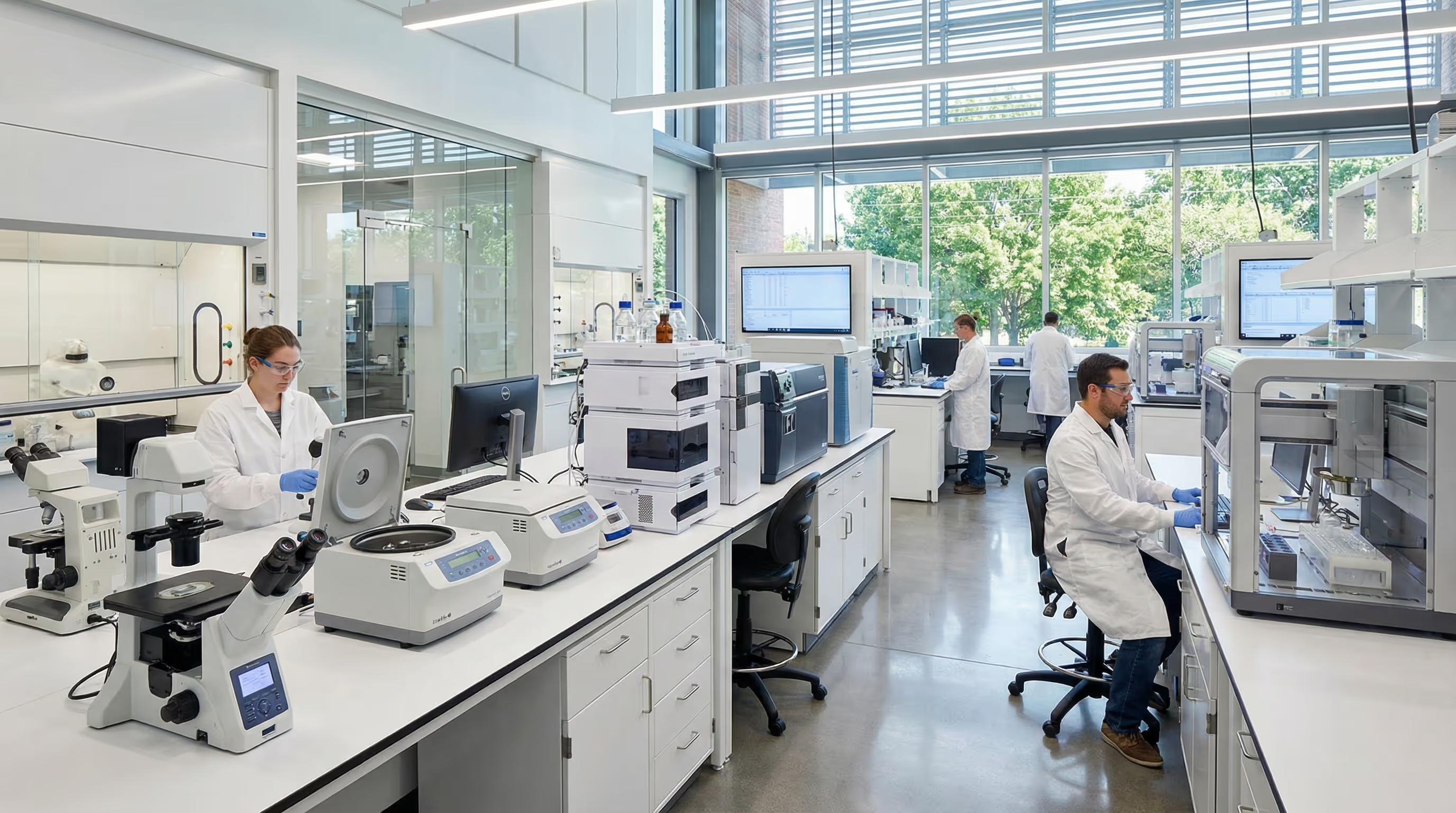
Modern laboratory with various scientific equipment including microscopes, centrifuges, and analytical instruments arranged on clean white benches

If you're managing a laboratory, research facility, or healthcare organization, you've likely wondered what happens during a lab equipment appraisal. Whether you need one for insurance coverage, loan collateral, merger and acquisition activities, or financial reporting, understanding the process helps you prepare effectively and get the most accurate results.

A lab equipment appraisal is a professional assessment that determines the fair market value of specialized laboratory instruments and equipment. The process typically takes 1-3 weeks and involves document collection, physical inspection, market research, and detailed reporting. Most appraisals are conducted by certified professionals following USPAP standards and are accepted by insurers, lenders, and the IRS.

Quick Fact: Lab equipment appraisals are required for insurance claims over $5,000, SBA loans using equipment as collateral, and IRS charitable donations exceeding $5,000 in value.

This guide walks you through each stage of the appraisal process, from your initial inquiry to receiving the final report, so you know exactly what to expect and how to prepare your team.

Understanding when you need a lab equipment appraisal

Lab equipment appraisals aren't always legally required, but they're essential in specific situations that affect your organization's financial health and compliance. Insurance companies typically require appraisals for coverage on equipment valued over $25,000 or when filing claims exceeding $5,000. Banks and lenders need them when lab equipment serves as loan collateral, especially for SBA loans or equipment financing.

Business meeting with professionals reviewing documents and laboratory equipment in background

Mergers and acquisitions represent another common scenario where accurate equipment valuations become critical for deal negotiations and due diligence. If your organization donates lab equipment to qualified charities, the IRS requires professional appraisals for donations valued over $5,000. Financial reporting under GAAP or GASB standards may also trigger appraisal requirements, particularly for asset impairment testing or fair value measurements.

Estate planning situations often require appraisals when lab equipment is part of an inheritance or business succession plan. Understanding these triggers helps you plan ahead and budget appropriately for professional valuation services.

How appraisers determine lab equipment value

Professional appraisers use three primary approaches to value lab equipment, often combining methods for the most accurate assessment. The cost approach considers what it would cost to replace the equipment with similar functionality, accounting for physical deterioration, functional obsolescence, and economic obsolescence.

The market approach analyzes recent sales of comparable equipment, adjusting for differences in age, condition, and features. This method works well for commonly traded instruments like basic microscopes or standard centrifuges. The income approach, less common for lab equipment, estimates value based on the economic benefit the equipment generates.

Valuation ApproachBest Used ForKey ConsiderationsCost ApproachSpecialized/newer equipmentReplacement cost minus depreciationMarket ApproachCommon instrumentsRecent comparable sales dataIncome ApproachRevenue-generating equipmentCash flow and economic benefit

Several factors significantly impact equipment value. Age and condition are primary drivers, but calibration history, maintenance records, and remaining useful life also matter greatly. Market demand for specific technologies, manufacturer reputation, and availability of replacement parts all influence final valuations.

Important Note: Equipment that's been well-maintained with complete calibration records typically appraises 15-25% higher than similar equipment without proper documentation.

The six-step appraisal process explained

Step 1: Initial consultation and scope definition begins when you contact an appraiser. You'll discuss the purpose of your appraisal, which equipment needs evaluation, and your timeline. The appraiser will explain different value standards like fair market value versus liquidation value and help you choose the appropriate approach for your needs.

Step 2: Engagement and document collection involves signing an engagement letter and gathering relevant paperwork. You'll need purchase invoices, maintenance logs, calibration certificates, warranty information, and any existing asset lists. High-quality photos of each piece of equipment can expedite the process if onsite inspection isn't immediately possible.

Step 3: Physical inspection is where the appraiser examines your equipment firsthand. They'll verify serial numbers, assess physical condition, test basic functionality where appropriate, and document the operating environment. This step typically takes 2-6 hours depending on the quantity and complexity of equipment being appraised.

Professional appraiser in lab coat examining scientific equipment with clipboard and measuring tools

Step 4: Market research and analysis happens after the inspection. The appraiser researches comparable sales, replacement costs, and current market conditions for your specific equipment types. They'll also consider technological obsolescence and industry trends that might affect value.

Step 5: Valuation and report preparation involves applying the chosen valuation approaches and reconciling to a final opinion of value. The appraiser prepares a comprehensive report documenting their methodology, findings, and conclusions. Quality control reviews ensure accuracy and compliance with professional standards.

Step 6: Delivery and follow-up concludes the process. You'll receive the final report, typically in both digital and hard copy formats. Most appraisers offer a brief consultation to explain their findings and answer questions about using the appraisal for your intended purpose.

Timeline, costs, and preparation essentials

Lab equipment appraisals typically take 1-3 weeks from engagement to final report delivery. Simple appraisals involving 5-10 pieces of common equipment might be completed in one week, while complex multi-site evaluations can take a month or more. Rush jobs are possible but usually carry premium pricing.

Several factors affect both timeline and cost. The number of equipment pieces, complexity of instruments, number of locations, quality of available documentation, and required turnaround time all influence project scope. Desktop appraisals based solely on documentation and photos cost less but may not meet all lender or insurer requirements.

Cost-Saving Tip: Having complete documentation organized before the appraiser arrives can reduce project time by 20-30% and lower your overall costs.

To prepare effectively, create a detailed equipment list including manufacturer, model, serial number, year of purchase, and current condition. Gather all relevant documents including purchase receipts, service records, calibration certificates, and warranties. Ensure your team knows when the appraiser will visit and designate a knowledgeable staff member to provide access and answer questions.

Consider any security or safety requirements the appraiser needs to know about, such as background check requirements or special protective equipment. If equipment is located in multiple buildings or sites, coordinate access and provide clear directions to save time during the inspection phase. For more guidance on preparation, review our checklist for preparing your equipment for appraisal.

The final appraisal report provides a defensible opinion of value that meets professional standards and regulatory requirements. Most reports include detailed equipment descriptions, photographs, methodology explanations, and concluded values for each item. These reports are designed to withstand scrutiny from auditors, insurance adjusters, lenders, and tax authorities.

Understanding the lab equipment appraisal process helps you make informed decisions about when you need professional valuation services and how to prepare effectively. Whether you're securing insurance coverage, pursuing financing, or planning for organizational changes, a well-executed appraisal provides the documentation and credibility you need for successful outcomes. When you're ready to move forward, having your equipment list and supporting documents organized will ensure a smooth and efficient appraisal experience.

Before proceeding with your appraisal, it's helpful to understand common mistakes to avoid during lab equipment appraisal and to familiarize yourself with essential tips for getting an accurate lab equipment appraisal. Additionally, knowing how to choose the right appraiser for laboratory equipment appraisal can make a significant difference in the quality and reliability of your final valuation report. For those seeking to maximize their equipment's appraised value, explore our guide on ways to maximize the value of your lab equipment appraisal.

Frequently Asked Questions About Lab Equipment Appraisals

What is a lab equipment appraisal and why do I need one?

A lab equipment appraisal is a professional assessment that determines the fair market value of specialized laboratory instruments and equipment. You need one for insurance coverage on equipment valued over $25,000, loan collateral (especially SBA loans), IRS charitable donations exceeding $5,000, mergers and acquisitions, and financial reporting under GAAP or GASB standards. The appraisal provides a defensible, documented opinion of value that's accepted by insurers, lenders, and the IRS.

How long does a lab equipment appraisal take to complete?

Lab equipment appraisals typically take 1-3 weeks from engagement to final report delivery. Simple appraisals involving 5-10 pieces of common equipment might be completed in one week, while complex multi-site evaluations can take a month or more. The timeline depends on the number of equipment pieces, complexity of instruments, number of locations, quality of available documentation, and required turnaround time.

What documents and information do I need to prepare for the appraisal?

You should gather purchase invoices, maintenance logs, calibration certificates, warranty information, equipment lists with serial and model numbers, service contracts, lease agreements, and any existing asset lists. High-quality photos of each piece of equipment can also expedite the process. Having complete documentation organized before the appraiser arrives can reduce project time by 20-30% and lower your overall costs.

How do appraisers determine the value of lab equipment?

Professional appraisers use three primary approaches: the cost approach (replacement cost minus depreciation), the market approach (analyzing recent sales of comparable equipment), and the income approach (estimating value based on economic benefit). They consider factors like age, condition, calibration history, maintenance records, remaining useful life, market demand, manufacturer reputation, and availability of replacement parts. Equipment with complete calibration records typically appraises 15-25% higher than similar equipment without proper documentation.

Related Appraisals We Offer

Related Articles

BEST-IN-CLASS APPRAISERS, CREDENTIALED BY: