Lab Equipment Appraisal: How to Choose a Qualified, Defensible Appraiser

Last Updated on Aug 27, 2025
Originally Published on Aug 27, 2025
Thank you! Your submission has been received!
Oops! Something went wrong while submitting the form.
Nationwide Service
Onsite or Online
USPAP-Compliant
IRS Qualified
DEFENSIBLE, USPAP-COMPLIANT APPRAISAL REPORTS — ACCEPTED BY 10,000+ ORGANIZATIONS
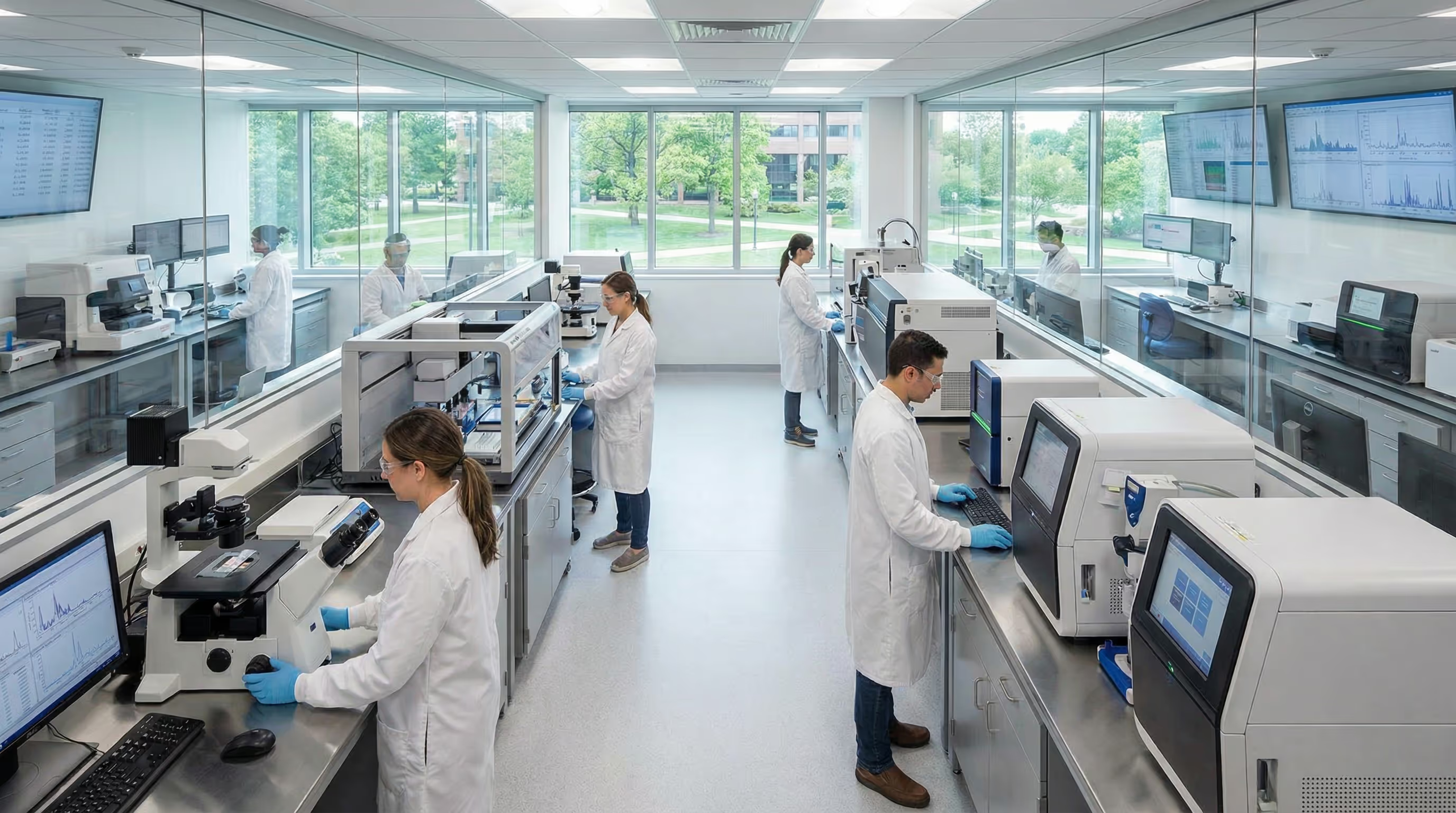
modern laboratory with various scientific equipment including microscopes, analyzers, and testing instruments

When your lab faces an insurance audit, equipment financing decision, or merger evaluation, the difference between a qualified appraiser and an unqualified one can cost you thousands of dollars. Using the wrong appraiser can lead to claim denials, tax complications, or significant under-valuation of your assets during critical business decisions.

This guide provides a practical, step-by-step approach to understanding lab equipment appraisal and choosing a USPAP-compliant appraiser who delivers defensible valuations. AppraiseItNow offers nationwide service with IRS-qualified appraisers accepted by over 10,000 organizations, ensuring your lab equipment valuations meet the highest professional standards.

Key insight: A proper lab equipment appraisal determines fair market value based on current condition, market comparables, and specialized functionality rather than simple depreciation schedules.

What lab equipment appraisals include and why labs need them

A lab equipment appraisal establishes the fair market value of laboratory instruments, furniture, and supporting technology through systematic evaluation of condition, functionality, and current market conditions. Unlike basic depreciation calculations, professional appraisals consider specialized features, calibration status, and replacement availability that directly impact value.

Labs typically need appraisals for insurance coverage verification, equipment financing applications, merger and acquisition due diligence, tax compliance, and litigation support. Medical diagnostic labs, pharmaceutical research facilities, university laboratories, and quality assurance testing centers all benefit from regular equipment valuations.

The appraisal process examines analytical instruments, imaging equipment, biosafety cabinets, automation systems, laboratory furniture, computers, and specialized software. Each category requires different valuation approaches based on technology lifecycle, regulatory requirements, and market demand patterns.

Key benefits of professional lab equipment appraisals

insurance claim documents and laboratory equipment in background

Insurance coverage and claims support represents the most common reason labs seek professional appraisals. Accurate valuations ensure adequate coverage limits and provide documented proof of value during claim settlements. Without proper documentation, insurers often apply generic depreciation schedules that significantly undervalue specialized laboratory equipment.

Financial reporting and lending applications require defensible asset valuations for balance sheet accuracy and loan collateral verification. Banks and investors rely on USPAP-compliant appraisals to assess risk and determine appropriate lending terms for equipment purchases or business expansions.

Equipment lifecycle management becomes more strategic with regular appraisals that identify optimal replacement timing, trade-in values, and upgrade opportunities. Labs can make data-driven decisions about maintaining older equipment versus investing in newer technology based on current market conditions.

Important note: Generic equipment valuations often miss 20-40% of specialized lab equipment value due to unique features, calibration requirements, and regulatory compliance factors.

Understanding the lab equipment appraisal process

The appraisal process begins with an initial consultation where you discuss scope, timeline, and specific requirements with the appraiser. This conversation establishes whether you need a desktop review, limited-scope inspection, or comprehensive onsite evaluation based on your intended use and budget constraints.

Data collection and inspection involves gathering equipment lists, purchase records, maintenance histories, and calibration certificates. For onsite appraisals, the appraiser physically examines each item, tests functionality where appropriate, and photographs equipment for documentation purposes.

Market research and analysis follows inspection, where the appraiser researches comparable sales, replacement costs, and current market conditions for similar equipment. This research considers factors like manufacturer reputation, model obsolescence, parts availability, and technological advances affecting value.

Report preparation and delivery produces a comprehensive document detailing methodology, market analysis, and final value conclusions. Professional reports include equipment descriptions, condition assessments, comparable sales data, and supporting photographs that meet USPAP standards for defensibility. Understanding what to expect during a lab equipment appraisal helps you prepare adequately for the process.

How to choose the right lab equipment appraiser

professional appraiser examining laboratory equipment with clipboard and measuring tools

Credentials and certifications should include membership in recognized appraisal organizations like the American Society of Appraisers (ASA), International Society of Appraisers (ISA), or American Machinery and Equipment Appraisers (AMEA). These organizations require continuing education, peer review, and adherence to professional standards.

Lab-specific experience matters significantly because laboratory equipment requires specialized knowledge of scientific instruments, regulatory requirements, and market dynamics. Ask potential appraisers about their experience with your specific equipment types and industry sector.

Before hiring an appraiser, ask about their methodology for handling specialized equipment, request sample reports for review, and verify their insurance coverage and professional liability protection. Qualified appraisers should readily provide references from similar clients and explain their approach to USPAP compliance. For more guidance, review our guidelines for selecting a professional appraiser for lab equipment.

CredentialFocus AreaWhy It Matters for LabsASA (American Society of Appraisers)Machinery & EquipmentRigorous testing, peer review, continuing education requirementsISA (International Society of Appraisers)Personal Property & EquipmentGlobal standards, specialized equipment expertiseAMEA (American Machinery & Equipment Appraisers)Industrial EquipmentFocus on technical equipment, manufacturing processes

Pro tip: Always request to see sample reports before hiring an appraiser to ensure their documentation style meets your specific compliance requirements.

Professional lab equipment appraisals provide essential documentation for insurance, financing, and business decisions while ensuring compliance with industry standards. The key to success lies in selecting qualified appraisers with relevant credentials, lab-specific experience, and proven track records of delivering defensible valuations.

To avoid costly errors, familiarize yourself with common mistakes to avoid during lab equipment appraisal and ensure you're properly prepared for the appraisal process.

AppraiseItNow specializes in comprehensive lab equipment appraisals with nationwide coverage, USPAP-compliant methodology, and acceptance by major insurers, courts, and financial institutions. Contact our certified appraisers today to discuss your specific valuation needs and receive a detailed project proposal.

FAQ

What credentials should a lab equipment appraiser have?

A qualified lab equipment appraiser should hold recognized professional designations such as ASA (American Society of Appraisers), AMEA (American Machinery and Equipment Appraisers), or ISA (International Society of Appraisers). Most importantly, they must be USPAP-compliant and have specific experience with laboratory instruments. For IRS-related purposes like charitable donations or estate planning, ensure the appraiser meets IRS qualified appraiser requirements.

How much does a lab equipment appraisal cost?

Lab equipment appraisal costs typically range from a few hundred dollars for single instruments to several thousand dollars for comprehensive laboratory evaluations. Pricing depends on the number of assets, equipment complexity, whether on-site inspection is required, geographic location, and the level of detail needed in the report. Most professional appraisers provide written estimates outlining their fee structure and any additional costs for travel or expedited service.

Can lab equipment be appraised remotely without an on-site visit?

Yes, many lab equipment appraisals can be conducted remotely using detailed photographs, equipment documentation, and video conferencing. However, on-site inspections are recommended for high-value equipment, complex laboratory setups, or when the appraisal is for litigation or insurance claims. Remote appraisals work best when you have complete equipment records, clear photos, and the ability to provide detailed condition information.

How long does a lab equipment appraisal typically take?

Most lab equipment appraisals are completed within 1-2 weeks from the time all necessary information is provided. Simple single-instrument appraisals may take just a few business days, while large or multi-location laboratories can require several weeks. The timeline depends on the size of your equipment inventory, accessibility for inspection, completeness of documentation, and the complexity of market research required for specialized instruments.

Related Appraisals We Offer

Related Articles

BEST-IN-CLASS APPRAISERS, CREDENTIALED BY: