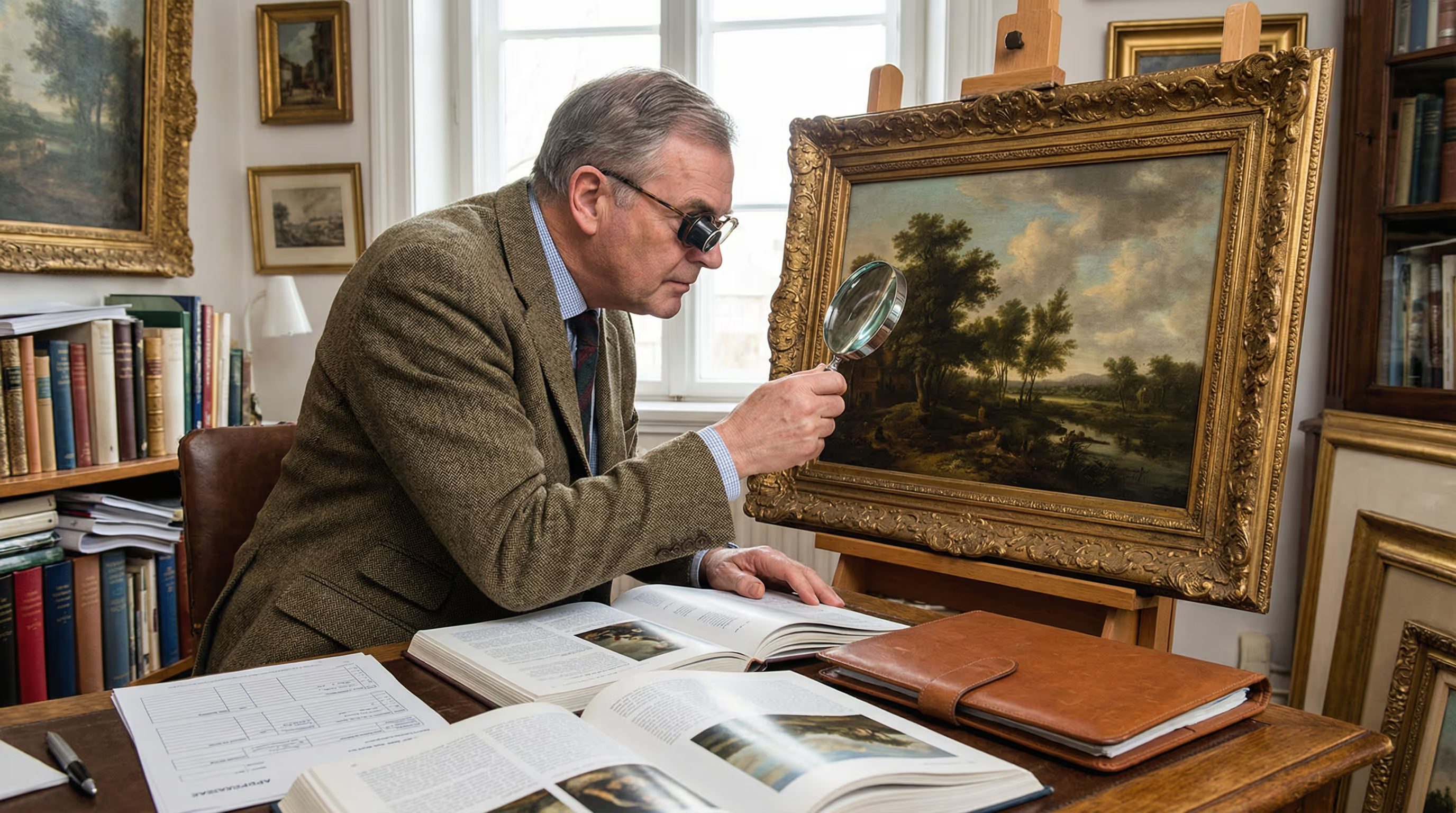
Professional appraisers maintain detailed photographic records and written descriptions of examined pieces. These records become part of the permanent appraisal file and support the value conclusions reached through their analysis.
Understanding what appraisers examine when valuing antique artwork helps you prepare for the process and appreciate the complexity involved in accurate valuations. Professional appraisers combine technical expertise, market knowledge, and research skills to provide reliable value opinions that serve your specific needs. Whether for insurance coverage, estate planning, or sale decisions, working with qualified appraisers ensures you receive accurate assessments based on current market conditions and established professional standards. For those considering selling or insuring their pieces, understanding the benefits of professional appraisals for antique artwork becomes essential to protecting your investment.
Appraisers examine seven primary factors: provenance (ownership history), physical condition, artist reputation and attribution, authenticity verification, rarity, age and materials used, and current market demand. Provenance documentation and condition assessment typically have the greatest impact on value, as they establish legitimacy and preservation quality.
Authentication involves examining brushstrokes, signature styles, and artistic techniques under various lighting conditions including UV light. Appraisers analyze materials to ensure they match the supposed time period, research provenance documentation, and compare the work to known pieces by the attributed artist. Scientific analysis may be used when questions arise about authenticity.
Gather all available documentation including purchase receipts, previous appraisal reports, exhibition catalogs, insurance records, certificates of authenticity, and any gallery or auction house documentation. Take high-quality photographs from multiple angles and document the piece's dimensions. Complete records help appraisers provide more accurate valuations and may reduce research time and costs.
Physical condition directly impacts market value, with even minor issues potentially reducing value by 20-50%. Pieces in original condition hold the highest value, while professional restoration may have moderate impact. Amateur repairs or poor storage damage can significantly decrease worth. Appraisers assess cracks, fading, previous restoration work, and frame condition as part of their comprehensive evaluation.